Why a Leather Jacket Investment is One of the Smartest Fashion Choices You Can Make
Introduction: More Than Just a Jacket
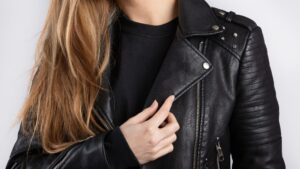
Picture this: you slip on a jacket, and suddenly, you feel different. More confident. More capable. Maybe even a little rebellious. That’s the unique power of a leather jacket. It’s not merely an item of clothing; it’s an attitude, a piece of history, and quite possibly, one of the smartest additions you can make to your wardrobe. Making a Leather Jacket Investment goes far beyond just buying another piece of outerwear; it’s about acquiring a companion that will journey with you for years, potentially even decades.
For generations, the leather jacket has been an icon of cool. Think Marlon Brando, James Dean, the Ramones, Amelia Earhart. It transcends fleeting trends, offering a timeless appeal that few other garments can match. But its value isn’t just skin-deep. A well-made leather jacket boasts incredible durability, often looking better as it ages, developing a unique patina that tells your story.
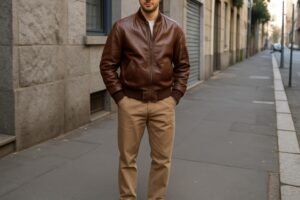
Furthermore, its versatility is legendary. Dress it up, dress it down – a leather jacket seamlessly adapts. It adds an edge to a simple t-shirt and jeans, brings sophistication to a casual dress, and provides a rugged counterpoint to smarter attire. This adaptability significantly lowers its cost per wear over time, making the initial price tag seem much more reasonable.
Therefore, this post aims to delve deep into why a leather jacket investment is truly worth considering. We’ll explore its enduring style, unmatched toughness, surprising versatility, and the tangible long-term value it offers. If you’ve ever wondered whether spending a bit more on quality leather is justified, read on. You might just discover your next favorite wardrobe staple.
Understanding the True Value: Why a Leather Jacket Investment Makes Sense
So, what truly elevates a leather jacket from a simple purchase to a genuine leather jacket investment? It boils down to a powerful combination of factors that few other garments can replicate. Specifically, we’re talking about its enduring style, remarkable toughness, and incredible adaptability. Let’s break down why these elements make it such a worthwhile addition to any wardrobe.
Beyond Trends: The Enduring Appeal of a Leather Jacket Investment
Fashion is notoriously fickle. Trends come and go with dizzying speed. However, amidst this constant change, the leather jacket remains a steadfast anchor of style. Its appeal isn’t tied to a specific season or fleeting fad; instead, it possesses an inherent coolness that has resonated for over a century. This makes a leather jacket investment a choice for longevity, not just a season.
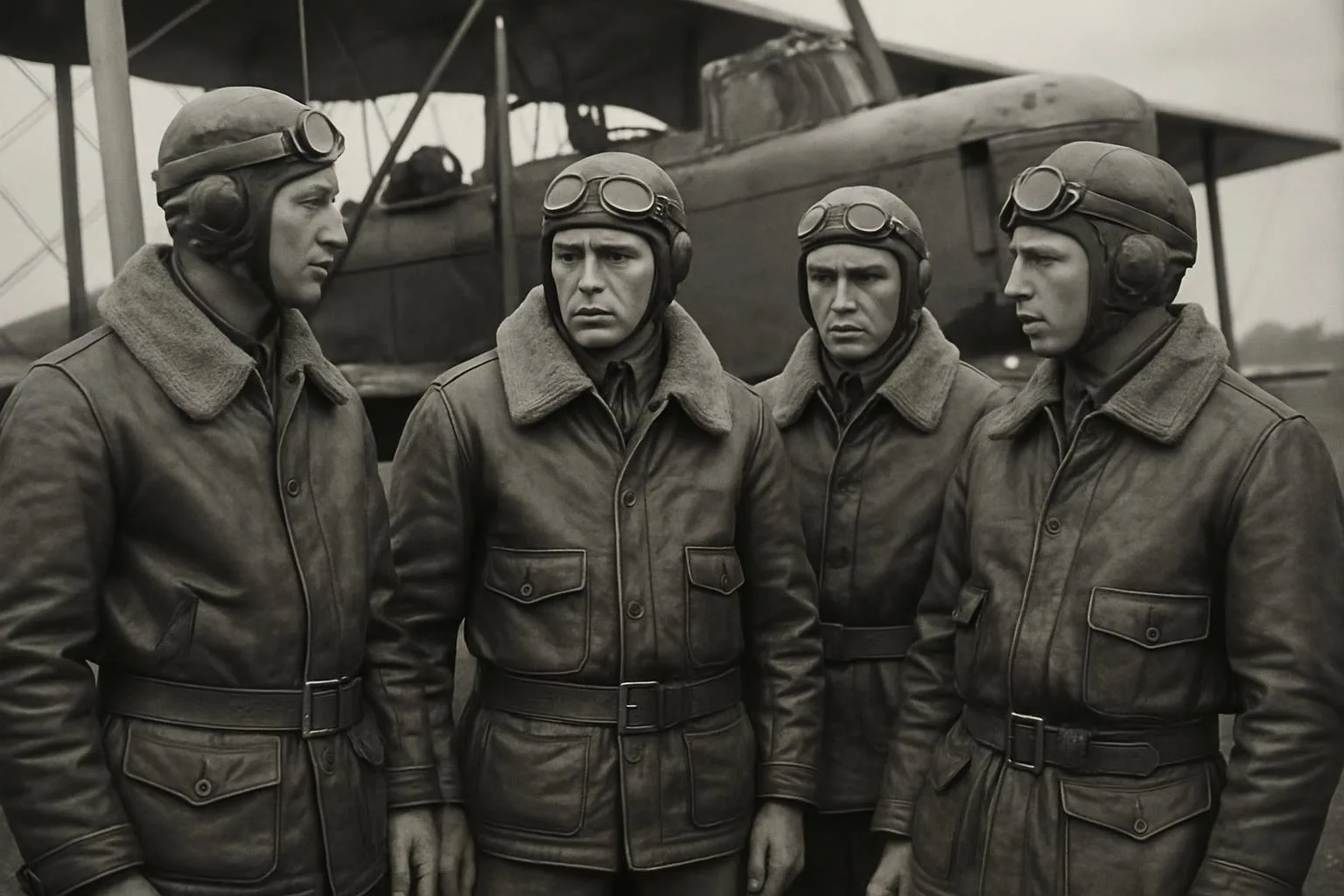
Consider its origins. Early leather jackets, like the flight jackets worn by aviators in the early 1900s, were born from necessity. They needed to be warm, protective, and durable. Consequently, this functional design laid the groundwork for an item built to last, both physically and stylistically.
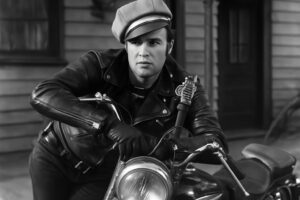
Then came Hollywood. Icons like Marlon Brando in “The Wild One” (1953) cemented the leather jacket, specifically the Schott Perfecto model, as a symbol of rebellion and effortless cool. James Dean further amplified this image. As a result, the jacket became synonymous with a certain anti-establishment attitude, a vibe that continues to echo today.
But its appeal isn’t limited to rebels. Musicians, from rock stars like the Ramones to pop icons, adopted it. Fashion designers continually reinterpret it. Consequently, it remains relevant across diverse subcultures and style preferences. It’s a timeless fashion piece that refuses to be pigeonholed.
Investing in a leather jacket means buying into this legacy. You’re not just getting fabric and stitching; you’re acquiring a piece of cultural history. Moreover, unlike that trendy item that might feel dated next year, your leather jacket investment will likely look just as relevant, if not more characterful, a decade from now.
Built to Last: The Unmatched Durability of Leather
Another crucial factor making a leather jacket investment so sound is its sheer toughness. Leather is, fundamentally, skin. It’s a natural material designed by nature to protect. Therefore, when properly tanned and crafted, it becomes an exceptionally durable outerwear option.
Think about other common jacket materials. Denim is sturdy, certainly, but can wear thin or tear, especially at stress points like elbows and cuffs. Synthetic materials might offer water resistance but often lack breathability and can degrade, peel, or crack over time, particularly lower-quality faux leathers.
High-quality leather, conversely, is incredibly resilient. It resists punctures, tears, and abrasions far better than most textiles. While it requires care (which we’ll discuss later), it’s fundamentally built for the long haul. Many people own and wear leather jackets passed down through generations – a testament to their longevity.
Furthermore, leather possesses a unique quality: it ages beautifully. Unlike synthetic materials that often look worse with wear, leather develops a patina. This subtle sheen, combined with the softening of the material and the unique creases and marks acquired through use, adds character. Your jacket doesn’t just get old; it evolves and tells the story of your adventures.
This inherent durability directly impacts its value as an investment. A jacket that lasts for 10, 20, or even more years offers significantly more utility than one needing replacement every few seasons. It withstands daily wear and tear, making it a practical choice, not just a stylish one.
The Versatility Factor: One Jacket, Countless Looks
Finally, let’s talk versatility. A key reason a leather jacket investment pays dividends is its incredible ability to adapt to different styles and occasions. It’s a true versatile wardrobe staple, capable of transforming an outfit instantly.
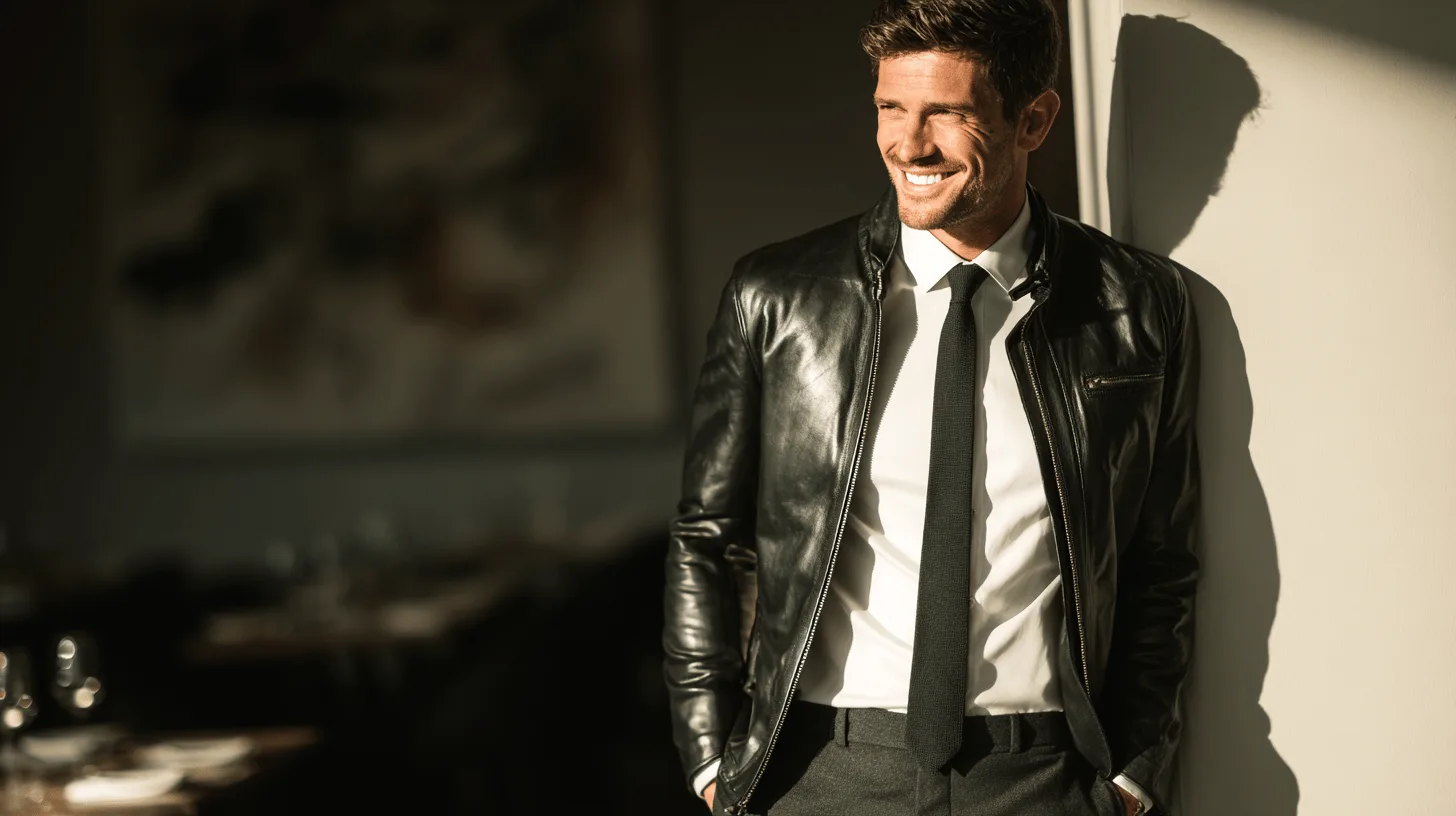
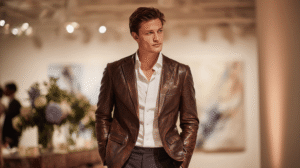
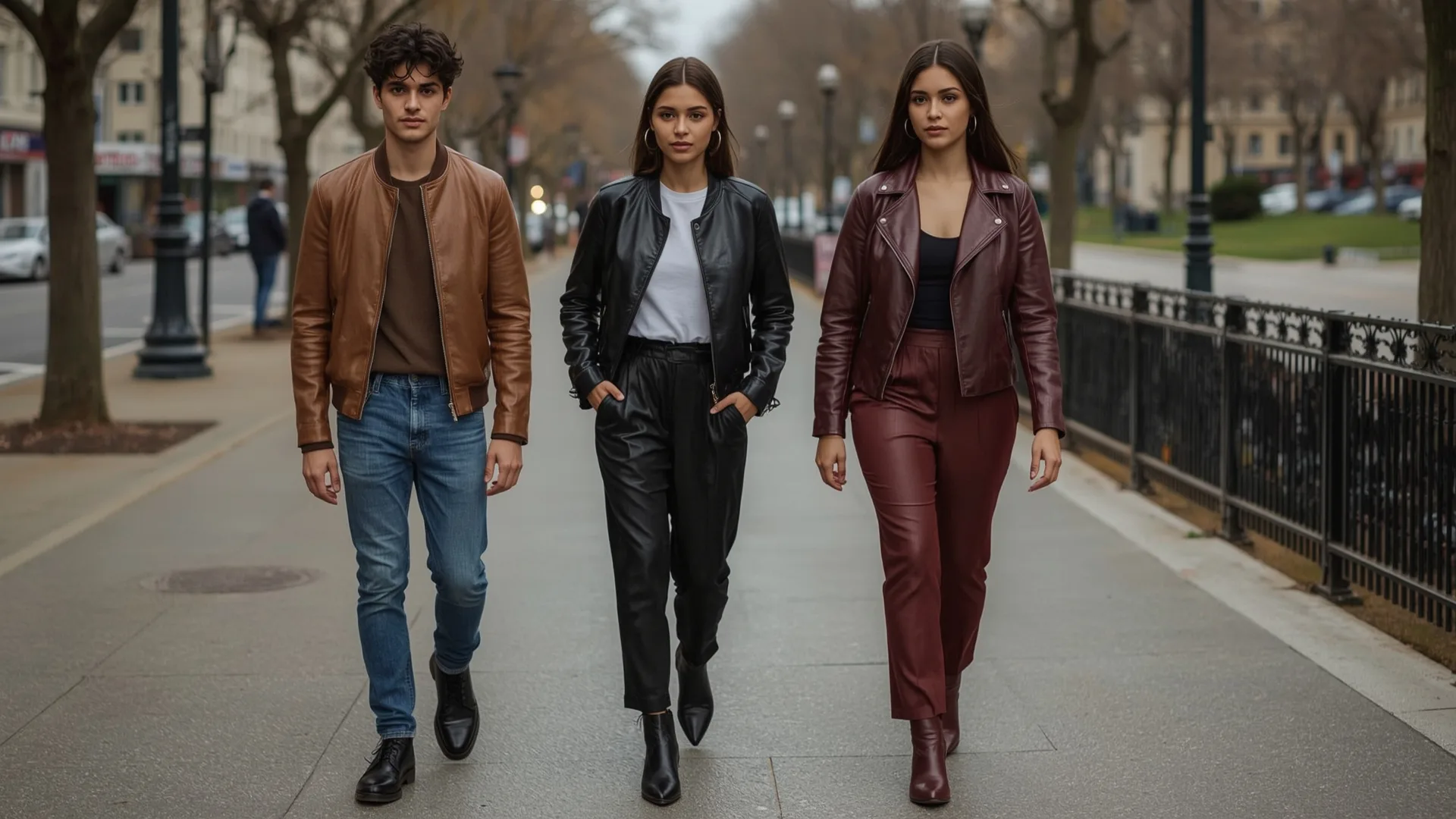
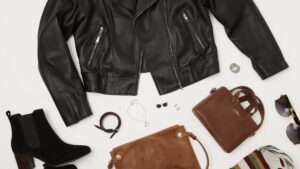
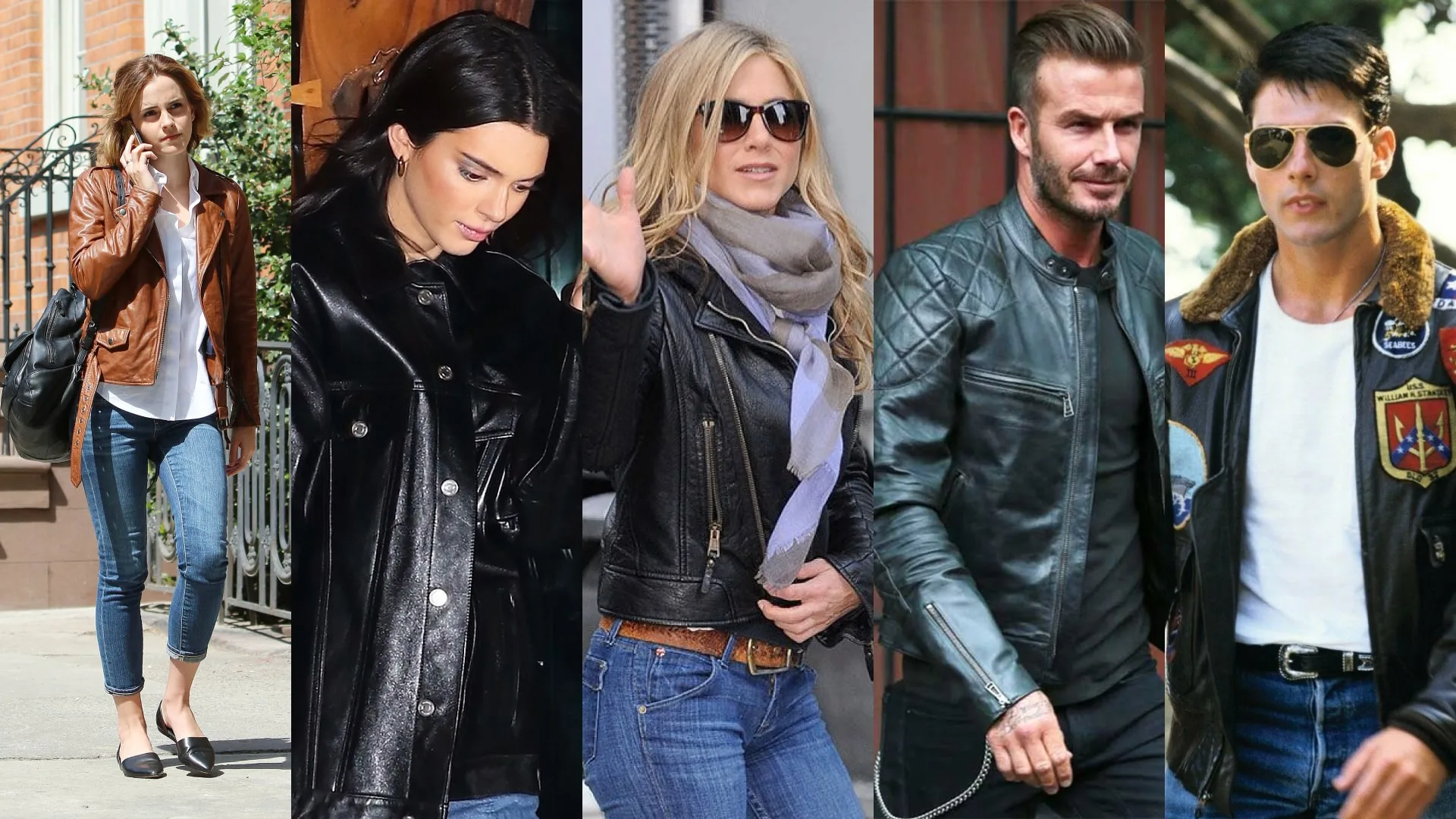
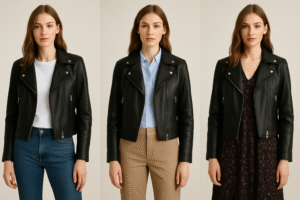
Consider the possibilities. Throw it over a simple white t-shirt and jeans? Instantly cooler, adding a touch of edge. Pair it with a floral dress? It provides a perfect contrast, toughening up a feminine look. Need something for a smart-casual event? A well-fitting leather jacket can often replace a blazer, offering a more modern and less formal vibe.
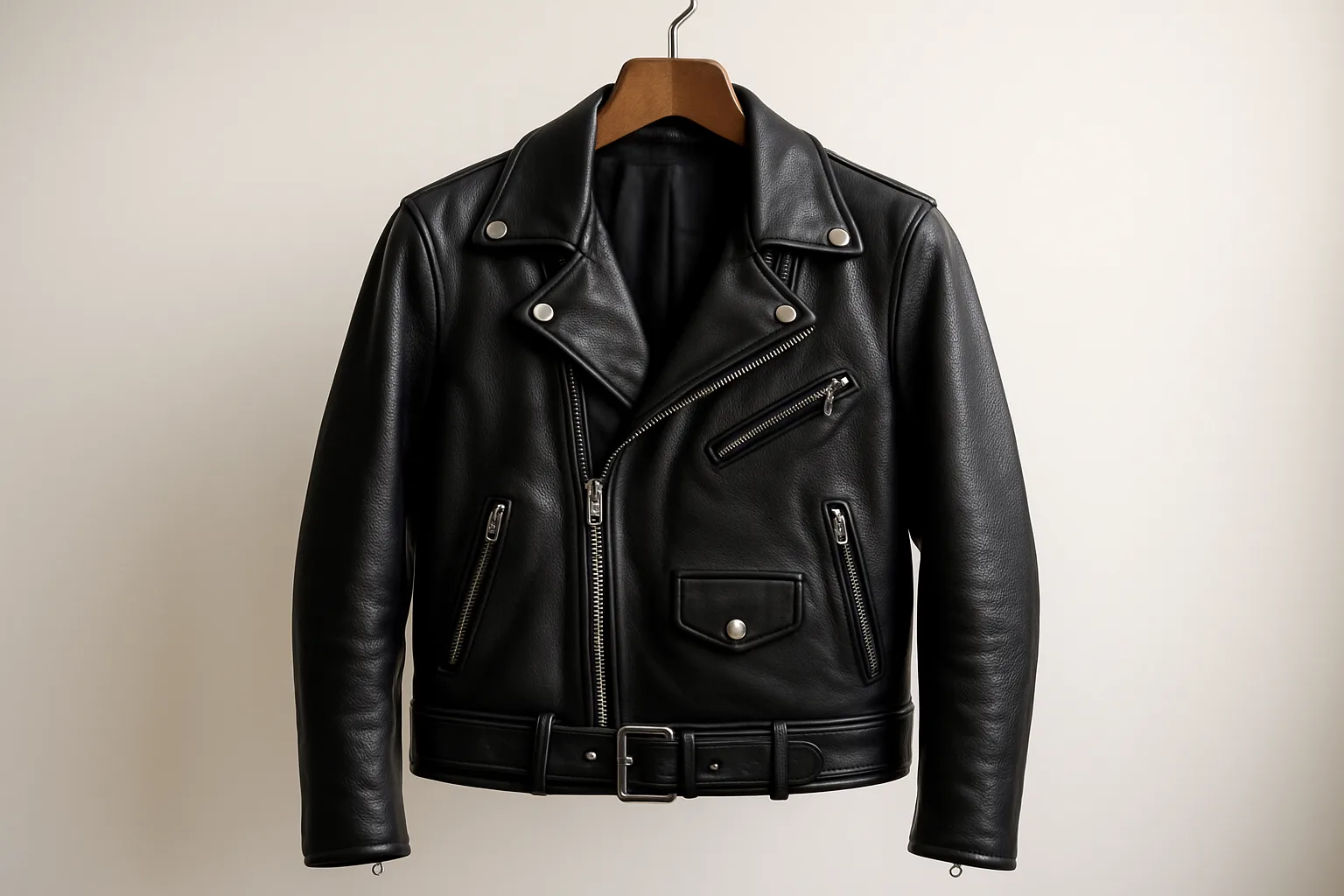
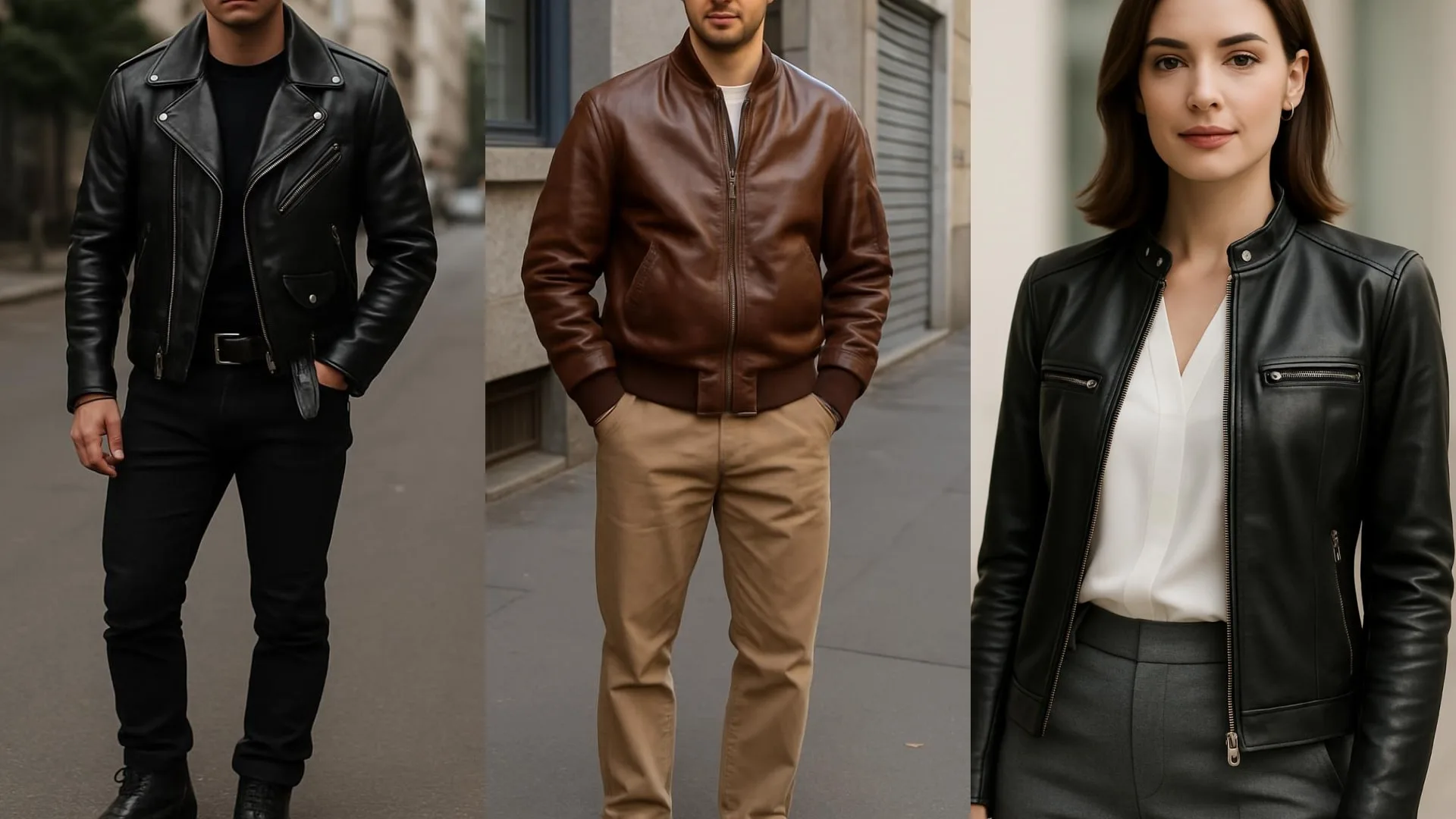
Its adaptability extends across different aesthetics too. A classic black biker jacket suits edgy, rock-inspired looks. However, a sleek bomber style in brown leather can feel more relaxed and preppy. A minimalist café racer design offers clean lines suitable for more sophisticated outfits. The specific style influences the overall look, but the core versatility remains.
This means you get more wear out of it. It isn’t confined to specific weather or occasions like, for example, a heavy parka or a formal suit jacket might be. You can reach for your leather jacket on cool spring evenings, crisp autumn days, and even layered in winter. This frequent usability is central to its value proposition.
In essence, a single leather jacket investment can serve the function of multiple, less versatile pieces. It simplifies your wardrobe while simultaneously expanding your styling options. This combination of timeless appeal, rugged durability, and chameleon-like versatility forms the bedrock of why it’s such a smart choice for the long term.
Calculating the Real Cost: Your Leather Jacket Investment Over Time
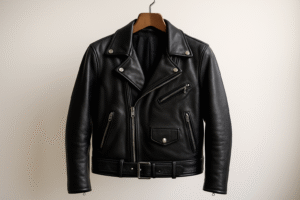
The initial price tag of a quality leather jacket can certainly seem high. Compared to fast-fashion alternatives, it represents a significant upfront cost. However, viewing this purely as an expense misses the bigger picture. To truly understand the economics, we need to think in terms of a leather jacket investment and consider its value over its entire lifespan.
This involves looking beyond the purchase price and evaluating factors like how often you’ll wear it and its potential value retention. Consequently, when you analyze the numbers, the initial cost often proves surprisingly justifiable.
Cost Per Wear: How Your Leather Jacket Investment Pays for Itself
One of the most compelling financial arguments for a quality leather jacket is the concept of cost per wear (CPW). This simple calculation (Total Cost ÷ Number of Wears) reveals the true cost of an item each time you use it. For durable, versatile items like a leather jacket, the CPW can become remarkably low over time.
Let’s illustrate. Imagine a trendy, lower-quality jacket costs $100. You might wear it 20 times over one or two seasons before it wears out or goes out of style. The CPW is $5 ($100 / 20 wears). Now, consider a quality leather jacket investment costing $500. This might seem steep initially.
However, due to its durability and timeless style, you could easily wear this jacket 50 times a year for 10 years (that’s 500 wears). Suddenly, the CPW drops to just $1 ($500 / 500 wears). Over 20 years (1000 wears), it’s a mere $0.50 per wear. As a result, the initially more expensive jacket becomes far cheaper in the long run.
This highlights the long-term value clothing aspect. Fast fashion often focuses on low initial prices but requires frequent replacement, leading to higher cumulative costs. Conversely, investing in quality pieces like a leather jacket means buying less often. This approach is not only more economical but also more sustainable.
Calculating the exact CPW for your potential leather jacket investment requires estimating how often you’d realistically wear it. Given its versatility – suitable for various seasons and occasions – the number of wears can accumulate quickly. Therefore, the high initial outlay is amortized over many years of use, making it a financially sound decision for many.
Resale Value: A Potential Return on Your Investment
Another financial aspect often overlooked is the potential resale value. Unlike many clothing items that become virtually worthless once used, a high-quality leather jacket can retain a significant portion of its value, especially if it’s a classic style from a reputable brand.
Think about the thriving market for vintage clothing. Well-maintained leather jackets are highly sought after. The patina and character they develop over time can actually increase their appeal to some buyers. This means your leather jacket investment isn’t just an expense; it’s potentially an asset.
While you shouldn’t buy a jacket solely as a financial investment hoping for appreciation, its ability to hold value provides a safety net. If your style changes or you decide to upgrade years down the line, you can likely recoup some of your initial cost. This is rarely the case with cheaper, mass-produced garments.
Factors influencing resale value include the brand, the quality of the leather and construction, the condition of the jacket, and the timelessness of its design. Classic styles like biker jackets, bombers, or café racers tend to hold their value better than more trend-driven designs. Furthermore, proper care significantly impacts its potential resale price.
Therefore, when considering the overall cost, factoring in potential resale value further strengthens the argument for a quality leather jacket investment. It mitigates the financial risk and underscores the idea that you’re purchasing an item with inherent, lasting worth.

Quality Matters: Ensuring Your Leather Jacket Investment Lasts
Not all leather jackets are created equal. The difference between a jacket that lasts a few years and one that becomes a lifelong companion often comes down to quality. Making a smart leather jacket investment requires understanding what constitutes genuine quality, from the hide itself to the smallest details of construction. Rushing this decision can lead to disappointment down the line.
Therefore, learning to spot the hallmarks of a well-made jacket is crucial. It empowers you to look beyond the brand name or price tag and assess the intrinsic value. Furthermore, understanding the distinction between real and faux leather is fundamental to making an informed choice that aligns with your expectations for durability and longevity.
Spotting Quality: What to Look For in Your Leather Jacket Investment
Assessing leather jacket quality involves examining several key components. Paying attention to these details will significantly increase your chances of securing a piece that truly justifies the leather jacket investment.
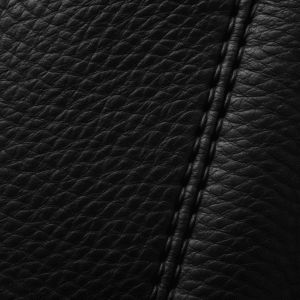
- The Leather Itself: This is paramount. Feel the leather. High-quality leather, particularly full-grain or top-grain, should feel substantial yet supple. Full-grain leather, the highest grade, uses the entire hide surface, retaining natural imperfections and offering maximum durability and breathability. It develops the best patina over time. Top-grain is slightly processed to remove imperfections but remains very durable. Avoid “genuine leather” (often lower quality splits) or “bonded leather” (essentially leather scraps glued together) if longevity is your primary goal. The leather should have a pleasant, natural smell, not a strong chemical odor.
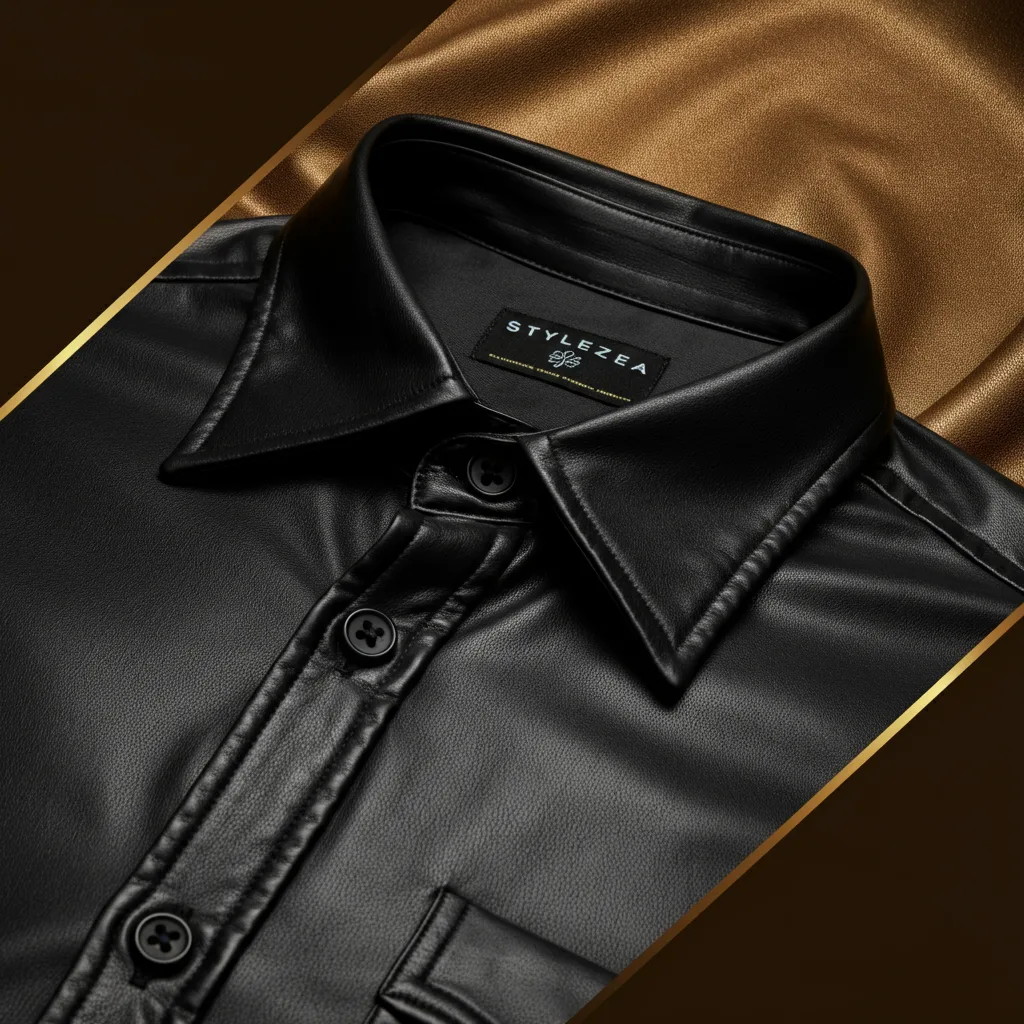
- Stitching: Examine the seams closely. Quality jackets feature tight, even stitches with a high stitch density (more stitches per inch). This indicates careful construction and adds strength. Look for reinforced stitching at stress points like shoulders, armholes, and pocket corners. Loose threads, uneven lines, or low stitch density are red flags, suggesting rushed production and potential weak points.
- Lining: The interior matters too. A quality lining, often made of durable materials like cotton, rayon (like Bemberg), or even silk blends, enhances comfort and longevity. It should be neatly sewn without pulling or bunching. Cheaper jackets might use flimsy polyester linings that can tear easily or feel uncomfortable against the skin.
- Hardware: Zippers, snaps, and buttons should feel solid and operate smoothly. Reputable manufacturers often use high-quality hardware from brands like YKK, RiRi, or Talon. Flimsy, lightweight zippers that catch or rough-edged snaps suggest cost-cutting measures that can lead to frustrating failures later on. Check that hardware is securely attached.
- Cut and Construction: A well-made jacket has a thoughtful cut that allows for movement without being overly baggy. Panels should be matched carefully, especially if there’s a distinct grain pattern. Fewer large panels generally indicate higher quality than many small pieces stitched together, as seams are potential points of weakness. Overall construction should feel robust.
Taking the time to check these elements moves you beyond surface appearances. Consequently, you can better gauge whether a particular jacket represents a genuine, lasting leather jacket investment.
Real vs. Faux: Making the Right Choice for Your Leather Jacket Investment
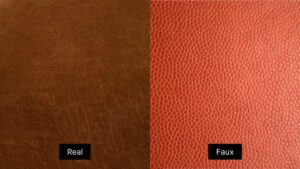
The debate between real vs faux leather is common when considering a jacket purchase. While high-quality faux leather (often called vegan leather or pleather) has improved significantly, there are fundamental differences that impact its suitability as a long-term leather jacket investment.
- Durability and Aging: Real leather, especially full-grain, is exceptionally durable and ages gracefully, developing character (patina). Faux leather, typically made from plastic coatings (like polyurethane or PVC) on a fabric base, is generally less durable. It doesn’t develop patina; instead, it can crack, peel, or delaminate over time, especially with frequent wear or exposure to sunlight and temperature changes. For longevity, real leather usually wins.
- Breathability and Comfort: Leather is a natural material and possesses some breathability, making it more comfortable to wear over extended periods. Most faux leathers are essentially plastic and lack breathability, which can lead to feeling clammy or sweaty.
- Feel and Appearance: High-quality real leather has a unique feel, weight, and smell that synthetics struggle to replicate perfectly. While good faux leather can look convincing initially, the way it drapes, creases, and ages differs significantly from the real thing.
- Care: Both require care, but methods differ. Real leather needs conditioning to prevent drying out. Faux leather generally requires simpler cleaning but can be irreparable if the plastic coating gets damaged.
- Cost: Faux leather is almost always cheaper upfront than comparable real leather jackets. This makes it accessible, but its shorter lifespan might negate the initial savings if replacement is needed sooner.
- Ethical and Environmental Considerations: This is complex. Real leather involves animal products, raising ethical concerns for some. However, faux leather is often petroleum-based plastic, raising environmental concerns about production and disposal (microplastics). Ethically sourced real leather (a byproduct of the meat industry) or innovative plant-based vegan leathers offer alternatives addressing some of these concerns. Choosing real leather for its longevity can also align with sustainable ‘buy less, choose well’ principles.
Ultimately, the choice depends on your priorities. If budget is tight or you have strong ethical objections to animal products, high-quality faux leather might be suitable for shorter-term style. However, if you prioritize durability, longevity, comfort, and the unique aging process as key components of your leather jacket investment, real leather remains the superior choice for long-term value.
The Confidence Factor: How a Leather Jacket Elevates Your Style and Presence
A leather jacket offers more than just physical protection or timeless style; it possesses a unique ability to boost confidence and alter perception. Slipping one on can genuinely change how you feel and how others see you. This psychological impact is a significant, albeit less tangible, part of the value derived from a leather jacket investment.
It’s tied to decades of cultural association – rebellion, adventure, effortless cool. Consequently, wearing one allows you to borrow a piece of that iconic energy. Let’s explore how this works.
The Psychology of Style: Wearing Confidence
Clothing has a well-documented effect on our mindset, a concept sometimes called “enclothed cognition.” Certain garments become associated with specific traits or roles, and wearing them can subtly influence our behavior and self-perception. The leather jacket is a prime example.
Historically, it’s been linked to figures who defy convention: pilots pushing boundaries, bikers embracing freedom, rock stars challenging norms. As a result, wearing a leather jacket can tap into these associations, making the wearer feel bolder, more assertive, or perhaps just a little more interesting.
This isn’t just about external perception; it’s internal too. The physical feel of a quality leather jacket – its weight, its structure, the way it molds to your body over time – can provide a sense of grounding and security. It feels substantial, protective. This tactile experience contributes to the feeling of confidence it often imparts.
Furthermore, knowing you’re wearing a classic, well-regarded piece can enhance self-assurance. It eliminates wardrobe second-guessing. A good leather jacket often feels inherently “right,” simplifying style choices and allowing you to focus on other things. This ease contributes to an overall confident demeanor.
Making a Statement Without Saying a Word
Beyond internal feelings, a leather jacket communicates powerfully to the outside world. It’s a visual shorthand, capable of conveying personality and attitude instantly. This makes it a valuable tool for self-expression and a key part of why it’s considered a versatile wardrobe staple with impact.
Depending on the style and how it’s worn, a leather jacket can project different messages. A sharp biker jacket might signal edginess and independence. A tailored leather blazer could suggest modern professionalism with a creative flair. A worn-in bomber might speak of a relaxed, adventurous spirit.
This ability to make a statement is part of its enduring appeal. In a world saturated with fleeting trends, the leather jacket offers a way to project a sense of substance and timeless cool. It suggests you value quality and possess a certain discerning taste.
Moreover, it often acts as a focal point in an outfit. It draws the eye and anchors the look. This commanding presence is why it’s often considered a “power piece.” It helps you stand out subtly, projecting an image of someone who is self-assured and knows their style.
Therefore, the confidence boost and communicative power of a leather jacket add another layer to its worth. It’s not just about looking good; it’s about feeling capable and expressing your identity effectively – intangible benefits that enhance the overall value of your leather jacket investment.
Protecting Your Asset: Maintaining Your Leather Jacket Investment
A high-quality leather jacket is built to last, but its incredible longevity isn’t entirely automatic. Proper care and maintenance are essential to protect your leather jacket investment and keep it looking its best for years, even decades. Neglecting care can lead to drying, cracking, staining, or loss of shape, diminishing both its appearance and lifespan.
Fortunately, leather jacket care isn’t overly complicated. Consistent, basic attention can make a huge difference. Think of it like maintaining any valuable asset – a little effort goes a long way in preserving its worth and usability. Let’s cover the essentials for keeping your jacket in prime condition.
Essential Care Tips for Your Leather Jacket Investment
Regular maintenance is key to maximizing the life of your leather jacket investment. Here are the fundamental practices:
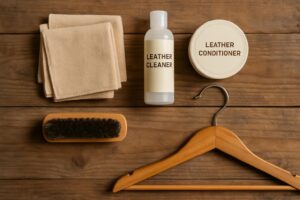
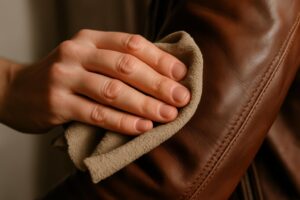
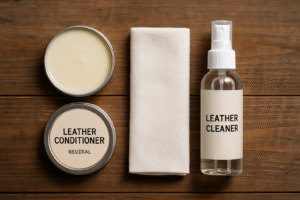
- Keep it Clean: Dust and dirt can be abrasive. Wipe your jacket down periodically with a soft, dry cloth or a slightly damp cloth for minor surface dirt. Avoid soaking the leather. For more significant grime or light stains, use a cleaner specifically designed for leather. Always test any cleaning product on an inconspicuous area first (like inside a cuff or hem).
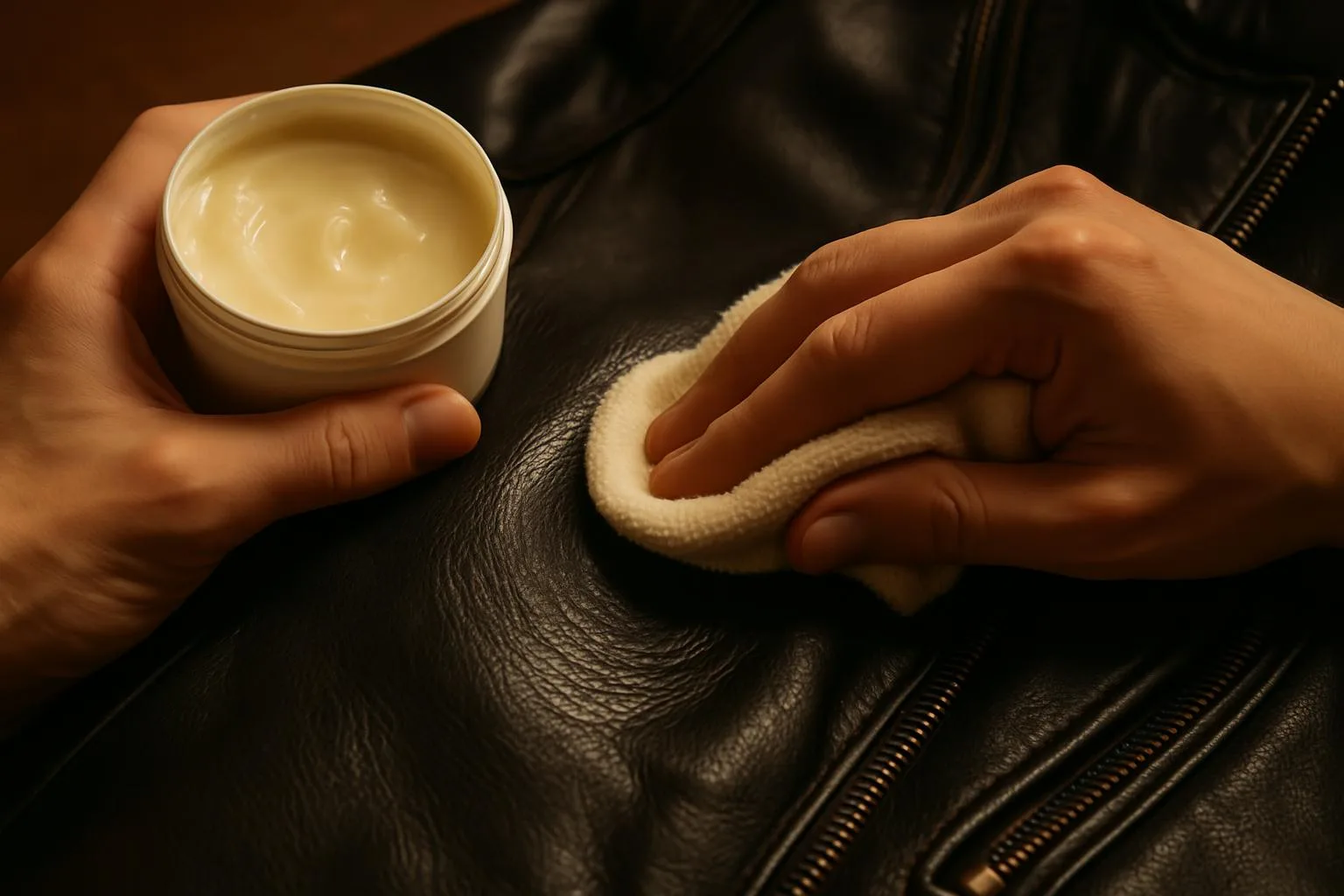
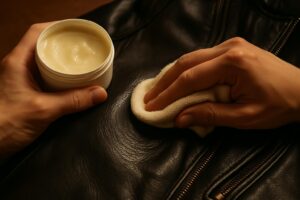
- Condition Regularly: Leather is a natural skin and can dry out over time, especially if exposed to sun or dry air. Conditioning replenishes its natural oils, keeping it supple and preventing cracks. Use a quality leather conditioner 1-2 times per year, or more often if you live in a very dry climate or wear the jacket frequently in harsh conditions. Apply conditioner sparingly with a soft cloth, let it absorb, then buff off any excess. Again, test first.
- Handle Moisture Properly: While leather offers some natural water resistance, it’s not waterproof. Avoid wearing your jacket in heavy rain if possible. If it does get wet, don’t panic. Gently blot away excess water with a soft cloth. Then, let it air dry naturally at room temperature, away from direct heat sources like radiators or hairdryers. Stuffing the sleeves with paper can help it retain shape. Never store a damp leather jacket.
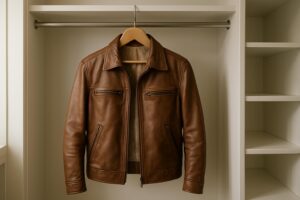
- Store Correctly: Proper storage prevents damage and helps maintain shape. Hang your leather jacket on a wide, padded hanger to support the shoulders and prevent stretching or creasing. Avoid thin wire hangers. Store it in a cool, dry place with good air circulation. Don’t store it in a plastic bag or airtight container, as leather needs to breathe. A breathable garment bag is acceptable for long-term storage to protect from dust.
- Address Stains Promptly: Deal with spills or stains as quickly as possible. Blot liquids immediately – don’t rub, as this can spread the stain. Specific stain removal techniques depend on the type of stain (e.g., oil, ink). Consult reliable leather care guides or professionals for specific stain treatments. Avoid harsh household cleaners.
Following these basic leather jacket care steps consistently will significantly extend the life and beauty of your leather jacket investment.
When to Seek Professional Help
While routine care can be handled at home, some situations warrant professional attention. Attempting complex repairs or deep cleaning without expertise can sometimes do more harm than good.
Consider seeking help from a leather care specialist or a reputable dry cleaner experienced with leather for:
- Deep Cleaning: If your jacket is heavily soiled or has absorbed odors.
- Stubborn Stains: For difficult stains like ink, paint, or unknown substances.
- Significant Damage: Tears, rips, broken zippers, or lining replacement often require professional repair techniques and tools.
- Restoration: If an older jacket needs significant conditioning, color restoration, or structural repairs.
Professionals have access to specialized products and techniques that can safely address these issues. While it involves an extra cost, professional care can be a worthwhile investment to salvage or restore a valuable piece, further protecting your initial leather jacket investment.
Sustainability and Ethical Considerations in Your Leather Jacket Investment
In today’s world, conscious consumerism is increasingly important. When considering any significant purchase, including a leather jacket investment, it’s natural to think about its environmental and ethical footprint. The conversation around leather can be complex, involving aspects of animal welfare, resource use, and waste.
However, viewing a quality leather jacket through the lens of sustainability offers an interesting perspective. Its inherent longevity can align surprisingly well with principles of slow fashion and reducing overall consumption. Let’s explore these considerations.
The Longevity Argument: Buying Less, Choosing Well
The fast fashion industry thrives on rapid cycles of production and consumption, leading to enormous amounts of textile waste. Items are often designed to be worn only a few times before being discarded. In contrast, a core principle of sustainable fashion is “buy less, choose well, make it last.”
A durable, high-quality leather jacket investment fits perfectly into this philosophy. Because it can last for decades, it drastically reduces the need to repeatedly buy new jackets. Instead of purchasing several cheaper, less durable jackets over ten years, you invest once in a piece designed for longevity.
This significantly cuts down on the resources consumed and waste generated compared to frequently replacing outerwear. By choosing a long-term value clothing item like a well-made leather jacket, you are actively opting out of the disposable fashion cycle. Its durability directly translates into a lower environmental impact over its extended lifespan, simply because fewer items need to be produced and discarded.
Furthermore, as leather ages and develops patina, it often gains character, encouraging owners to keep and cherish it rather than seeking novelty. This emotional connection also contributes to reduced consumption. Therefore, the very durability that makes it a good financial investment also makes it a potentially more sustainable choice compared to multiple short-lived alternatives.
Ethical Sourcing and Alternatives
The primary ethical concern surrounding leather is, of course, its origin as an animal product. It’s important to acknowledge this. However, much of the leather used in fashion is a byproduct of the meat and dairy industries. This means the hides would likely exist regardless of the demand for leather goods. Utilizing these hides prevents them from becoming waste.
Consumers seeking more ethically produced options can look for brands transparent about their sourcing. Some companies prioritize leather from sources with higher animal welfare standards or use tanning processes with lower environmental impacts (like vegetable tanning instead of chrome tanning, which uses heavy metals).
For those who prefer to avoid animal products altogether, the market for vegan leather has grown substantially. While early faux leathers were often low-quality plastics (PVC), newer alternatives use different materials, including plant-based sources like pineapple leaves (Piñatex), mushrooms (mycelium leather), or cork. The quality and durability of these alternatives vary, but high-end options are improving.
When considering real vs faux leather from an ethical standpoint, it’s a nuanced decision. Traditional faux leather (PU/PVC) has its own environmental drawbacks related to plastic production and disposal. High-quality vegan alternatives might offer a better solution for some. However, the sheer longevity of a well-cared-for real leather jacket investment still presents a strong argument for sustainability through reduced consumption.
Ultimately, making an informed choice involves weighing these factors based on your personal values and priorities. Researching brands and materials allows you to align your leather jacket investment with your ethical stance.
Frequently Asked Questions (FAQ) About Making a Leather Jacket Investment
Here are answers to some common questions people have when considering a leather jacket investment:
Q1: Is a leather jacket investment really worth the high price?
A: Absolutely, when you consider the long-term value. While the upfront cost can be higher than other jackets, a quality leather jacket investment pays off through exceptional durability and timeless style. Unlike fast fashion items, it won’t need replacing every season. Calculating the cost per wear often reveals it’s more economical over time than buying multiple cheaper jackets. Plus, it’s a versatile wardrobe staple that remains fashionable for decades.
Q2: How long does a good quality leather jacket last?
A: A high-quality leather jacket, made from durable materials like full-grain leather and constructed well, can easily last 10-20 years, and potentially even a lifetime with proper leather jacket care. Its longevity is a key factor making it such a sound investment. Factors like the type of leather, frequency of wear, and maintenance routine all influence its exact lifespan, but durable outerwear like this is built to endure.
Q3: What’s the difference in value between real and faux leather jackets?
A: The main difference lies in durability and aging. Real leather is generally much more durable and develops a unique patina over time, enhancing its character. Faux leather (real vs faux leather) is less durable, prone to cracking or peeling, and doesn’t age in the same way. While faux leather is cheaper initially, real leather typically offers better long-term value and is often considered the superior leather jacket investment due to its longevity and feel.
Q4: How do I know if I’m buying a quality leather jacket?
A: Assessing leather jacket quality involves checking several things. Examine the leather itself – full-grain or top-grain is best. Look for tight, even stitching, especially at stress points. Check the quality of the hardware (zippers, snaps) – they should feel solid and work smoothly. A good lining and thoughtful construction are also indicators. Don’t rely solely on brand or price; inspect these details to ensure a worthwhile leather jacket investment.
Q5: Can a leather jacket investment fit into a sustainable wardrobe?
A: Yes, surprisingly well. The core idea of sustainability is buying less and choosing items that last. A durable leather jacket investment perfectly embodies this. Its longevity means you consume less over time compared to replacing cheaper jackets frequently. While ethical considerations around real vs faux leather exist, choosing a long-lasting real leather jacket (especially one sourced as a byproduct) aligns with slow fashion principles and reduces overall textile waste, making it a potentially sustainable choice.
Conclusion: Why Your Wardrobe Needs a Leather Jacket Investment
Throughout this exploration, we’ve seen compelling evidence supporting the idea that a quality leather jacket is far more than just another piece of clothing. It represents a genuine leather jacket investment – a decision that pays dividends in style, durability, and long-term value. Its ability to transcend fleeting trends ensures it remains relevant year after year, unlike so many items destined for the back of the closet.
The unmatched durability of well-crafted leather means you’re acquiring a companion built for the long haul. It withstands the rigors of daily life and often improves with age, developing a unique character that reflects your personal journey. This longevity drastically lowers the cost per wear, making the initial outlay seem far more reasonable when viewed over years, or even decades, of use.
Furthermore, its incredible versatility allows it to adapt to countless outfits and occasions, maximizing its utility and ensuring it rarely feels out of place. From adding edge to casual looks to providing a modern alternative to formal outerwear, it’s a true versatile wardrobe staple. Add to this the undeniable confidence boost it provides and its potential to retain value, and the case becomes even stronger.
Compared to the cycle of buying and discarding cheaper, less durable fast fashion items, choosing a leather jacket investment aligns with a more sustainable, considered approach to building a wardrobe. It’s about choosing quality over quantity, longevity over disposability.
Finding the right leather jacket – one that fits well, suits your style, and is made with quality materials – might take time and research. However, the rewards are substantial. It’s an investment in your personal style, your confidence, and a piece of enduring craftsmanship that you can rely on for years to come.
Call to Action (CTA)
What are your thoughts on making a leather jacket investment? Do you have a beloved leather jacket with its own story? Share your experiences and favorite styling tips in the comments below! We’d love to hear from you.
If you found this guide helpful, consider subscribing for more style insights and tips on building a lasting wardrobe. And don’t forget to check out our related post — 5 Celebrity Leather Jacket Looks You Can Easily Copy — for more inspiration!