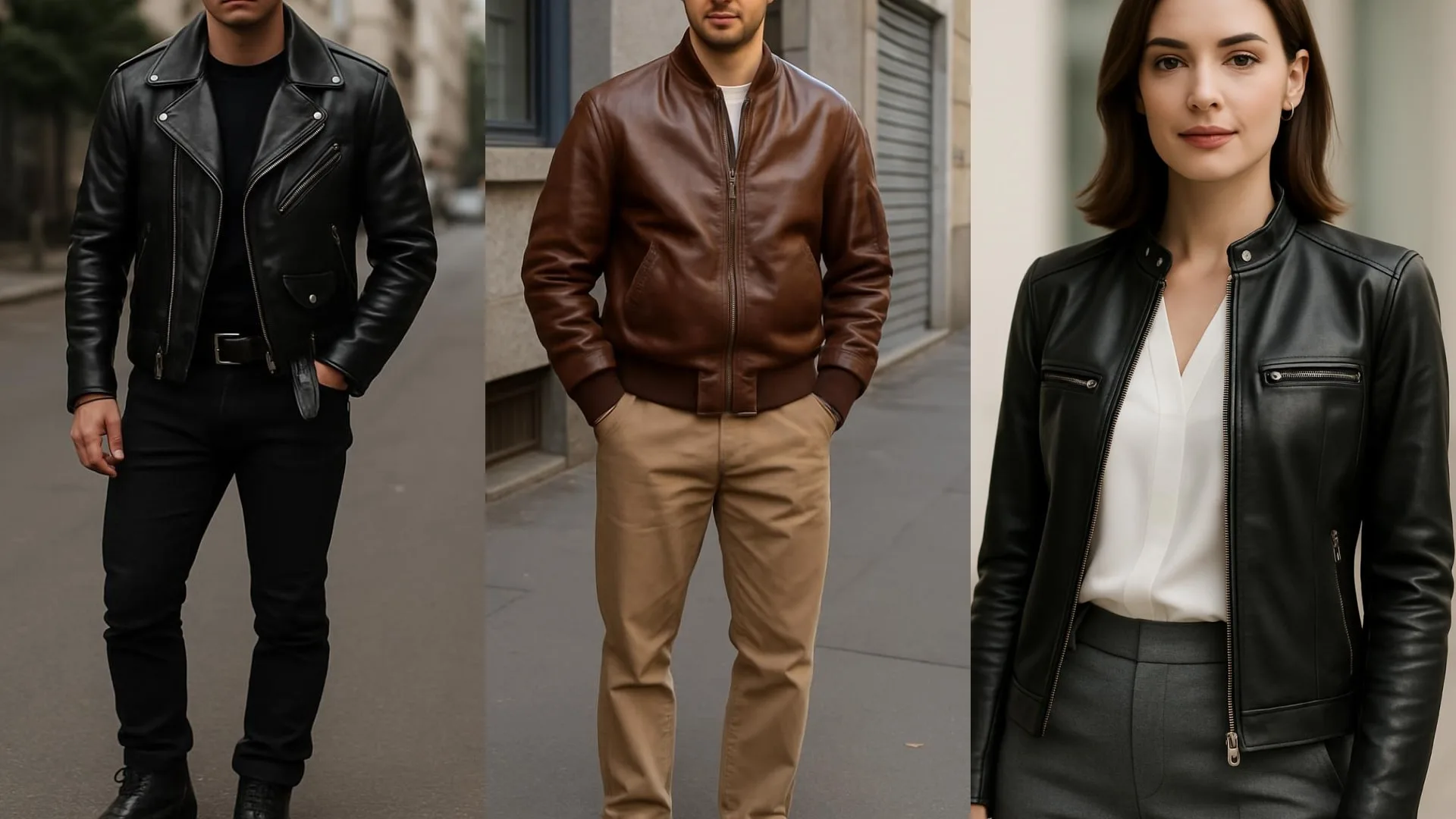
Leather Jacket Formal: Style Guide & Tips

Leather Jacket Formal: Can This Style Statement Work?

Introduction

The leather jacket. It’s an icon of rebellion, a symbol of cool, and a staple in countless wardrobes. From rock stars to movie heroes, its allure is undeniable. However, when it comes to formal settings, a common question arises: can a leather jacket formal look truly fit in? This is a question that sparks debate among fashion enthusiasts and style gurus alike. Many people associate leather jackets with casual outings, motorcycle rides, or edgy street style. Yet, the world of fashion is constantly evolving, and traditional rules are often bent, if not broken entirely. Therefore, understanding the nuances of integrating a leather jacket into a more polished ensemble is crucial. This comprehensive guide will explore whether this versatile garment can indeed elevate your formal attire. We will delve into the specific types of leather jackets that might work, the occasions where they are appropriate, and how to style them effectively. Ultimately, we aim to provide you with the insights needed to confidently decide if a leather jacket belongs in your formal wardrobe.
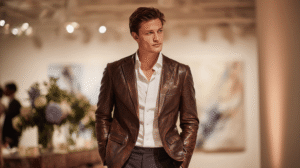
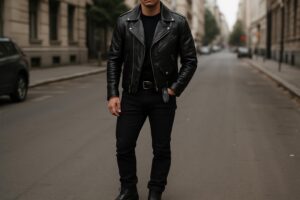
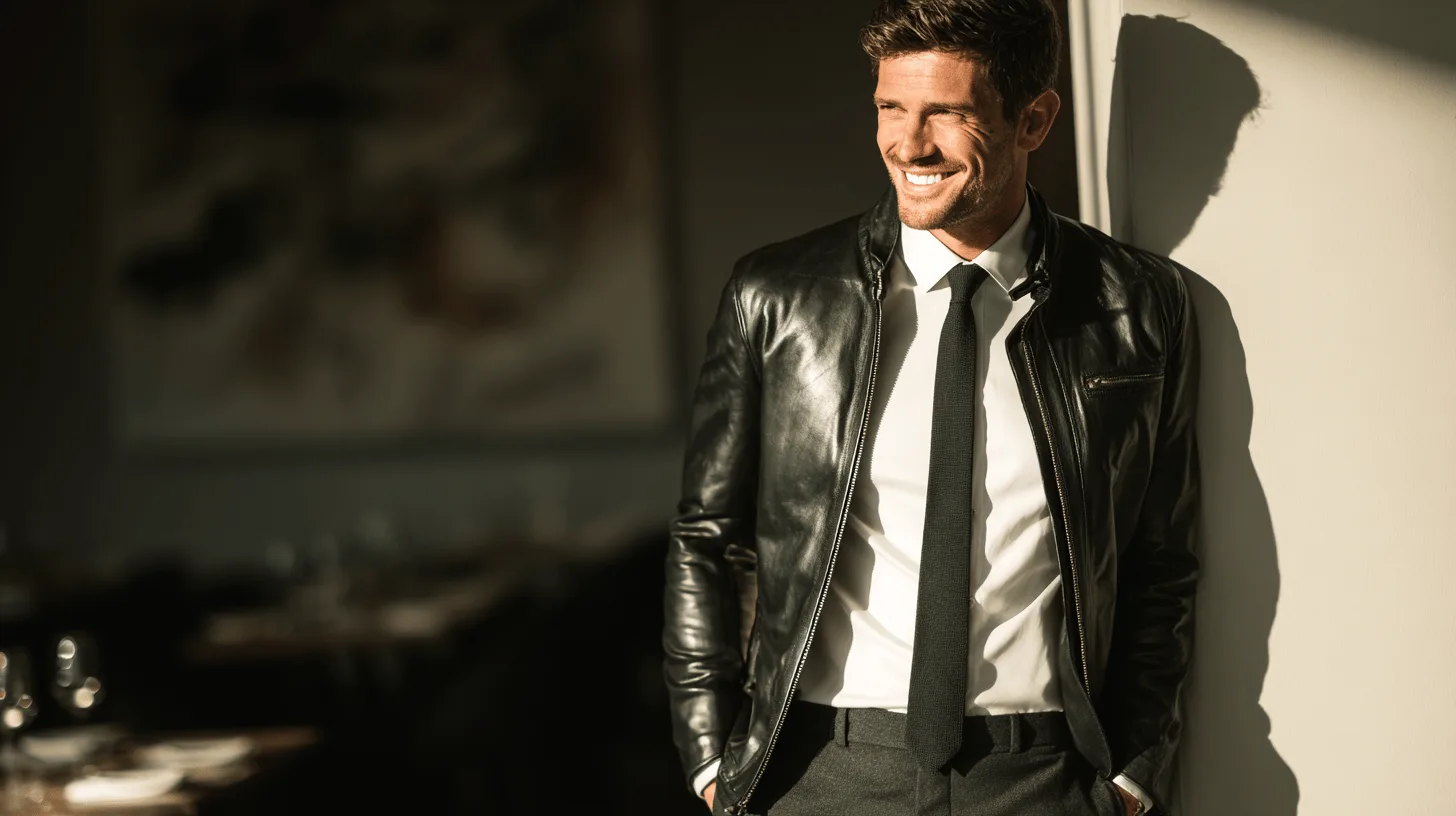
Formal leather jacket styled with a suit for a sophisticated look.

Understanding Formal Wear: Beyond the Basics

Before we dive into the specifics of the leather jacket formal debate, it’s essential to understand what formal wear truly entails. Traditionally, formal attire refers to clothing suitable for highly structured events. Think black-tie galas, weddings, or significant business functions. These occasions often demand a strict dress code. For men, this typically means a tuxedo or a dark suit. For women, it involves evening gowns or sophisticated cocktail dresses. However, the definition of formality has evolved considerably over time. Modern interpretations often blend traditional elements with contemporary styles. This shift allows for more flexibility and personal expression. Therefore, understanding the specific context of an event is crucial. The venue, time of day, and nature of the gathering all play a significant role. Furthermore, accessories are vital in formal outfits. They can elevate a simple ensemble or detract from a sophisticated look. Therefore, careful consideration of every detail is necessary. This includes shoes, ties, jewelry, and even outerwear. Ultimately, the goal is to present a polished and respectful appearance. This respect extends to the occasion and other attendees. Thus, a nuanced understanding of formal wear is key.

The Leather Jacket: A Versatile Wardrobe Staple

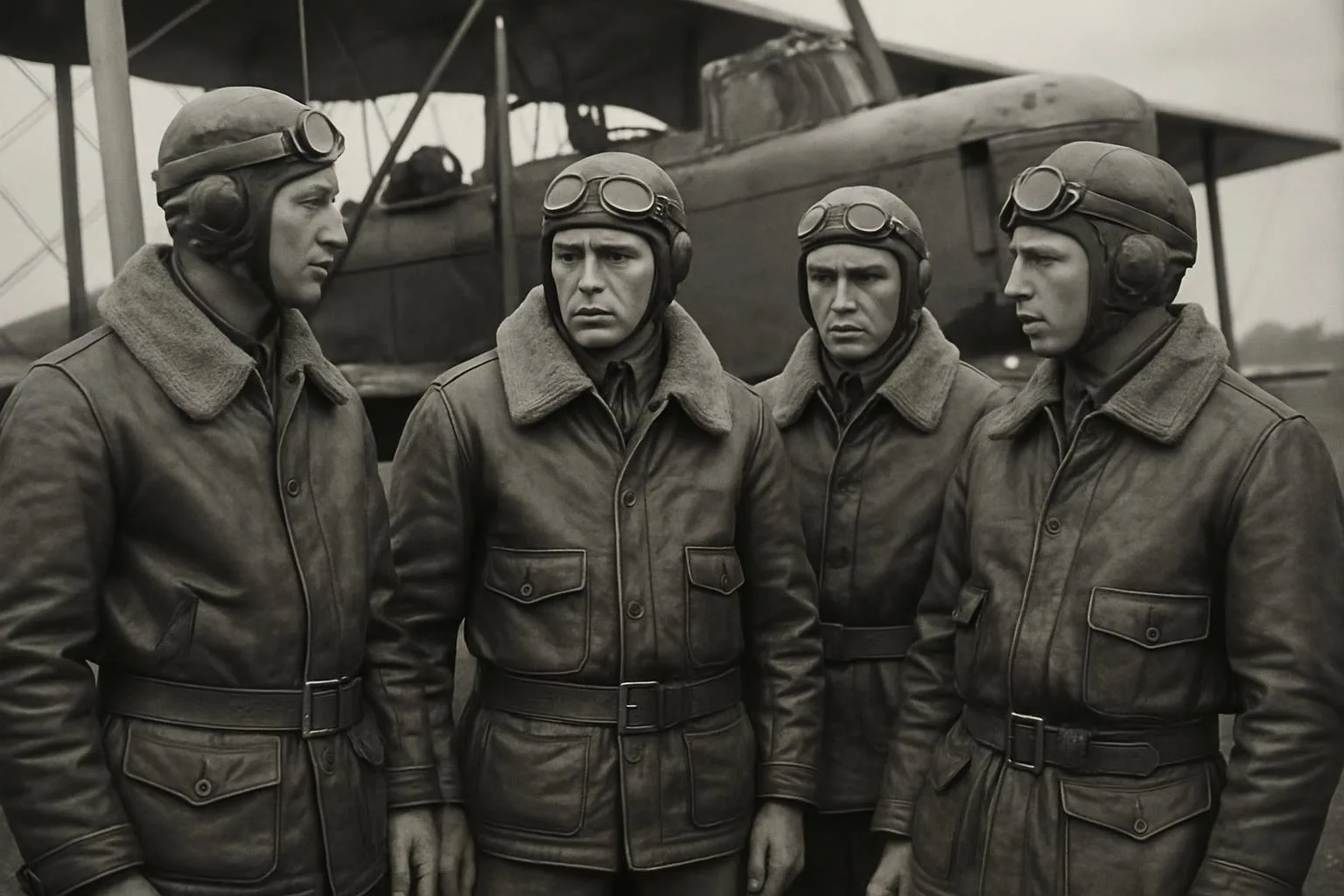
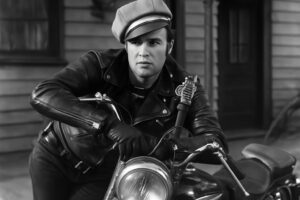
The leather jacket has a rich and fascinating history. It began as functional attire for aviators and motorcyclists. Over time, it transformed into a fashion statement. Icons like Marlon Brando and James Dean cemented its rebellious image. This garment has always been associated with a certain rugged charm. It exudes an air of effortless cool. Consequently, it became a symbol of counter-culture. Today, the leather jacket is incredibly versatile. It comes in many different types. For example, there’s the classic biker jacket. This style often features asymmetrical zippers and a fitted silhouette. Then there’s the bomber jacket, known for its ribbed cuffs and hem. The cafe racer is another popular choice, offering a more minimalist design. Furthermore, the leather blazer provides a more refined option. Each style carries its own distinct vibe. However, despite its widespread appeal, the leather jacket is still primarily seen as casual wear. Its origins in utilitarian and rebellious contexts contribute to this perception. People often wear it with jeans, t-shirts, or casual dresses. This makes the idea of a leather jacket formal pairing seem counterintuitive to some. Nevertheless, its inherent versatility means it can adapt to various situations. The key lies in understanding its nuances. It’s about selecting the right style and pairing it with appropriate garments. This careful consideration can bridge the gap between casual and formal. Therefore, we must explore how to make this iconic piece work in unexpected settings.

When a Leather Jacket Formal Look Can Work

Despite its casual reputation, there are indeed specific scenarios where a leather jacket formal look can not only work but also make a distinctive style statement. The success of this pairing largely depends on the context of the event. It also hinges on the specific type of leather jacket chosen. Furthermore, the way it is styled with other garments is crucial. Consider events that fall into the ‘smart casual’ or ‘business casual’ categories. These are often the sweet spot for incorporating a leather jacket. For instance, a semi-formal dinner party, a sophisticated art gallery opening, or a creative industry networking event could be ideal. In these settings, a full suit might feel too rigid. Conversely, overly casual attire would be inappropriate. A well-chosen leather jacket can provide that perfect balance. It adds an element of modern edge without sacrificing professionalism. The importance of the right leather jacket styling cannot be overstated. It’s not just about throwing on any leather jacket. Instead, it requires careful thought and deliberate choices. The goal is to elevate the jacket, not to bring down the formality of the overall outfit. Therefore, paying attention to details is paramount. This includes the cut, color, and material of the jacket. It also involves the quality and style of the accompanying clothing. Always consider the event’s dress code. If it explicitly states ‘black tie’ or ‘white tie,’ a leather jacket is almost certainly a ‘no.’ However, for less stringent formal occasions, it can be a surprisingly effective choice. The key is to be discerning and confident in your styling. This allows you to push traditional boundaries tastefully.
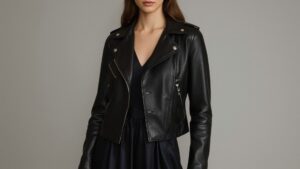
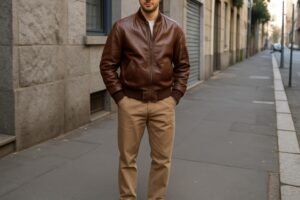
Elegant leather jacket styling for a formal evening.

Choosing the Right Leather Jacket for Formal Occasions

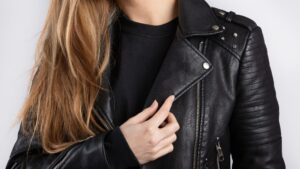
Selecting the appropriate leather jacket is the first and most critical step in achieving a successful leather jacket formal look. Not all leather jackets are created equal when it comes to formality. The material and finish are paramount. Opt for smooth, high-quality leather. Full-grain or top-grain leather with a subtle sheen or a matte finish is ideal. Avoid distressed, heavily textured, or overly shiny leathers. These tend to lean too casual. The color of the jacket also plays a significant role. Black is almost always the safest and most versatile choice. Dark brown or deep navy can also work well. These colors convey sophistication and blend seamlessly with formal palettes. Bright colors or bold patterns are generally unsuitable for formal settings. Furthermore, the style of the jacket matters immensely. A sleek, minimalist design is preferable. Consider a leather blazer or a refined bomber jacket. A cafe racer, with its clean lines, can also be a strong contender. These styles offer a more tailored and polished appearance. Conversely, avoid overly casual elements. This includes excessive zippers, buckles, patches, or prominent branding. These details can detract from the desired formal aesthetic. The fit of the jacket is equally important. It should be well-tailored and fit snugly but comfortably. A jacket that is too baggy or too tight will undermine the entire look. Therefore, investing in a high-quality, well-fitting leather jacket is crucial. This ensures it complements your formal attire rather than clashing with it.

Pairing Your Leather Jacket with Formal Attire

Once you have chosen the right leather jacket, the next step is to master the art of pairing it with formal attire. This is where the true magic of leather jacket styling happens. For men, integrating a leather jacket into a formal ensemble requires careful consideration. It can be worn over a crisp dress shirt. Add a tie for an extra touch of sophistication. Pair it with tailored trousers. Wool or high-quality cotton trousers work best. While a full suit is generally too formal for a leather jacket, a well-fitted vest underneath can add a layer of elegance. Consider a dark, solid-colored leather blazer with dress shoes. This creates a cohesive and polished appearance. For women, the possibilities are equally exciting. A sleek leather jacket can be draped over a formal dress. This works particularly well with midi or maxi dresses. It can also be paired with elegant skirts. Think pencil skirts or A-line designs. Blouses made of silk or other luxurious fabrics complement the jacket beautifully. Tailored pants are another excellent option. The key is to balance the edginess of the leather with the refinement of the formal pieces. The role of shoes and other accessories cannot be overstated. For men, polished leather dress shoes are a must. For women, heels or elegant flats are appropriate. Minimalist jewelry and a sophisticated handbag can further enhance the look. The goal is to create a cohesive formal leather jacket ensemble. Every element should work together harmoniously. This ensures that the leather jacket elevates the outfit, rather than making it appear out of place. Ultimately, thoughtful pairing transforms the leather jacket from a casual item into a statement of refined style.

The ‘No’ Side: When to Avoid a Leather Jacket Formal Look

While a leather jacket formal look can be surprisingly effective in certain contexts, there are definitive situations where it is best avoided. Knowing when to say ‘no’ is just as important as knowing when to say ‘yes.’ The primary rule of thumb is to consider the level of formality of the event. Highly traditional or conservative events are almost always off-limits for a leather jacket. This includes formal corporate galas, traditional weddings with a strict dress code, or diplomatic functions. In these settings, adherence to established dress codes is paramount. Deviating from these norms can be perceived as disrespectful or unprofessional. Therefore, a classic suit or tuxedo for men, and an elegant gown for women, are the only appropriate choices. Black-tie affairs are a prime example of events where a leather jacket has no place. These events demand the highest level of formal attire. A tuxedo is the standard for men, and a formal evening gown for women. Introducing a leather jacket, no matter how sleek or well-tailored, would fundamentally clash with the expected aesthetic. Similarly, white-tie events, which are even more formal than black-tie, absolutely preclude the use of a leather jacket. These occasions are steeped in tradition and require very specific attire. In such cases, the goal is not to make a personal style statement. Instead, it is to honor the tradition and formality of the event. When in doubt, it is always safer to err on the side of caution. If you are unsure about the dress code, or if the event is clearly defined as highly formal, choose a traditional formal outfit. A leather jacket, even a very refined one, carries an inherent edge. This edge can be a strength in some settings. However, it becomes a significant drawback in environments that demand strict adherence to conventional formality. Therefore, understanding these boundaries is crucial for maintaining appropriate decorum and making a positive impression.

Mastering the Smart Casual with a Leather Jacket

The true sweet spot for a leather jacket formal look often lies within the realm of smart casual attire. This dress code offers a fantastic opportunity to blend comfort with sophistication. It allows for more personal expression than traditional formal wear. A smart casual event is less rigid than a black-tie affair. However, it still requires a polished appearance. This is where a leather jacket truly shines. It can elevate an otherwise simple outfit. For example, pairing a well-fitted leather jacket with dark wash jeans and a button-down shirt creates an effortlessly chic look. This combination is perfect for a casual dinner or a relaxed business meeting. The leather jacket adds an element of refined edge. It signals a sense of style without being overly dressed up. How does a smart casual leather jacket elevate your style? It introduces texture and a subtle rebellious flair. This breaks the monotony of standard smart casual options. It also adds a layer of warmth and protection. Consider a high-quality leather jacket as a statement piece. It can transform a basic ensemble into something memorable. Examples of successful smart casual pairings are abundant. For men, a black or dark brown leather jacket over a fine-gauge knit sweater and chinos works well. Add loafers or stylish sneakers for a modern touch. For women, a tailored leather jacket can be worn over a silk blouse and tailored trousers. Alternatively, pair it with a midi skirt and ankle boots. The key is to ensure the other elements of your outfit are equally refined. Avoid t-shirts with large graphics or overly distressed denim. The goal is to strike a balance. The leather jacket should complement, not overpower, the smart casual aesthetic. Therefore, mastering this balance allows you to confidently incorporate your leather jacket into a wider range of social and professional settings. It truly showcases the versatility of this iconic garment.

Beyond the Basics: Advanced Leather Jacket Styling Tips

Once you’ve mastered the fundamental principles of incorporating a leather jacket into formal or smart casual outfits, you can explore more advanced styling techniques. These tips will help you refine your look and truly make a statement. Layering is a powerful tool for achieving a sophisticated appearance. For instance, consider wearing a thin, high-quality turtleneck or a fine-knit sweater underneath your leather jacket. This adds depth and texture to your ensemble. It also provides an extra layer of warmth during cooler months. For a more formal touch, a well-fitted waistcoat or vest can be worn between your dress shirt and the leather jacket. This creates a layered effect that is both stylish and unexpected. Accessorizing strategically can significantly enhance or tone down the formality of your outfit. A silk scarf, for example, can add a touch of elegance and color. For men, a pocket square in a complementary color can elevate a leather blazer. For women, a statement necklace or elegant earrings can draw attention upwards. Conversely, if you want to make a leather jacket formal look slightly less rigid, consider a subtle patterned tie or a pair of stylish, but not overly casual, sneakers. The impact of fit and tailoring cannot be overstated. Even the most expensive leather jacket will look ill-fitting if it’s not tailored correctly. Ensure the shoulders fit perfectly. The sleeves should end at your wrist bone. The jacket length should be appropriate for your body type and the overall look you’re aiming for. A well-tailored leather jacket looks custom-made. This instantly elevates its perceived formality. Furthermore, pay attention to the overall color palette of your outfit. Monochromatic looks, where different shades of the same color are used, can create a very sleek and sophisticated appearance. For example, a black leather jacket paired with charcoal grey trousers and a dark grey shirt can be incredibly impactful. By experimenting with these advanced tips, you can truly unlock the full potential of your leather jacket. This allows you to create diverse and compelling formal and semi-formal ensembles.

Real-Life Examples and Inspirations

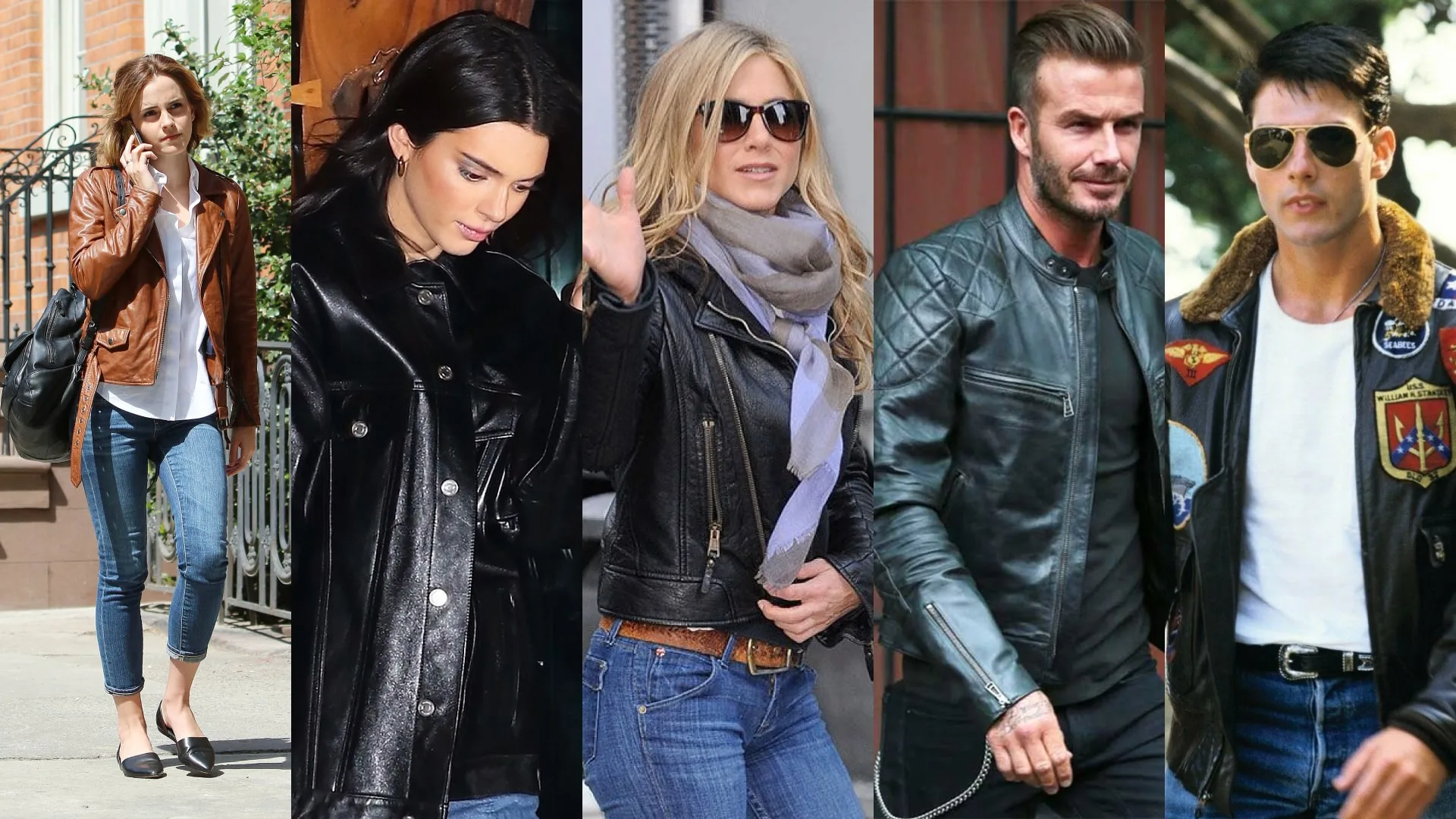
To truly grasp the potential of a leather jacket formal look, it’s helpful to examine real-life examples. Many celebrities and fashion icons have successfully integrated leather jackets into their more polished ensembles. This demonstrates that with the right approach, this seemingly casual item can indeed be part of a sophisticated outfit. Consider the red carpet appearances of certain actors. They often pair a sleek, minimalist leather jacket with tailored trousers and a dress shirt. This creates a modern, edgy alternative to the traditional suit jacket. For women, fashion-forward celebrities have been seen wearing elegant leather blazers over evening gowns or sophisticated jumpsuits. These looks often appear in fashion magazines and at high-profile events. They showcase how a dressy leather jacket can add an unexpected twist to formal wear. Street style also offers a wealth of inspiration. Fashion bloggers and influencers frequently experiment with blending different styles. You’ll find examples of individuals effortlessly combining a refined leather jacket with tailored skirts or smart trousers. These looks often highlight the versatility of the leather jacket. They demonstrate its ability to adapt to various levels of formality. Before and after transformations can be particularly insightful. Imagine a standard business casual outfit: a button-down shirt, chinos, and loafers. Now, swap out the traditional blazer for a well-fitted, dark leather jacket. The entire aesthetic shifts. It becomes more contemporary, more confident, and undeniably stylish. Similarly, a simple cocktail dress can be transformed by adding a sleek leather jacket. It instantly adds an element of cool sophistication. These transformations are not about radical changes. Instead, they focus on strategic substitutions. They show how a single garment can dramatically alter the perception of an entire outfit. By observing these examples, you can gain a better understanding of what works and what doesn’t. This visual inspiration is invaluable. It helps in developing your own sense of style. It also encourages you to experiment with your wardrobe. Ultimately, these real-life instances prove that the leather jacket formal concept is not just theoretical. It is a tangible and achievable style statement.

The Investment in a Quality Leather Jacket

When considering a leather jacket formal look, the quality of the jacket is paramount. This is not merely a suggestion; it is a fundamental requirement. A cheap, poorly constructed leather jacket will undermine any attempt at formality. It will look out of place and detract from your overall appearance. Conversely, a high-quality leather jacket elevates your entire ensemble. It exudes sophistication and craftsmanship. Why does quality matter so much for a formal appearance? Firstly, the material itself. Premium leather, such as full-grain or top-grain, has a luxurious feel and a natural drape. It ages beautifully, developing a unique patina over time. This is in stark contrast to synthetic or bonded leathers, which can look stiff, artificial, and quickly show wear. Secondly, the construction. A well-made leather jacket features meticulous stitching, durable hardware, and a comfortable lining. These details contribute to its longevity and overall aesthetic appeal. A quality jacket will maintain its shape and structure, even with frequent wear. This is crucial for maintaining a polished look. The longevity and versatility of a well-made jacket also make it a worthwhile investment. Unlike fast fashion items, a good leather jacket is designed to last for years, even decades. It transcends fleeting trends. It can be dressed up or down, making it a highly adaptable piece in your wardrobe. It can be worn casually with jeans and a t-shirt. It can also be incorporated into a more formal outfit, as we have discussed. This versatility means you get significant value from your purchase. Therefore, viewing a quality leather jacket as an investment rather than a mere expense is a wise perspective. It’s an investment in your style, your confidence, and your wardrobe’s enduring appeal. For more insights into why a quality leather jacket is a smart purchase, you might find this article helpful: Leather Jacket Investment: Why It’s Worth Every Penny. This piece delves deeper into the economic and stylistic benefits of choosing quality over quantity. Ultimately, if you aim to integrate a leather jacket into your formal wear, do not compromise on quality. It is the foundation upon which a successful and stylish look is built.

Conclusion: The Verdict on Leather Jacket Formal

So, can a leather jacket formal look truly work? The answer, as we have explored, is a resounding yes, but with significant caveats. It is not a blanket endorsement for all formal occasions. Instead, it is a nuanced acceptance for specific scenarios and with careful consideration of styling. The key considerations revolve around the type of event, the specific style of leather jacket, and the overall coherence of your outfit. For highly traditional or black-tie events, the leather jacket remains an inappropriate choice. Its inherent casual and rebellious roots simply do not align with the strict decorum of such occasions. However, for smart casual gatherings, business casual environments, or semi-formal events with a modern twist, a well-chosen and expertly styled leather jacket can be a powerful asset. It offers a contemporary edge. It also allows for personal expression within the bounds of appropriate attire. The success of this pairing hinges on selecting a sleek, minimalist leather jacket in a dark, classic color. Furthermore, it requires meticulous attention to fit and quality. Pairing it with tailored trousers, crisp shirts, elegant dresses, and sophisticated accessories is crucial. This ensures that the jacket elevates the ensemble rather than detracting from it. Ultimately, the decision to incorporate a leather jacket into your formal wardrobe comes down to personal style and confidence. Fashion is, after all, a form of self-expression. When executed thoughtfully, a leather jacket can transform a conventional formal outfit into something truly memorable and distinctive. It allows you to break free from rigid traditions. It also lets you embrace a more modern and individualistic approach to dressing. Therefore, do not be afraid to experiment. Trust your instincts. And remember, true style is about wearing what makes you feel good and confident. This confidence will shine through, regardless of whether you choose a traditional suit or a daring leather jacket formal combination.

FAQ Section

Q1: Can I wear a leather jacket to a wedding?

It depends on the wedding’s dress code and overall formality. For a very formal, traditional wedding (e.g., black-tie), a leather jacket is generally not appropriate. However, for a more casual, rustic, or modern wedding, especially if it’s an outdoor or daytime event, a sleek, well-fitted leather jacket formal style can be acceptable. Always err on the side of caution and check with the couple or event details if unsure.

Q2: What type of leather jacket is best for formal wear?

For formal wear, opt for minimalist styles. A leather blazer is an excellent choice. A sleek cafe racer or a very clean, unembellished bomber jacket in black or dark brown can also work. Avoid biker jackets with excessive zippers, studs, or distressed finishes, as these are too casual for a dressy leather jacket look.

Q3: How do I make a leather jacket look more formal?

To make a leather jacket look more formal, focus on pairing it with sophisticated pieces. Wear it over a crisp dress shirt, tailored trousers, or an elegant dress. Choose high-quality, smooth leather in a dark, solid color. Ensure the jacket is well-fitted. Minimalist accessories and polished shoes will also enhance the leather jacket styling for a formal appearance.

Q4: Is a leather blazer considered formal?

Yes, a leather blazer is generally considered the most formal type of leather jacket. Its structured silhouette and traditional blazer cut make it suitable for business casual and even some semi-formal occasions. It offers a sophisticated alternative to a traditional fabric blazer, especially when aiming for a formal leather jacket aesthetic.

Q5: Can women wear leather jackets with formal dresses?

Absolutely! Women can stylishly pair a leather jacket with formal dresses, especially for semi-formal events, cocktail parties, or evening gatherings. A well-fitted, sleek leather jacket can add an edgy yet elegant touch to a midi or maxi dress. The key is to choose a jacket that complements the dress’s style and fabric, creating a cohesive leather jacket outfit.

Call to Action

We hope this comprehensive guide has shed light on the intriguing question of whether a leather jacket can truly fit into formal outfits. The world of fashion is constantly evolving, and with the right choices, you can confidently make a leather jacket formal statement. Do you have any personal experiences or styling tips to share? We’d love to hear them in the comments below! Also, if you’re looking for more inspiration on how to incorporate leather jackets into your everyday wardrobe, be sure to check out our other articles. For a deeper dive into various styling options, explore our guide: Leather Jacket Outfits: Styling Guide for Men & Women. And for more insights into the fashion world, consider visiting a reputable source like Vogue.
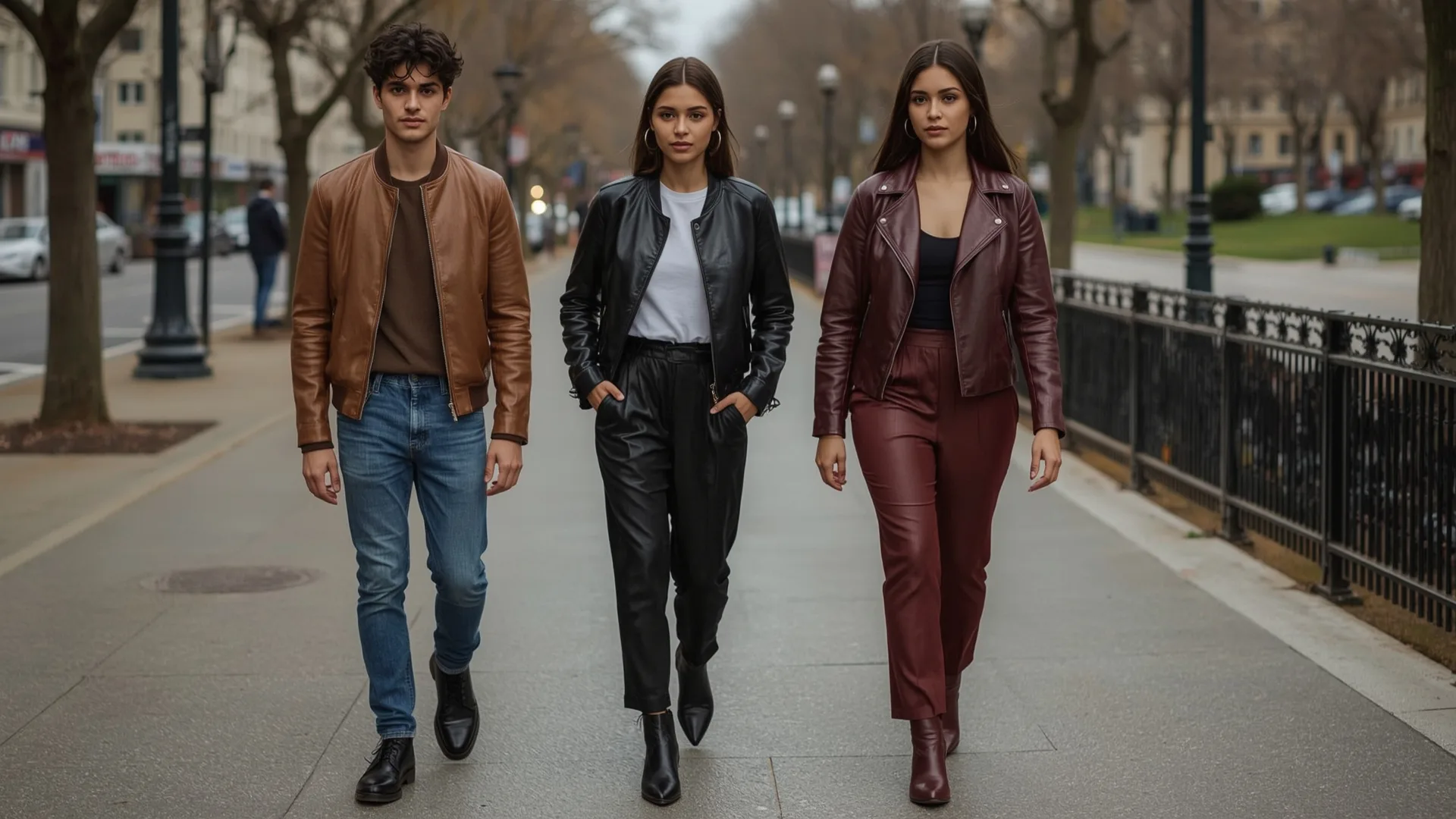

Leather Jacket Outfits: Styling Guide for Men & Women

What to Wear Under a Leather Jacket: The Ultimate Guide to Stylish Leather Jacket Outfits

Are you wondering what to wear under a leather jacket? This iconic wardrobe staple offers endless styling possibilities for both men and women. A well-chosen leather jacket can elevate any look, from casual outings to more sophisticated events. However, the key to truly mastering your leather jacket outfits lies in understanding what to wear underneath. The right base layer and accompanying pieces can transform your entire ensemble, ensuring comfort, style, and a cohesive aesthetic. In this comprehensive guide, we will explore various options for leather jacket styling, helping you create stunning looks that reflect your personal taste and the occasion.


Why Your Base Layer Matters for Leather Jacket Outfits

The foundation of any great leather jacket outfit is the base layer. This is the clothing item worn directly underneath your jacket. It plays a crucial role in both comfort and style. A well-chosen base layer can enhance your overall look. Conversely, a poor choice can detract from your appearance. Therefore, understanding this aspect of leather jacket styling is essential.

First, consider comfort. Leather jackets, especially new ones, can be stiff. The right base layer prevents chafing. It also helps regulate body temperature. For instance, a breathable fabric is ideal in warmer weather. In addition, a soft material feels pleasant against your skin. This ensures you feel good throughout the day.

Second, think about aesthetics. Your base layer contributes significantly to the visual appeal of your leather jacket outfit. It can add a pop of color or a subtle texture. It might also create a sleek silhouette. For example, a fitted top creates a streamlined look. However, a bulkier item might offer a more relaxed vibe. The choice depends on your desired outcome.

Third, versatility is key. A versatile base layer allows for multiple leather jacket outfit ideas. You can easily transition from day to night. You can also adapt to different occasions. This maximizes the utility of your leather jacket. Consequently, you get more wear out of your investment. This makes your wardrobe more efficient.

Finally, the base layer impacts the jacket’s longevity. Certain fabrics can cause friction. This might lead to premature wear on the jacket’s lining. Furthermore, some materials can transfer dyes. This could stain the inside of your leather. Choosing appropriate fabrics protects your jacket. As a result, your leather jacket will last longer. This is particularly important for a quality piece.


What to Wear Under a Leather Jacket: For Her

Styling a leather jacket for women offers incredible versatility. The key is selecting the right pieces to wear underneath. This section provides numerous leather jacket outfit ideas specifically for her. We will cover various styles and occasions. You can easily adapt these suggestions to your personal taste. As a result, you will create stunning leather jacket outfits.


Casual Leather Jacket Outfits for Women

For a relaxed, everyday look, casual pieces work best under a leather jacket. A simple t-shirt is a classic choice. White, black, or grey tees are timeless. They provide a clean backdrop for the jacket. You can also opt for graphic tees. This adds a touch of personality. Consider a striped long-sleeve top as well. It offers a bit more warmth and visual interest. Furthermore, a comfortable tank top is perfect for warmer days. It keeps you cool while looking chic.

Pair these tops with jeans or casual trousers. Sneakers or ankle boots complete the look. This creates effortless leather jacket outfits. For example, a white tee, blue jeans, and a black leather jacket is a go-to combination. It is simple yet stylish. This is an easy way to achieve a cool, laid-back vibe. It’s perfect for running errands or meeting friends for coffee.

Casual leather jacket outfits for women featuring a white tee and denim.

Smart-Casual Leather Jacket Outfits for Women

Elevate your leather jacket styling for smart-casual occasions. A blouse is an excellent option. Choose one in a soft fabric like silk or satin. A simple button-down shirt also works well. Tuck it into tailored trousers or a skirt. This creates a polished appearance. You can also wear a fine-knit sweater. A V-neck or crew neck style is suitable. Ensure it is not too bulky. This maintains a sleek silhouette under the jacket.

Consider pairing these tops with chinos or a pencil skirt. Loafers, ankle boots, or even elegant sneakers can work. This results in sophisticated leather jacket outfits. For instance, a silk blouse, black tailored trousers, and a fitted leather jacket is a smart choice. It is appropriate for a casual office environment or a dinner date. This look balances comfort and style effectively.


Edgy Leather Jacket Outfits for Women

Embrace your inner rebel with edgy leather jacket outfits. Layer your jacket over a band t-shirt. Distressed tees also fit this aesthetic. A mesh top can add an interesting texture. You might also consider a lace bralette peeking out from a slightly unzipped jacket. This adds a daring touch. Furthermore, a black turtleneck creates a sleek, mysterious look. It is both edgy and sophisticated.

Combine these tops with black skinny jeans or leather pants. Ripped denim also works well. Chunky boots or combat boots are the perfect footwear. Accessorize with silver jewelry or chain details. This completes the edgy leather jacket styling. For example, a band tee, black ripped jeans, and a black leather jacket with combat boots is a classic edgy look. It is perfect for concerts or a night out.


Elegant Leather Jacket Outfits for Women

A leather jacket can surprisingly complement elegant attire. Wear it over a slip dress. The contrast between the tough leather and delicate fabric is striking. A flowy midi skirt paired with a fitted top also works. Consider a lace top or a fine-gauge knit. These add a touch of sophistication. A tailored jumpsuit is another excellent option. The leather jacket adds an unexpected edge to formal wear.

Pair these outfits with heels or elegant flats. Delicate jewelry enhances the look. This creates refined leather jacket outfits. For instance, a black slip dress with a fitted leather jacket and heels is a chic evening look. It is unexpected and stylish. This demonstrates the versatility of leather jacket fashion.


What to Wear Under a Leather Jacket: For Him

Men’s leather jacket outfits can range from rugged and casual to sharp and sophisticated. The key is selecting the right pieces to layer underneath. This section provides a variety of leather jacket outfit ideas tailored for him. We will explore different styles and occasions. You can easily adapt these suggestions to your personal preference. As a result, you will create impressive leather jacket outfits.


Casual Leather Jacket Outfits for Men

For a relaxed, everyday look, casual pieces are ideal under a leather jacket. A simple crew neck t-shirt is a timeless choice. Solid colors like white, black, grey, or navy work well. They provide a clean foundation for the jacket. You can also choose a graphic tee. This adds a touch of personal style. Consider a long-sleeve t-shirt for cooler weather. It offers extra warmth and a casual vibe. Furthermore, a comfortable henley shirt is a great option. It adds a bit more detail than a standard tee.

Pair these tops with jeans or casual chinos. Sneakers, boots, or casual loafers complete the look. This creates effortless leather jacket outfits. For example, a grey t-shirt, dark wash jeans, and a brown leather jacket is a classic casual combination. It is easy to put together and looks great. This is a simple way to achieve a cool, laid-back style. It’s perfect for weekend activities or casual hangouts.


Smart-Casual Leather Jacket Outfits for Men

Elevate your leather jacket styling for smart-casual events. A button-down shirt is an excellent choice. Opt for fabrics like oxford cloth or chambray. A polo shirt can also work in warmer months. Tuck it into tailored trousers or chinos. This creates a more refined appearance. You can also wear a fine-gauge knit sweater. A V-neck or crew neck style is suitable. Ensure it is not too bulky. This maintains a clean line under the jacket.

Consider pairing these tops with chinos or wool trousers. Desert boots, loafers, or even clean, minimalist sneakers can work. This results in sharp leather jacket outfits. For instance, a light blue button-down shirt, khaki chinos, and a black leather jacket is a smart choice. It is appropriate for a casual Friday at work or a dinner date. This look effectively balances comfort and style.

Smart-casual leather jacket outfits for men with a button-down and chinos.

Rugged Leather Jacket Outfits for Men

Embrace a tough, masculine aesthetic with rugged leather jacket outfits. Layer your jacket over a flannel shirt. A thick, textured sweater also fits this style. Consider a denim shirt for a double-denim look (ensure the denim shades contrast). A thermal long-sleeve shirt is practical for colder weather and adds texture. Furthermore, a simple, sturdy t-shirt in a dark color works well.

Combine these tops with dark wash or distressed jeans. Cargo pants can also fit this aesthetic. Work boots or combat boots are the ideal footwear. Accessorize with a thick leather belt or a rugged watch. This completes the rugged leather jacket styling. For example, a red and black flannel shirt, dark wash jeans, and a distressed brown leather jacket with work boots is a classic rugged look. It is perfect for outdoor activities or a casual, tough appearance.


Sophisticated Leather Jacket Outfits for Men

A leather jacket can add an edge to sophisticated attire. Wear it over a dress shirt and tie. This unexpected combination can look very stylish. A fine-knit turtleneck sweater is another excellent option. It creates a sleek and modern look. Consider a cashmere sweater for added luxury. A tailored vest over a dress shirt can also work. The leather jacket adds a contemporary twist to classic pieces.

Pair these outfits with tailored trousers or dark, clean chinos. Dress shoes, Chelsea boots, or sleek loafers enhance the look. This creates refined leather jacket outfits. For instance, a black turtleneck sweater with black tailored trousers and a black leather jacket is a sharp, sophisticated look. It is perfect for a night out or a semi-formal event. This demonstrates the versatility of leather jacket fashion.


Layering Techniques for Your Leather Jacket

Layering is an art form when it comes to creating dynamic and functional leather jacket outfits. It allows you to adapt your look to varying temperatures and occasions. Effective layering also adds depth and interest to your ensemble. It transforms a simple jacket into a versatile fashion statement. Therefore, understanding proper layering techniques is crucial for maximizing your leather jacket styling potential.

Layering techniques for stylish leather jacket outfits.

The Art of Layering with a Leather Jacket

Successful layering begins with thin, breathable base layers. These should fit snugly without being restrictive. A lightweight t-shirt or a thin long-sleeve top is ideal. Avoid bulky fabrics directly against your skin. This prevents discomfort and an unflattering silhouette. Next, consider your mid-layer. This can be a shirt, a light sweater, or a hoodie. The mid-layer adds warmth and visual appeal. It should complement your base layer and your leather jacket.

When layering, pay attention to proportions. A longer top under a shorter jacket can create an interesting visual. However, ensure it doesn’t look messy. The goal is a cohesive and stylish appearance. Furthermore, mix textures for added interest. For example, a cotton tee under a wool sweater, topped with a leather jacket. This creates a rich, tactile experience. It makes your leather jacket outfit more engaging.

Consider the collar and neckline of each layer. A crew neck t-shirt under a V-neck sweater, with the leather jacket collar open, can look very chic. Similarly, a collared shirt peeking out from under a sweater and jacket adds a touch of sophistication. Experiment with different combinations. This helps you discover what works best for your personal leather jacket fashion.

Finally, remember that each layer should be able to stand alone. This means if you remove your jacket, your outfit still looks complete. This ensures versatility throughout the day. It also means you are prepared for any temperature changes. This thoughtful approach elevates your leather jacket outfits from ordinary to exceptional.


Seasonal Leather Jacket Layering

Layering with a leather jacket changes with the seasons. In spring and autumn, lighter layers are sufficient. A t-shirt or a thin sweater is often enough. You might add a light scarf for extra warmth. This allows for easy transitions between indoor and outdoor temperatures. It also keeps your leather jacket outfit comfortable.

During winter, strategic layering becomes essential. Start with a thermal base layer. Then, add a thicker sweater or a hoodie. A denim jacket or a flannel shirt can also serve as a mid-layer. This provides significant insulation. Ensure your leather jacket still fits comfortably over these layers. It should not feel too tight. This allows for freedom of movement.

For warmer climates or summer evenings, a leather jacket can still be worn. Opt for very light base layers. A thin cotton t-shirt or a sleeveless top is perfect. This provides a stylish touch without overheating. The jacket can be draped over your shoulders. This adds a fashionable element to your leather jacket outfit. It also offers a bit of warmth when the temperature drops.

In summary, seasonal layering is about adapting. It ensures your leather jacket remains a year-round staple. By adjusting your under-layers, you can wear your favorite leather jacket outfits in any weather. This makes your wardrobe more versatile and practical. It also showcases your understanding of leather jacket styling.


Accessorizing Your Leather Jacket Outfits

Accessories are the finishing touches that can truly elevate your leather jacket outfits. They add personality, color, and texture. The right accessories can transform a simple look into a statement. They allow you to express your individual style. Therefore, paying attention to these details is crucial for effective leather jacket styling. This section explores various accessories that complement a leather jacket.


Footwear to Complement Your Leather Jacket

Choosing the right footwear is essential for completing your leather jacket outfit. The style of shoe should match the overall vibe you are aiming for. For casual looks, sneakers are a great choice. Classic white sneakers offer a clean contrast. Canvas shoes provide a relaxed feel. Boots are another versatile option. Ankle boots work well for both men and women. Combat boots add an edgy touch. Chelsea boots offer a more refined look. For smart-casual or sophisticated outfits, consider loafers or dress shoes. Heels can also pair beautifully with a leather jacket for women. They add elegance to the look. The key is to ensure your footwear choice aligns with the rest of your leather jacket fashion.


Bags and Belts for Leather Jacket Styling

Bags and belts can significantly enhance your leather jacket outfits. A leather belt can tie together your look, especially if it matches your jacket or shoes. For women, handbags offer both functionality and style. A cross-body bag keeps your hands free. A clutch can elevate an evening look. Backpacks are suitable for casual or urban styles. For men, a simple leather belt is a classic accessory. A messenger bag or a backpack can complete a casual or smart-casual outfit. The material and color of the bag or belt should complement your jacket and other accessories. This creates a cohesive leather jacket styling.


Jewelry and Scarves for Leather Jacket Looks

Jewelry and scarves add personal flair to your leather jacket outfits. For an edgy look, consider silver or chunky jewelry. Layered necklaces or bracelets can add interest. For a more elegant style, delicate gold or silver pieces work well. Scarves are versatile accessories. A lightweight scarf can add a pop of color or pattern in warmer months. A thicker knit scarf provides warmth and texture in colder weather. Scarves can be draped, tied, or loosely wrapped. They add visual interest around the neckline. This enhances your overall leather jacket fashion. Experiment with different styles and materials to find what suits your leather jacket outfit ideas best.


Common Mistakes to Avoid When Styling Leather Jacket Outfits

While leather jacket outfits offer immense style potential, certain pitfalls can detract from your look. Avoiding these common mistakes ensures your ensemble remains polished and chic. Understanding what not to do is just as important as knowing what to do. This section highlights key errors to steer clear of in your leather jacket styling.

First, avoid overcrowding your silhouette. A leather jacket, especially a fitted one, looks best with streamlined layers underneath. Bulky sweaters or too many layers can create an unflattering, shapeless appearance. This can make you look larger than you are. Instead, opt for thinner, breathable fabrics. This maintains a sleek profile. Remember, less is often more when it comes to layering under your leather jacket.

Second, don’t neglect the fit of your base layer. A baggy t-shirt or an ill-fitting shirt can ruin the entire aesthetic. The fabric might bunch up uncomfortably under the jacket. This creates an untidy look. Ensure your tops fit well, neither too tight nor too loose. A proper fit allows for smooth layering. It also enhances the overall structure of your leather jacket outfit.

Third, be mindful of color clashes. While experimenting with colors is encouraged, some combinations can be jarring. For instance, pairing a bright, clashing color with a classic black or brown leather jacket can be distracting. Instead, consider complementary colors or a monochromatic palette. This creates a harmonious and sophisticated look. When in doubt, stick to neutrals or muted tones. They always work well with leather jacket fashion.

Fourth, don’t forget about the occasion. A leather jacket is versatile, but it’s not always appropriate. Wearing a casual leather jacket over a formal gown might look out of place. Similarly, a highly distressed jacket might not suit a business-casual setting. Always consider the dress code and context. Tailor your leather jacket outfit ideas accordingly. This ensures you are always appropriately dressed.

Fifth, avoid over-accessorizing. While accessories enhance your look, too many can overwhelm it. A leather jacket already makes a statement. Piling on excessive jewelry, scarves, or belts can make your outfit look cluttered. Choose a few key pieces that complement your leather jacket styling. This creates a balanced and refined appearance. Simplicity often speaks volumes.

Finally, don’t neglect the condition of your leather jacket. A worn-out, cracked, or poorly maintained jacket can instantly downgrade your entire outfit. Leather requires proper care to look its best. Regularly clean and condition your jacket. This preserves its appearance and extends its lifespan. A well-maintained jacket is a testament to good leather jacket fashion. It shows you value quality and style.

Diverse leather jacket outfits for different styles and occasions.

Maintaining Your Leather Jacket for Lasting Style

Your leather jacket is an investment. Proper care ensures it remains a stylish staple for years to come. Neglecting maintenance can lead to cracking, fading, and loss of its original appeal. Therefore, understanding how to care for your leather is crucial. This section provides essential tips for maintaining your leather jacket outfits and preserving your jacket’s quality.

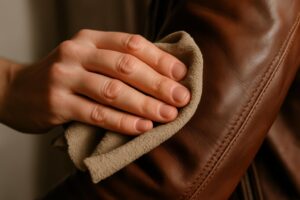
First, regular cleaning is vital. For light dust and dirt, simply wipe your jacket with a soft, damp cloth. For more stubborn stains, use a specialized leather cleaner. Always test the cleaner on an inconspicuous area first. This prevents potential damage or discoloration. Avoid harsh chemicals or abrasive materials. They can strip the leather of its natural oils. This leads to dryness and cracking.

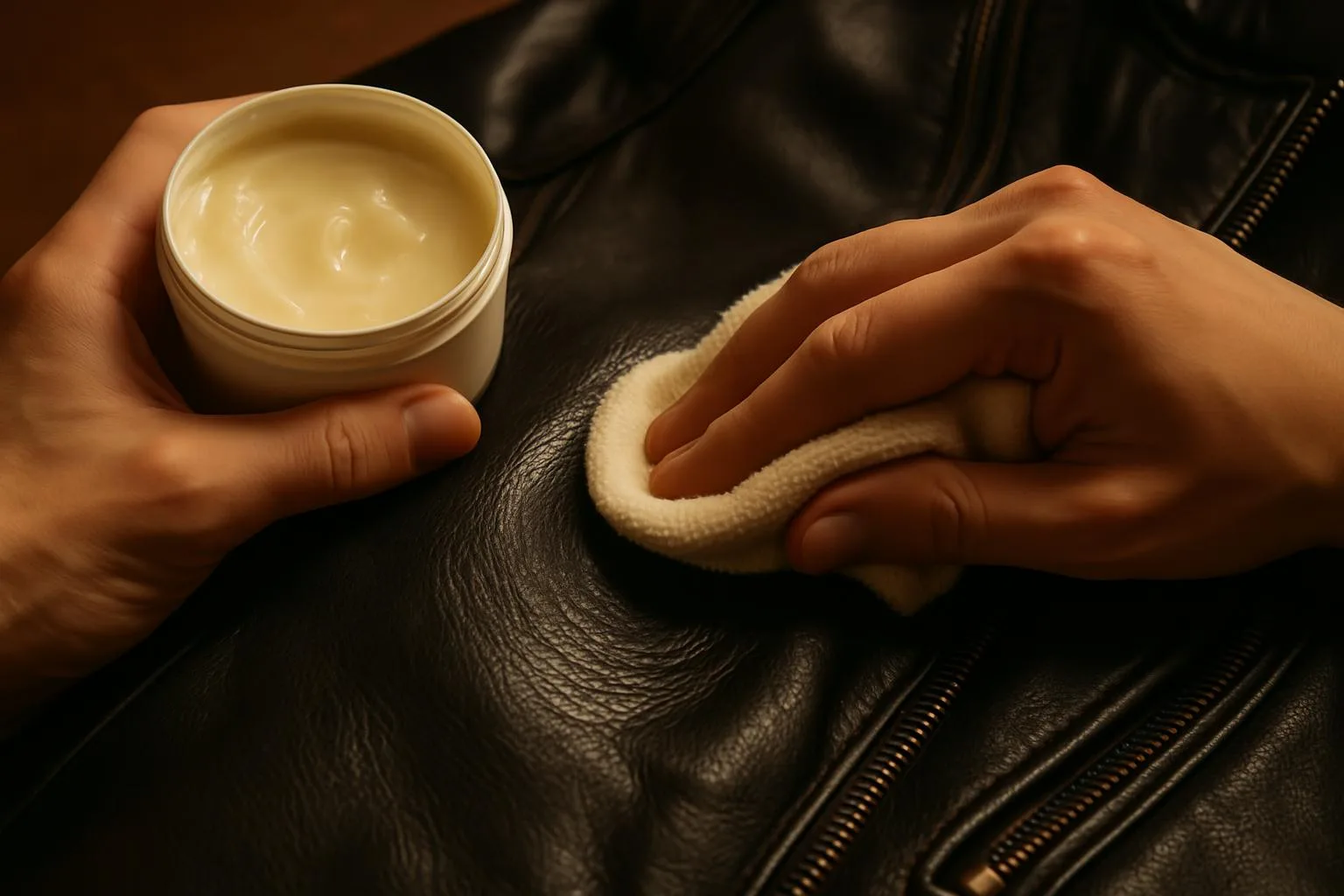
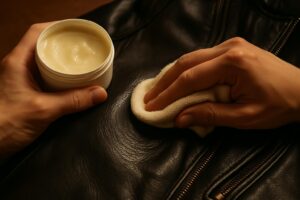
Second, conditioning your leather jacket is equally important. Leather, like skin, needs moisture to stay supple. A good leather conditioner replenishes lost oils. It prevents the leather from drying out and cracking. Apply conditioner every few months, or more frequently if you wear your jacket often. This keeps the leather soft and flexible. It also helps maintain its rich color. Regular conditioning extends the life of your leather jacket fashion piece.

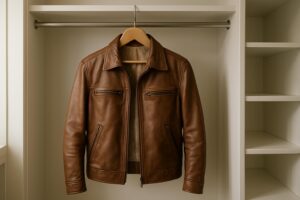
Third, proper storage is key. When not in use, hang your leather jacket on a wide, padded hanger. This helps maintain its shape. Avoid wire hangers, as they can distort the shoulders. Store your jacket in a cool, dry place. Protect it from direct sunlight and extreme temperatures. These can cause fading and cracking. Use a breathable garment bag. This protects it from dust while allowing air circulation. Never store your leather jacket in plastic bags. They can trap moisture and lead to mildew.

Fourth, protect your leather jacket from moisture. While some leather is water-resistant, it’s not entirely waterproof. If your jacket gets wet, gently blot away excess water with a clean cloth. Allow it to air dry naturally at room temperature. Never use direct heat sources like hairdryers. This can cause the leather to shrink and crack. For added protection, consider using a water-repellent spray designed for leather. This is especially useful if you live in a rainy climate.

Fifth, address minor damages promptly. Small scratches or scuffs can often be buffed out with a soft cloth. For deeper scratches, a leather repair kit might be necessary. Prompt attention prevents minor issues from becoming major problems. This preserves the aesthetic appeal of your leather jacket outfits. It also saves you from costly repairs down the line.

Finally, avoid overloading pockets. Heavy items can stretch and distort the leather. This can permanently alter the jacket’s shape. Distribute your belongings evenly. Or, use a bag for heavier items. This simple habit helps maintain the jacket’s silhouette. It ensures your leather jacket styling always looks sharp.

By following these maintenance tips, your leather jacket will remain a cherished item in your wardrobe. It will continue to enhance your leather jacket outfits for many years. A well-cared-for leather jacket is a timeless piece of leather jacket fashion.


Conclusion: Elevate Your Leather Jacket Outfits

Mastering what to wear under a leather jacket is an art. It transforms a simple garment into a versatile fashion statement. We have explored a wide array of leather jacket outfit ideas for both men and women. From casual comfort to sophisticated elegance, the possibilities are truly endless. The key lies in thoughtful layering and strategic accessorizing. Remember, your base layer sets the tone for your entire ensemble. It impacts both comfort and visual appeal. Furthermore, proper maintenance ensures your leather jacket remains a timeless piece. It will continue to elevate your style for years to come.

Embrace the versatility of this iconic piece. Experiment with different textures, colors, and styles. Don’t be afraid to mix and match. Your personal style should shine through. Whether you prefer a rugged look or a chic aesthetic, a leather jacket can adapt. It is a true wardrobe hero. By applying the tips and suggestions in this guide, you can confidently create stunning leather jacket outfits for any occasion. Elevate your leather jacket fashion today. Make every outfit a statement.

Accessories that complete your leather jacket outfit.

For more fashion insights and to stay updated on the latest trends, consider exploring reputable fashion blogs like Vogue or GQ. Additionally, for comprehensive care instructions and to ensure the longevity of your cherished leather piece, refer to guides from trusted leather manufacturers or experts, such as Leather Care Guide. These resources can provide invaluable information to keep your leather jacket outfits looking their best.

FAQ: What to Wear Under a Leather Jacket

Here are some common questions about leather jacket outfits and what to wear underneath:

Q1: What are the best fabrics to wear under a leather jacket?

A1: The best fabrics depend on the season and desired look. For comfort and breathability, cotton is an excellent choice. Think t-shirts, henleys, and light button-downs. Silk and satin blouses add a touch of elegance. Wool or cashmere sweaters provide warmth in colder weather. Avoid overly bulky fabrics that can create an unflattering silhouette under your leather jacket outfit.


Q2: Can I wear a hoodie under a leather jacket?

A2: Absolutely! Wearing a hoodie under a leather jacket is a popular and stylish choice for a casual, urban look. Opt for a thin to medium-weight hoodie to avoid excessive bulk. A neutral-colored hoodie, like grey, black, or white, often works best. This combination creates a relaxed yet edgy leather jacket outfit.


Q3: How do I choose the right size top to wear under my leather jacket?

A3: Your top should fit well, neither too tight nor too loose. A snug but comfortable fit is ideal, especially for base layers. This prevents bunching and ensures a smooth silhouette under your leather jacket. If you plan on layering thicker items, ensure your leather jacket has enough room to accommodate them without feeling restrictive. This is crucial for comfortable leather jacket styling.


Q4: What kind of shoes go well with leather jacket outfits?

A4: The footwear depends on the overall style of your leather jacket outfit. Sneakers (classic white, canvas) are perfect for casual looks. Boots (ankle, combat, Chelsea, work) are highly versatile and complement most leather jacket styles. For smart-casual or sophisticated ensembles, consider loafers, dress shoes, or elegant heels for women. Matching your shoes to the vibe of your leather jacket fashion is key.


Q5: Can I wear a dress under a leather jacket?

A5: Yes, wearing a dress under a leather jacket creates a chic and often edgy contrast. Slip dresses, flowy midi dresses, and even some tailored dresses can work beautifully. The leather jacket adds a touch of toughness to the femininity of the dress. This combination is a fantastic way to create unique and stylish leather jacket outfits for various occasions.


Call to Action

Ready to elevate your leather jacket outfits? Now that you have a wealth of leather jacket outfit ideas and styling tips, it’s time to put them into practice. Experiment with different base layers, explore various layering techniques, and find the accessories that best express your personal style. Your leather jacket is a versatile canvas; unleash your creativity!

Want more expert style advice and fashion tips delivered straight to your inbox? Subscribe to our newsletter and stay ahead of the trends. Don’t miss out on our latest guides and exclusive content on leather jacket fashion and more.

Have a favorite way to style your leather jacket? Or perhaps a question we didn’t cover? We’d love to hear from you! Comment below with your thoughts, ideas, and questions. Share your own successful leather jacket styling tips with our community.

Looking for more inspiration on styling your leather jacket? Check out our related posts, like 5 Celebrity Leather Jackets Looks You Can Easily Copy and Leather Jacket Investment: Why It’s Worth Every Penny. Dive deeper into the world of leather jacket outfits and discover new ways to wear your favorite piece.


Leather Jacket Investment: Why It’s Worth Every Penny

Why a Leather Jacket Investment is One of the Smartest Fashion Choices You Can Make

Introduction: More Than Just a Jacket

Picture this: you slip on a jacket, and suddenly, you feel different. More confident. More capable. Maybe even a little rebellious. That’s the unique power of a leather jacket. It’s not merely an item of clothing; it’s an attitude, a piece of history, and quite possibly, one of the smartest additions you can make to your wardrobe. Making a Leather Jacket Investment goes far beyond just buying another piece of outerwear; it’s about acquiring a companion that will journey with you for years, potentially even decades.

For generations, the leather jacket has been an icon of cool. Think Marlon Brando, James Dean, the Ramones, Amelia Earhart. It transcends fleeting trends, offering a timeless appeal that few other garments can match. But its value isn’t just skin-deep. A well-made leather jacket boasts incredible durability, often looking better as it ages, developing a unique patina that tells your story.

Furthermore, its versatility is legendary. Dress it up, dress it down – a leather jacket seamlessly adapts. It adds an edge to a simple t-shirt and jeans, brings sophistication to a casual dress, and provides a rugged counterpoint to smarter attire. This adaptability significantly lowers its cost per wear over time, making the initial price tag seem much more reasonable.

Therefore, this post aims to delve deep into why a leather jacket investment is truly worth considering. We’ll explore its enduring style, unmatched toughness, surprising versatility, and the tangible long-term value it offers. If you’ve ever wondered whether spending a bit more on quality leather is justified, read on. You might just discover your next favorite wardrobe staple.


Understanding the True Value: Why a Leather Jacket Investment Makes Sense

So, what truly elevates a leather jacket from a simple purchase to a genuine leather jacket investment? It boils down to a powerful combination of factors that few other garments can replicate. Specifically, we’re talking about its enduring style, remarkable toughness, and incredible adaptability. Let’s break down why these elements make it such a worthwhile addition to any wardrobe.

Beyond Trends: The Enduring Appeal of a Leather Jacket Investment

Fashion is notoriously fickle. Trends come and go with dizzying speed. However, amidst this constant change, the leather jacket remains a steadfast anchor of style. Its appeal isn’t tied to a specific season or fleeting fad; instead, it possesses an inherent coolness that has resonated for over a century. This makes a leather jacket investment a choice for longevity, not just a season.

Consider its origins. Early leather jackets, like the flight jackets worn by aviators in the early 1900s, were born from necessity. They needed to be warm, protective, and durable. Consequently, this functional design laid the groundwork for an item built to last, both physically and stylistically.

Then came Hollywood. Icons like Marlon Brando in “The Wild One” (1953) cemented the leather jacket, specifically the Schott Perfecto model, as a symbol of rebellion and effortless cool. James Dean further amplified this image. As a result, the jacket became synonymous with a certain anti-establishment attitude, a vibe that continues to echo today.

But its appeal isn’t limited to rebels. Musicians, from rock stars like the Ramones to pop icons, adopted it. Fashion designers continually reinterpret it. Consequently, it remains relevant across diverse subcultures and style preferences. It’s a timeless fashion piece that refuses to be pigeonholed.

Investing in a leather jacket means buying into this legacy. You’re not just getting fabric and stitching; you’re acquiring a piece of cultural history. Moreover, unlike that trendy item that might feel dated next year, your leather jacket investment will likely look just as relevant, if not more characterful, a decade from now.


Built to Last: The Unmatched Durability of Leather

Another crucial factor making a leather jacket investment so sound is its sheer toughness. Leather is, fundamentally, skin. It’s a natural material designed by nature to protect. Therefore, when properly tanned and crafted, it becomes an exceptionally durable outerwear option.

Think about other common jacket materials. Denim is sturdy, certainly, but can wear thin or tear, especially at stress points like elbows and cuffs. Synthetic materials might offer water resistance but often lack breathability and can degrade, peel, or crack over time, particularly lower-quality faux leathers.

High-quality leather, conversely, is incredibly resilient. It resists punctures, tears, and abrasions far better than most textiles. While it requires care (which we’ll discuss later), it’s fundamentally built for the long haul. Many people own and wear leather jackets passed down through generations – a testament to their longevity.

Furthermore, leather possesses a unique quality: it ages beautifully. Unlike synthetic materials that often look worse with wear, leather develops a patina. This subtle sheen, combined with the softening of the material and the unique creases and marks acquired through use, adds character. Your jacket doesn’t just get old; it evolves and tells the story of your adventures.

This inherent durability directly impacts its value as an investment. A jacket that lasts for 10, 20, or even more years offers significantly more utility than one needing replacement every few seasons. It withstands daily wear and tear, making it a practical choice, not just a stylish one.


The Versatility Factor: One Jacket, Countless Looks

Finally, let’s talk versatility. A key reason a leather jacket investment pays dividends is its incredible ability to adapt to different styles and occasions. It’s a true versatile wardrobe staple, capable of transforming an outfit instantly.

Consider the possibilities. Throw it over a simple white t-shirt and jeans? Instantly cooler, adding a touch of edge. Pair it with a floral dress? It provides a perfect contrast, toughening up a feminine look. Need something for a smart-casual event? A well-fitting leather jacket can often replace a blazer, offering a more modern and less formal vibe.

Its adaptability extends across different aesthetics too. A classic black biker jacket suits edgy, rock-inspired looks. However, a sleek bomber style in brown leather can feel more relaxed and preppy. A minimalist café racer design offers clean lines suitable for more sophisticated outfits. The specific style influences the overall look, but the core versatility remains.

This means you get more wear out of it. It isn’t confined to specific weather or occasions like, for example, a heavy parka or a formal suit jacket might be. You can reach for your leather jacket on cool spring evenings, crisp autumn days, and even layered in winter. This frequent usability is central to its value proposition.

In essence, a single leather jacket investment can serve the function of multiple, less versatile pieces. It simplifies your wardrobe while simultaneously expanding your styling options. This combination of timeless appeal, rugged durability, and chameleon-like versatility forms the bedrock of why it’s such a smart choice for the long term.

Classic black biker leather jacket investment showcasing timeless style and quality craftsmanship.

Calculating the Real Cost: Your Leather Jacket Investment Over Time

The initial price tag of a quality leather jacket can certainly seem high. Compared to fast-fashion alternatives, it represents a significant upfront cost. However, viewing this purely as an expense misses the bigger picture. To truly understand the economics, we need to think in terms of a leather jacket investment and consider its value over its entire lifespan.

This involves looking beyond the purchase price and evaluating factors like how often you’ll wear it and its potential value retention. Consequently, when you analyze the numbers, the initial cost often proves surprisingly justifiable.


Cost Per Wear: How Your Leather Jacket Investment Pays for Itself

One of the most compelling financial arguments for a quality leather jacket is the concept of cost per wear (CPW). This simple calculation (Total Cost ÷ Number of Wears) reveals the true cost of an item each time you use it. For durable, versatile items like a leather jacket, the CPW can become remarkably low over time.

Let’s illustrate. Imagine a trendy, lower-quality jacket costs $100. You might wear it 20 times over one or two seasons before it wears out or goes out of style. The CPW is $5 ($100 / 20 wears). Now, consider a quality leather jacket investment costing $500. This might seem steep initially.

However, due to its durability and timeless style, you could easily wear this jacket 50 times a year for 10 years (that’s 500 wears). Suddenly, the CPW drops to just $1 ($500 / 500 wears). Over 20 years (1000 wears), it’s a mere $0.50 per wear. As a result, the initially more expensive jacket becomes far cheaper in the long run.

This highlights the long-term value clothing aspect. Fast fashion often focuses on low initial prices but requires frequent replacement, leading to higher cumulative costs. Conversely, investing in quality pieces like a leather jacket means buying less often. This approach is not only more economical but also more sustainable.

Calculating the exact CPW for your potential leather jacket investment requires estimating how often you’d realistically wear it. Given its versatility – suitable for various seasons and occasions – the number of wears can accumulate quickly. Therefore, the high initial outlay is amortized over many years of use, making it a financially sound decision for many.


Resale Value: A Potential Return on Your Investment

Another financial aspect often overlooked is the potential resale value. Unlike many clothing items that become virtually worthless once used, a high-quality leather jacket can retain a significant portion of its value, especially if it’s a classic style from a reputable brand.

Think about the thriving market for vintage clothing. Well-maintained leather jackets are highly sought after. The patina and character they develop over time can actually increase their appeal to some buyers. This means your leather jacket investment isn’t just an expense; it’s potentially an asset.

While you shouldn’t buy a jacket solely as a financial investment hoping for appreciation, its ability to hold value provides a safety net. If your style changes or you decide to upgrade years down the line, you can likely recoup some of your initial cost. This is rarely the case with cheaper, mass-produced garments.

Factors influencing resale value include the brand, the quality of the leather and construction, the condition of the jacket, and the timelessness of its design. Classic styles like biker jackets, bombers, or café racers tend to hold their value better than more trend-driven designs. Furthermore, proper care significantly impacts its potential resale price.
Therefore, when considering the overall cost, factoring in potential resale value further strengthens the argument for a quality leather jacket investment. It mitigates the financial risk and underscores the idea that you’re purchasing an item with inherent, lasting worth.

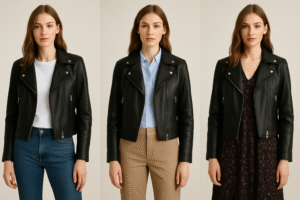
Demonstrating the versatility of a leather jacket: a versatile wardrobe staple styled for casual, smart, and edgy looks.

Quality Matters: Ensuring Your Leather Jacket Investment Lasts

Not all leather jackets are created equal. The difference between a jacket that lasts a few years and one that becomes a lifelong companion often comes down to quality. Making a smart leather jacket investment requires understanding what constitutes genuine quality, from the hide itself to the smallest details of construction. Rushing this decision can lead to disappointment down the line.

Therefore, learning to spot the hallmarks of a well-made jacket is crucial. It empowers you to look beyond the brand name or price tag and assess the intrinsic value. Furthermore, understanding the distinction between real and faux leather is fundamental to making an informed choice that aligns with your expectations for durability and longevity.


Spotting Quality: What to Look For in Your Leather Jacket Investment

Assessing leather jacket quality involves examining several key components. Paying attention to these details will significantly increase your chances of securing a piece that truly justifies the leather jacket investment.

  • The Leather Itself: This is paramount. Feel the leather. High-quality leather, particularly full-grain or top-grain, should feel substantial yet supple. Full-grain leather, the highest grade, uses the entire hide surface, retaining natural imperfections and offering maximum durability and breathability. It develops the best patina over time. Top-grain is slightly processed to remove imperfections but remains very durable. Avoid “genuine leather” (often lower quality splits) or “bonded leather” (essentially leather scraps glued together) if longevity is your primary goal. The leather should have a pleasant, natural smell, not a strong chemical odor.
  • Stitching: Examine the seams closely. Quality jackets feature tight, even stitches with a high stitch density (more stitches per inch). This indicates careful construction and adds strength. Look for reinforced stitching at stress points like shoulders, armholes, and pocket corners. Loose threads, uneven lines, or low stitch density are red flags, suggesting rushed production and potential weak points.
  • Lining: The interior matters too. A quality lining, often made of durable materials like cotton, rayon (like Bemberg), or even silk blends, enhances comfort and longevity. It should be neatly sewn without pulling or bunching. Cheaper jackets might use flimsy polyester linings that can tear easily or feel uncomfortable against the skin.
  • Hardware: Zippers, snaps, and buttons should feel solid and operate smoothly. Reputable manufacturers often use high-quality hardware from brands like YKK, RiRi, or Talon. Flimsy, lightweight zippers that catch or rough-edged snaps suggest cost-cutting measures that can lead to frustrating failures later on. Check that hardware is securely attached.
  • Cut and Construction: A well-made jacket has a thoughtful cut that allows for movement without being overly baggy. Panels should be matched carefully, especially if there’s a distinct grain pattern. Fewer large panels generally indicate higher quality than many small pieces stitched together, as seams are potential points of weakness. Overall construction should feel robust.

Taking the time to check these elements moves you beyond surface appearances. Consequently, you can better gauge whether a particular jacket represents a genuine, lasting leather jacket investment.


Real vs. Faux: Making the Right Choice for Your Leather Jacket Investment

The debate between real vs faux leather is common when considering a jacket purchase. While high-quality faux leather (often called vegan leather or pleather) has improved significantly, there are fundamental differences that impact its suitability as a long-term leather jacket investment.

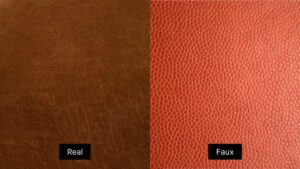
  • Durability and Aging: Real leather, especially full-grain, is exceptionally durable and ages gracefully, developing character (patina). Faux leather, typically made from plastic coatings (like polyurethane or PVC) on a fabric base, is generally less durable. It doesn’t develop patina; instead, it can crack, peel, or delaminate over time, especially with frequent wear or exposure to sunlight and temperature changes. For longevity, real leather usually wins.
  • Breathability and Comfort: Leather is a natural material and possesses some breathability, making it more comfortable to wear over extended periods. Most faux leathers are essentially plastic and lack breathability, which can lead to feeling clammy or sweaty.
  • Feel and Appearance: High-quality real leather has a unique feel, weight, and smell that synthetics struggle to replicate perfectly. While good faux leather can look convincing initially, the way it drapes, creases, and ages differs significantly from the real thing.
  • Care: Both require care, but methods differ. Real leather needs conditioning to prevent drying out. Faux leather generally requires simpler cleaning but can be irreparable if the plastic coating gets damaged.
  • Cost: Faux leather is almost always cheaper upfront than comparable real leather jackets. This makes it accessible, but its shorter lifespan might negate the initial savings if replacement is needed sooner.
  • Ethical and Environmental Considerations: This is complex. Real leather involves animal products, raising ethical concerns for some. However, faux leather is often petroleum-based plastic, raising environmental concerns about production and disposal (microplastics). Ethically sourced real leather (a byproduct of the meat industry) or innovative plant-based vegan leathers offer alternatives addressing some of these concerns. Choosing real leather for its longevity can also align with sustainable ‘buy less, choose well’ principles.

Ultimately, the choice depends on your priorities. If budget is tight or you have strong ethical objections to animal products, high-quality faux leather might be suitable for shorter-term style. However, if you prioritize durability, longevity, comfort, and the unique aging process as key components of your leather jacket investment, real leather remains the superior choice for long-term value.

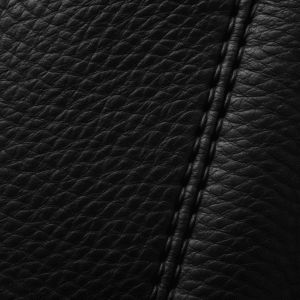
Close-up detail of leather jacket quality: full-grain texture and precise stitching indicating durability.

The Confidence Factor: How a Leather Jacket Elevates Your Style and Presence

A leather jacket offers more than just physical protection or timeless style; it possesses a unique ability to boost confidence and alter perception. Slipping one on can genuinely change how you feel and how others see you. This psychological impact is a significant, albeit less tangible, part of the value derived from a leather jacket investment.

It’s tied to decades of cultural association – rebellion, adventure, effortless cool. Consequently, wearing one allows you to borrow a piece of that iconic energy. Let’s explore how this works.


The Psychology of Style: Wearing Confidence

Clothing has a well-documented effect on our mindset, a concept sometimes called “enclothed cognition.” Certain garments become associated with specific traits or roles, and wearing them can subtly influence our behavior and self-perception. The leather jacket is a prime example.

Historically, it’s been linked to figures who defy convention: pilots pushing boundaries, bikers embracing freedom, rock stars challenging norms. As a result, wearing a leather jacket can tap into these associations, making the wearer feel bolder, more assertive, or perhaps just a little more interesting.

This isn’t just about external perception; it’s internal too. The physical feel of a quality leather jacket – its weight, its structure, the way it molds to your body over time – can provide a sense of grounding and security. It feels substantial, protective. This tactile experience contributes to the feeling of confidence it often imparts.

Furthermore, knowing you’re wearing a classic, well-regarded piece can enhance self-assurance. It eliminates wardrobe second-guessing. A good leather jacket often feels inherently “right,” simplifying style choices and allowing you to focus on other things. This ease contributes to an overall confident demeanor.


Making a Statement Without Saying a Word

Beyond internal feelings, a leather jacket communicates powerfully to the outside world. It’s a visual shorthand, capable of conveying personality and attitude instantly. This makes it a valuable tool for self-expression and a key part of why it’s considered a versatile wardrobe staple with impact.

Depending on the style and how it’s worn, a leather jacket can project different messages. A sharp biker jacket might signal edginess and independence. A tailored leather blazer could suggest modern professionalism with a creative flair. A worn-in bomber might speak of a relaxed, adventurous spirit.

This ability to make a statement is part of its enduring appeal. In a world saturated with fleeting trends, the leather jacket offers a way to project a sense of substance and timeless cool. It suggests you value quality and possess a certain discerning taste.

Moreover, it often acts as a focal point in an outfit. It draws the eye and anchors the look. This commanding presence is why it’s often considered a “power piece.” It helps you stand out subtly, projecting an image of someone who is self-assured and knows their style.

Therefore, the confidence boost and communicative power of a leather jacket add another layer to its worth. It’s not just about looking good; it’s about feeling capable and expressing your identity effectively – intangible benefits that enhance the overall value of your leather jacket investment.

Demonstrating the versatility of a leather jacket: a versatile wardrobe staple styled for casual, smart, and edgy looks.

Protecting Your Asset: Maintaining Your Leather Jacket Investment

A high-quality leather jacket is built to last, but its incredible longevity isn’t entirely automatic. Proper care and maintenance are essential to protect your leather jacket investment and keep it looking its best for years, even decades. Neglecting care can lead to drying, cracking, staining, or loss of shape, diminishing both its appearance and lifespan.

Fortunately, leather jacket care isn’t overly complicated. Consistent, basic attention can make a huge difference. Think of it like maintaining any valuable asset – a little effort goes a long way in preserving its worth and usability. Let’s cover the essentials for keeping your jacket in prime condition.


Essential Care Tips for Your Leather Jacket Investment

Regular maintenance is key to maximizing the life of your leather jacket investment. Here are the fundamental practices:

  • Keep it Clean: Dust and dirt can be abrasive. Wipe your jacket down periodically with a soft, dry cloth or a slightly damp cloth for minor surface dirt. Avoid soaking the leather. For more significant grime or light stains, use a cleaner specifically designed for leather. Always test any cleaning product on an inconspicuous area first (like inside a cuff or hem).
  • Condition Regularly: Leather is a natural skin and can dry out over time, especially if exposed to sun or dry air. Conditioning replenishes its natural oils, keeping it supple and preventing cracks. Use a quality leather conditioner 1-2 times per year, or more often if you live in a very dry climate or wear the jacket frequently in harsh conditions. Apply conditioner sparingly with a soft cloth, let it absorb, then buff off any excess. Again, test first.
  • Handle Moisture Properly: While leather offers some natural water resistance, it’s not waterproof. Avoid wearing your jacket in heavy rain if possible. If it does get wet, don’t panic. Gently blot away excess water with a soft cloth. Then, let it air dry naturally at room temperature, away from direct heat sources like radiators or hairdryers. Stuffing the sleeves with paper can help it retain shape. Never store a damp leather jacket.
  • Store Correctly: Proper storage prevents damage and helps maintain shape. Hang your leather jacket on a wide, padded hanger to support the shoulders and prevent stretching or creasing. Avoid thin wire hangers. Store it in a cool, dry place with good air circulation. Don’t store it in a plastic bag or airtight container, as leather needs to breathe. A breathable garment bag is acceptable for long-term storage to protect from dust.
  • Address Stains Promptly: Deal with spills or stains as quickly as possible. Blot liquids immediately – don’t rub, as this can spread the stain. Specific stain removal techniques depend on the type of stain (e.g., oil, ink). Consult reliable leather care guides or professionals for specific stain treatments. Avoid harsh household cleaners.

Following these basic leather jacket care steps consistently will significantly extend the life and beauty of your leather jacket investment.

When to Seek Professional Help

While routine care can be handled at home, some situations warrant professional attention. Attempting complex repairs or deep cleaning without expertise can sometimes do more harm than good.

Consider seeking help from a leather care specialist or a reputable dry cleaner experienced with leather for:

  • Deep Cleaning: If your jacket is heavily soiled or has absorbed odors.
  • Stubborn Stains: For difficult stains like ink, paint, or unknown substances.
  • Significant Damage: Tears, rips, broken zippers, or lining replacement often require professional repair techniques and tools.
  • Restoration: If an older jacket needs significant conditioning, color restoration, or structural repairs.

Professionals have access to specialized products and techniques that can safely address these issues. While it involves an extra cost, professional care can be a worthwhile investment to salvage or restore a valuable piece, further protecting your initial leather jacket investment.

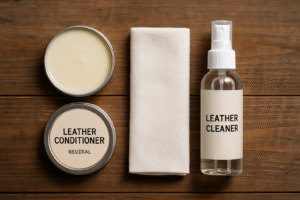
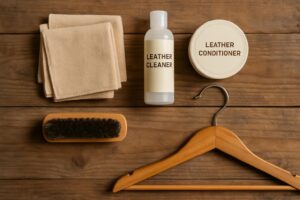
Essential leather jacket care products including conditioner and cleaner to maintain your investment.

Sustainability and Ethical Considerations in Your Leather Jacket Investment

In today’s world, conscious consumerism is increasingly important. When considering any significant purchase, including a leather jacket investment, it’s natural to think about its environmental and ethical footprint. The conversation around leather can be complex, involving aspects of animal welfare, resource use, and waste.

However, viewing a quality leather jacket through the lens of sustainability offers an interesting perspective. Its inherent longevity can align surprisingly well with principles of slow fashion and reducing overall consumption. Let’s explore these considerations.


The Longevity Argument: Buying Less, Choosing Well

The fast fashion industry thrives on rapid cycles of production and consumption, leading to enormous amounts of textile waste. Items are often designed to be worn only a few times before being discarded. In contrast, a core principle of sustainable fashion is “buy less, choose well, make it last.”

A durable, high-quality leather jacket investment fits perfectly into this philosophy. Because it can last for decades, it drastically reduces the need to repeatedly buy new jackets. Instead of purchasing several cheaper, less durable jackets over ten years, you invest once in a piece designed for longevity.

This significantly cuts down on the resources consumed and waste generated compared to frequently replacing outerwear. By choosing a long-term value clothing item like a well-made leather jacket, you are actively opting out of the disposable fashion cycle. Its durability directly translates into a lower environmental impact over its extended lifespan, simply because fewer items need to be produced and discarded.

Furthermore, as leather ages and develops patina, it often gains character, encouraging owners to keep and cherish it rather than seeking novelty. This emotional connection also contributes to reduced consumption. Therefore, the very durability that makes it a good financial investment also makes it a potentially more sustainable choice compared to multiple short-lived alternatives.


Ethical Sourcing and Alternatives

The primary ethical concern surrounding leather is, of course, its origin as an animal product. It’s important to acknowledge this. However, much of the leather used in fashion is a byproduct of the meat and dairy industries. This means the hides would likely exist regardless of the demand for leather goods. Utilizing these hides prevents them from becoming waste.

Consumers seeking more ethically produced options can look for brands transparent about their sourcing. Some companies prioritize leather from sources with higher animal welfare standards or use tanning processes with lower environmental impacts (like vegetable tanning instead of chrome tanning, which uses heavy metals).

For those who prefer to avoid animal products altogether, the market for vegan leather has grown substantially. While early faux leathers were often low-quality plastics (PVC), newer alternatives use different materials, including plant-based sources like pineapple leaves (Piñatex), mushrooms (mycelium leather), or cork. The quality and durability of these alternatives vary, but high-end options are improving.

When considering real vs faux leather from an ethical standpoint, it’s a nuanced decision. Traditional faux leather (PU/PVC) has its own environmental drawbacks related to plastic production and disposal. High-quality vegan alternatives might offer a better solution for some. However, the sheer longevity of a well-cared-for real leather jacket investment still presents a strong argument for sustainability through reduced consumption.

Ultimately, making an informed choice involves weighing these factors based on your personal values and priorities. Researching brands and materials allows you to align your leather jacket investment with your ethical stance.


Frequently Asked Questions (FAQ) About Making a Leather Jacket Investment

Here are answers to some common questions people have when considering a leather jacket investment:

Q1: Is a leather jacket investment really worth the high price?

A: Absolutely, when you consider the long-term value. While the upfront cost can be higher than other jackets, a quality leather jacket investment pays off through exceptional durability and timeless style. Unlike fast fashion items, it won’t need replacing every season. Calculating the cost per wear often reveals it’s more economical over time than buying multiple cheaper jackets. Plus, it’s a versatile wardrobe staple that remains fashionable for decades.

Q2: How long does a good quality leather jacket last?

A: A high-quality leather jacket, made from durable materials like full-grain leather and constructed well, can easily last 10-20 years, and potentially even a lifetime with proper leather jacket care. Its longevity is a key factor making it such a sound investment. Factors like the type of leather, frequency of wear, and maintenance routine all influence its exact lifespan, but durable outerwear like this is built to endure.

Q3: What’s the difference in value between real and faux leather jackets?

A: The main difference lies in durability and aging. Real leather is generally much more durable and develops a unique patina over time, enhancing its character. Faux leather (real vs faux leather) is less durable, prone to cracking or peeling, and doesn’t age in the same way. While faux leather is cheaper initially, real leather typically offers better long-term value and is often considered the superior leather jacket investment due to its longevity and feel.

Q4: How do I know if I’m buying a quality leather jacket?

A: Assessing leather jacket quality involves checking several things. Examine the leather itself – full-grain or top-grain is best. Look for tight, even stitching, especially at stress points. Check the quality of the hardware (zippers, snaps) – they should feel solid and work smoothly. A good lining and thoughtful construction are also indicators. Don’t rely solely on brand or price; inspect these details to ensure a worthwhile leather jacket investment.

Q5: Can a leather jacket investment fit into a sustainable wardrobe?

A: Yes, surprisingly well. The core idea of sustainability is buying less and choosing items that last. A durable leather jacket investment perfectly embodies this. Its longevity means you consume less over time compared to replacing cheaper jackets frequently. While ethical considerations around real vs faux leather exist, choosing a long-lasting real leather jacket (especially one sourced as a byproduct) aligns with slow fashion principles and reduces overall textile waste, making it a potentially sustainable choice.


Conclusion: Why Your Wardrobe Needs a Leather Jacket Investment

Throughout this exploration, we’ve seen compelling evidence supporting the idea that a quality leather jacket is far more than just another piece of clothing. It represents a genuine leather jacket investment – a decision that pays dividends in style, durability, and long-term value. Its ability to transcend fleeting trends ensures it remains relevant year after year, unlike so many items destined for the back of the closet.

The unmatched durability of well-crafted leather means you’re acquiring a companion built for the long haul. It withstands the rigors of daily life and often improves with age, developing a unique character that reflects your personal journey. This longevity drastically lowers the cost per wear, making the initial outlay seem far more reasonable when viewed over years, or even decades, of use.

Furthermore, its incredible versatility allows it to adapt to countless outfits and occasions, maximizing its utility and ensuring it rarely feels out of place. From adding edge to casual looks to providing a modern alternative to formal outerwear, it’s a true versatile wardrobe staple. Add to this the undeniable confidence boost it provides and its potential to retain value, and the case becomes even stronger.

Compared to the cycle of buying and discarding cheaper, less durable fast fashion items, choosing a leather jacket investment aligns with a more sustainable, considered approach to building a wardrobe. It’s about choosing quality over quantity, longevity over disposability.

Finding the right leather jacket – one that fits well, suits your style, and is made with quality materials – might take time and research. However, the rewards are substantial. It’s an investment in your personal style, your confidence, and a piece of enduring craftsmanship that you can rely on for years to come.


Call to Action (CTA)

What are your thoughts on making a leather jacket investment? Do you have a beloved leather jacket with its own story? Share your experiences and favorite styling tips in the comments below! We’d love to hear from you.

If you found this guide helpful, consider subscribing for more style insights and tips on building a lasting wardrobe. And don’t forget to check out our related post — 5 Celebrity Leather Jacket Looks You Can Easily Copy — for more inspiration!

5 Celebrity Leather Jackets Looks You Can Easily Copy

5 Celebrity Leather Jackets Looks You Can Easily Copy

There’s just something undeniably cool about a leather jacket, isn’t there? It’s a timeless piece that instantly adds an edge, a touch of rebellion, or even sophisticated polish to almost any outfit. For decades, style icons and Hollywood stars have shown us just how versatile this wardrobe staple can be. Indeed, celebrity leather jackets often set the trends, giving us endless inspiration.

But sometimes, seeing a perfectly styled celebrity look can feel intimidating. You might wonder, “Could I actually pull that off?” The answer is absolutely yes! Many iconic celebrity leather jacket styles are surprisingly easy to replicate. As a result, you can channel that star power without needing a Hollywood stylist.

In this post, we’ll break down five distinct celebrity leather jackets looks, from classic cool to modern chic. Furthermore, we’ll give you practical tips and outfit ideas so you can confidently copy these styles yourself. Get ready to find your next favorite leather jacket outfit!

1. Tom Cruise’s Iconic Maverick: A Timeless Celebrity Leather Jacket

When you think of iconic movie jackets, Tom Cruise’s G-1 flight jacket from Top Gun undoubtedly comes to mind. This particular celebrity leather jacket became an instant classic back in the ’80s. Moreover, its appeal hasn’t faded one bit, especially with the resurgence brought by Top Gun: Maverick.

Why This Celebrity Leather Jacket Look Endures

What makes the Maverick jacket so special? Firstly, it’s steeped in history and symbolism. The G-1 flight jacket, often adorned with military patches, represents adventure, bravery, and a certain rugged American spirit. The shearling collar adds warmth and a distinctive visual touch.

Secondly, the bomber silhouette itself is incredibly versatile and flattering on many body types. It’s functional, comfortable, and exudes effortless cool. Consequently, this celebrity leather jacket look connects with a sense of nostalgia while still feeling relevant today. It’s more than just clothing; it’s a piece of cultural history.

How to Copy This Celebrity Leather Jacket Style

Recreating this look is simpler than you might think. You don’t necessarily need the exact screen-accurate jacket (though replicas exist!). Instead, focus on capturing the essence of the style. Here’s what you need:

  • The Jacket: Look for a brown or dark brown leather bomber jacket. Key features to seek are a shearling or faux-shearling collar and possibly some patch details (or add your own!). A G-1 or A-2 flight jacket style is ideal.
  • The Base: Keep it simple underneath. A classic plain white crewneck t-shirt is perfect.
  • The Bottoms: Stick to timeless straight-leg or slim-fit blue jeans. Avoid anything too trendy or distressed.
  • The Accessories: Aviator sunglasses are practically mandatory to complete the Maverick vibe.

Styling-wise, the key is simplicity. Let the celebrity leather jacket be the star. Ensure the jacket fits well – not too tight, not overly baggy. You can find similar styles in vintage shops, military surplus stores, or from brands offering modern interpretations. Remember, confidence is the final accessory!

Tom Cruise wearing his iconic Maverick celebrity leather jacket bomber from Top Gun.


2. Emma Watson’s Moto Magic: Effortless Celebrity Leather Jacket Chic

Moving from the skies to the streets, Emma Watson showcases a completely different, yet equally compelling, way to wear a leather jacket. Her style is often described as effortlessly chic, blending classic pieces with a modern sensibility. Consequently, a well-fitting moto jacket is a frequent staple in her wardrobe, demonstrating how versatile celebrity leather jackets can be.

The Appeal of the Moto Celebrity Leather Jacket

The leather moto jacket (or biker jacket) is another undisputed classic. Its defining features usually include an asymmetrical zipper, wide lapels, zippered pockets, and often a belted waist. Originally designed for motorcyclists, it carries an inherent edge.

However, as Emma Watson proves, the moto jacket isn’t just for rebels. It can be surprisingly polished and versatile. You can easily dress it down for a casual day or dress it up for a smart-casual event. This adaptability makes it a fantastic investment piece. Furthermore, the structure of a moto celebrity leather jacket often adds a flattering shape to an outfit.

Recreating Emma’s Celebrity Leather Jacket Outfit

Emma Watson often pairs her moto jacket with simple, classic pieces, letting the jacket provide the main point of interest. To achieve her look, consider these elements:

  • The Jacket: Choose a classic black or brown leather moto jacket. Focus on a good fit – it should be relatively close-fitting but allow for layering a light top underneath.
  • The Top: Opt for something simple and refined. Think a crisp white collared shirt, a fine-knit sweater, a simple t-shirt, or even a Breton striped top.
  • The Bottoms: Tailored trousers, dark wash skinny or straight-leg jeans work perfectly. You could also layer the jacket over a simple dress or skirt.
  • The Shoes: Ankle boots (like Chelsea boots), classic loafers, or even simple flats complement the look well.
  • The Accessories: Keep accessories minimal. A structured handbag or a simple scarf can add a finishing touch.

The key to Emma’s style is the balance between the jacket’s edge and the refinement of the other pieces. It’s about looking put-together without trying too hard. This approach makes the moto celebrity leather jacket incredibly wearable for everyday situations, from running errands to heading to the office (depending on your workplace dress code, of course).

Emma Watson showcasing an effortless celebrity leather jacket moto style on the street.


3. Kendall Jenner & The Oversized Celebrity Leather Jacket Trend

Fashion is cyclical, and right now, oversized silhouettes are having a major moment. Leading the charge is model and style influencer Kendall Jenner, who frequently incorporates oversized leather jackets into her trendsetting looks. This particular take on celebrity leather jackets leans into ’90s nostalgia and offers a relaxed, cool vibe.

Why Oversized Leather Jackets Are Trending

The appeal of the oversized leather jacket lies in its effortless cool and comfort. It offers a departure from the more fitted styles, providing a laid-back, slightly androgynous aesthetic. This trend often manifests in bomber jacket styles or even oversized leather blazers.

As noted by fashion authorities like Vogue, this silhouette adds a masculine touch that contrasts interestingly with more feminine pieces. It’s a statement piece that feels both current and rooted in vintage inspiration. Consequently, the oversized celebrity leather jacket has become a go-to for fashion-forward individuals seeking comfort and style.

Nailing Kendall’s Celebrity Leather Jacket Vibe

Kendall Jenner often styles her oversized leather jackets in a way that plays with proportions. Here’s how you can capture her look:

  • The Jacket: The star is, of course, an oversized leather jacket. Look for styles explicitly labeled as ‘oversized’ or consider buying a standard jacket a size or two larger than your usual fit. Black is a popular choice, often in a bomber or blazer cut. Distressed or vintage-looking leather adds character.
  • The Top: Balance the volume of the jacket with something more fitted underneath, like a crop top, a simple tank, or a bodysuit. Alternatively, lean into the baggy look with a graphic tee.
  • The Bottoms: Pair the jacket with contrasting bottoms. Leggings or bike shorts create a sporty look. Baggy jeans or cargo pants enhance the ’90s vibe. Straight-leg jeans offer a more balanced approach.
  • The Shoes: Chunky sneakers, combat boots, or platform boots work well with the oversized aesthetic.

Styling this celebrity leather jacket look is all about embracing the volume. Don’t be afraid of the roominess! You can cinch the waist with a belt over the jacket if you prefer more definition, or simply let it hang loose for that effortless model-off-duty feel. It’s a versatile trend that allows for a lot of personal expression.

Kendall Jenner rocks the oversized celebrity leather jacket trend with confidence.

Celebrities Are Trading in Their Leather Blazers for Leather Bomber Jackets

4. David Beckham: Mastering the Quilted Celebrity Leather Jacket

David Beckham is a global style icon, renowned for his ability to blend classic menswear with contemporary details. He consistently looks sharp and put-together. One element he often incorporates into his wardrobe is the leather jacket, frequently opting for styles with subtle yet impactful quilting details. This approach elevates the standard celebrity leather jacket look.

The Quilted Detail: A Subtle Upgrade

Quilting on a leather jacket adds a layer of visual interest and texture without being overly flashy. It often appears on the shoulders, sleeves, or sometimes the entire body of the jacket, typically in diamond or channel patterns. This detail can lend a touch of luxury and refinement.

While associated with motorcycle gear (providing extra padding), quilted details on fashion jackets serve primarily an aesthetic purpose. They break up the surface of the leather, adding dimension. As a result, a quilted celebrity leather jacket, like those favored by Beckham, feels a bit more considered and sophisticated than a completely plain one.

How to Get Beckham’s Refined Celebrity Leather Jacket Look

David Beckham’s style is all about quality basics and excellent fit. He makes even a simple leather jacket look incredibly polished. To emulate his quilted leather jacket style:

  • The Jacket: Look for a well-fitting leather jacket featuring quilted details. Black is Beckham’s typical choice. Common styles include cafe racers (minimalist, often with a banded collar) or sleek bombers. The quilting should be a subtle accent, not overwhelming.
  • The Top: Keep it simple and high-quality underneath. A plain crewneck t-shirt in black, white, or grey is a go-to for Beckham. A fine-gauge knit sweater also works well.
  • The Bottoms: Opt for slim-fit dark wash jeans or tailored chinos. The fit should be clean and sharp.
  • The Shoes: Finish the look with clean, classic footwear. Think minimalist leather sneakers, Chelsea boots, or sturdy work boots.
  • The Accessories: Beckham often adds a simple beanie or a classic watch.

The overall aesthetic is masculine, slightly rugged, yet impeccably neat. Fit is paramount. Ensure the celebrity leather jacket fits snugly through the shoulders and body. Avoid excessive branding or details. It’s a look built on timeless pieces executed perfectly.

David Beckham looking sharp and stylish in a quilted celebrity leather jacket.

5. Jennifer Aniston’s Cropped Moto: A Lasting Celebrity Leather Jacket Style

Jennifer Aniston has been a style icon since her Friends days, known for her timeless, accessible, and consistently chic fashion choices. Like Emma Watson, she’s a fan of the leather moto jacket, but often favors a slightly cropped version. This subtle difference makes her celebrity leather jacket style distinct and particularly flattering.

The Power of the Cropped Celebrity Leather Jacket

A cropped leather jacket typically hits at or slightly above the natural waistline. This cut has several advantages. Firstly, it helps to define the waist, creating a more hourglass silhouette, especially when paired with higher-waisted bottoms.

Secondly, a cropped length can make your legs appear longer. It avoids cutting off the body line in the way a longer jacket sometimes can. Furthermore, a cropped celebrity leather jacket feels a bit lighter and less overwhelming than a standard-length one, making it an excellent choice for transitional weather or for those with shorter torsos. It retains the edge of the moto style but feels slightly more feminine and polished.

Copying Aniston’s Easy Celebrity Leather Jacket Ensemble

Jennifer Aniston’s style is often based on classic American sportswear with a California-cool twist. Her cropped leather jacket looks are typically unfussy and easy to replicate:

  • The Jacket: Find a well-fitting cropped leather moto jacket, usually in black. Look for classic moto details like lapels and zippers, but perhaps slightly less hardware than a traditional biker jacket.
  • The Top: A simple base layer works best. Think a classic white or black tank top, a fitted t-shirt, or a simple camisole.
  • The Bottoms: Aniston often pairs her cropped jackets with well-fitting jeans – bootcut, straight-leg, or even boyfriend styles work well. The key is a good fit.
  • The Shoes: Heeled ankle boots, wedges, or even stylish sandals complement the look, adding a touch of elevation.
  • The Accessories: Aniston often adds a stylish scarf, simple jewelry, and classic sunglasses.

This celebrity leather jacket look is all about classic pieces and a great fit. It’s effortlessly cool and suitable for a wide range of casual occasions. The cropped jacket ensures the outfit feels balanced and flattering. It’s a testament to the enduring power of simple, well-chosen staples.

Jennifer Aniston demonstrates timeless style with a chic cropped celebrity leather jacket.

Want to make your leather jacket last longer? Don’t miss our expert guide — Master Leather Jacket Care: Keep Yours Looking New


Your Questions About Celebrity Leather Jackets Answered

We know you might have some questions about rocking these celebrity leather jackets styles. Therefore, we’ve answered a few common ones below:

Q1: What type of leather jacket is most popular among celebrities right now?

Currently, there’s a strong trend towards oversized celebrity leather jackets, particularly bomber styles and blazers, as seen on stars like Kendall Jenner and Hailey Bieber. This reflects a ’90s influence and a move towards more relaxed silhouettes. However, timeless styles like the classic moto jacket (favored by Emma Watson and Jennifer Aniston) and the iconic flight bomber (like Tom Cruise’s) remain perennial favorites. Ultimately, celebrity leather jacket trends show a mix of modern updates and enduring classics, so you can choose what best suits your personal style.

Q2: How can I get a celebrity leather jacket look without the celebrity budget?

That’s a great question! Achieving a celebrity leather jacket look doesn’t require breaking the bank. Firstly, consider high-quality faux leather options. Modern faux leather can look and feel remarkably like the real thing at a fraction of the price. Secondly, shop smart: look for sales at the end of seasons or check out reputable outlet stores. Thirdly, investing in one versatile, high-quality jacket (even if it costs a bit more upfront) that you can wear frequently is often better value than buying multiple cheaper ones. Finally, don’t underestimate second-hand and vintage stores! You can often find unique, high-quality leather jackets with character for a great price. Focus on finding a great fit and a style you love – that’s more important than the price tag when aiming for that affordable leather jacket style.

Q3: Can I wear these celebrity leather jacket styles for more formal occasions?

While leather jackets are inherently more casual than, say, a tailored wool coat, some styles can certainly be dressed up for smart-casual or even some semi-formal events. A sleek, well-fitting black moto jacket, like the styles favored by Emma Watson or Jennifer Aniston, can look incredibly chic worn over a cocktail dress or paired with tailored trousers and heels. Similarly, a minimalist quilted bomber, like David Beckham’s, can work for smarter occasions when paired with sharp trousers and dress shoes. The key is choosing a refined jacket style (minimal hardware, excellent fit) and pairing it with dressier pieces. Avoid overly distressed or heavily embellished jackets for more formal settings. These versatile leather jacket outfits prove the adaptability of this wardrobe staple.

Ready to Rock Your Own Celebrity Leather Jacket Look?

So there you have it – five distinct celebrity leather jackets styles, from the rugged appeal of Maverick’s bomber to the effortless chic of Emma Watson’s moto, the trendy vibe of Kendall Jenner’s oversized look, the refined edge of David Beckham’s quilted jacket, and the timeless glamour of Jennifer Aniston’s cropped moto.

As you can see, the leather jacket is incredibly versatile, and there’s a celebrity leather jacket inspiration out there for almost every personal style. The most important thing is to choose a jacket that you feel comfortable and confident in. Don’t be afraid to experiment and adapt these looks to make them your own.

Which celebrity leather jacket style will you try first? Do you have a favorite look we didn’t mention? Share your thoughts and your own styling tips in the comments below! We’d love to hear from you.

For more fashion inspiration, styling tips, and updates on the latest trends, don’t forget to subscribe to our newsletter!

Leather Jacket Styles: Biker vs Bomber vs Racer Explained

Leather Jacket Styles: Biker vs Bomber vs Racer Explained

The leather jacket. It’s more than just clothing; it’s an icon, a statement, a piece of history slung over your shoulders. For decades, it has represented cool confidence and timeless style. However, navigating the world of leather jackets can be confusing. You hear terms like Biker, Bomber, and Racer thrown around, but what really sets them apart? Understanding these core leather jacket styles is crucial before you invest in this wardrobe staple.

Choosing the wrong style can mean the difference between a jacket that feels like a second skin and one that gathers dust in your closet. Consequently, knowing the nuances helps you pick a jacket that not only looks great but also fits your lifestyle and personal aesthetic. This guide will break down the key differences between the big three: Biker, Bomber, and Racer leather jacket styles.

We’ll delve into their unique histories, defining features, and signature vibes. Furthermore, we’ll explore how to style each one effectively and help you decide which iconic silhouette is the perfect match for you. As a result, you’ll be equipped with the knowledge to confidently choose and rock your ideal leather jacket.


Why Understanding Leather Jacket Styles Matters

So, why bother learning the difference between these leather jacket styles? Well, it goes beyond just knowing fashion terms. Each style carries its own history, personality, and importantly, fits differently.

Choosing the right style ensures your jacket complements your body shape and personal taste. For instance, a slim racer jacket might suit a minimalist wardrobe, while a bold biker jacket makes a stronger statement. Understanding these nuances helps you invest wisely in a piece that truly resonates with you.

Furthermore, knowing the distinct leather jacket styles helps you style them appropriately. A bomber jacket lends itself to casual looks, whereas a biker jacket can add edge to almost anything. Consequently, this knowledge empowers you to build more cohesive and expressive outfits.


The Big Three Leather Jacket Styles: An Overview

While many variations exist, three core leather jacket styles dominate the landscape: the Biker, the Bomber, and the Racer. Each boasts a unique heritage and distinct design elements. Let’s break them down.


The Rebel Icon: Biker Leather Jacket Styles (Perfecto Jacket)

Think Marlon Brando in The Wild One. The biker jacket, particularly the iconic Perfecto jacket designed by Schott NYC in 1928, is the quintessential symbol of rebellion.

Its history is deeply rooted in American motorcycle culture. Designed for protection and practicality, its features became stylistic hallmarks. Key biker jacket features include a distinctive asymmetrical zipper. This allowed riders to lean over their bikes comfortably and provided better wind protection when zipped up.

You’ll also typically find wide, snap-down lapels to prevent flapping at speed, a belted waist for a secure fit, and often epaulettes on the shoulders. Made from durable, heavier leather like cowhide, the biker jacket usually has a snug, often slightly cropped fit. Its overall vibe is undeniably edgy, cool, and full of attitude.


The Military Classic: Bomber Leather Jacket Styles (MA-1 Jacket)

The bomber jacket has a different lineage, originating from military aviation. Its bomber jacket history starts with early “flight jackets” designed for WWI pilots needing warmth in open cockpits.

Over time, designs evolved through various iterations like the A-2 and G-1. However, the most recognizable modern bomber silhouette is heavily influenced by the MA-1 jacket, introduced around 1949.


Key features defining bomber leather jacket styles (though the MA-1 was often nylon) include ribbed knit collars, cuffs, and waistbands. These provide insulation and a snug fit at the openings. The closure is typically a straight central zipper, sometimes with a storm flap. Bombers generally offer a roomier, more comfortable fit than bikers or racers, allowing for layering. Many MA-1 style jackets also feature a signature utility pocket on the upper sleeve. The vibe is casual, practical, and effortlessly cool with military roots.


The Sleek Speedster: Racer Leather Jacket Styles (Cafe Racer Jacket)

Finally, we have the Racer jacket, often called the cafe racer jacket. This style emerged in post-WWII Britain, linked to the “cafe racer” motorcycle subculture.

Riders would strip down their bikes for speed and race between transport cafes. Consequently, their jackets reflected this need for aerodynamics and simplicity.

Racer leather jacket styles are defined by their minimalist aesthetic. They feature a small stand-up or band collar (often called a Mandarin collar) usually with a single snap closure. The front zipper runs straight up the center. The fit is typically very slim and streamlined, designed to hug the body without excess bulk. You’ll find minimal hardware – fewer pockets and no belts or epaulettes compared to a biker jacket. The overall look is sleek, modern, sporty, and understatedly cool.


How to Style Different Leather Jacket Styles

Understanding the different leather jacket styles is one thing; knowing how to style leather jacket options effectively is another. Each style lends itself to particular looks, although versatility is a hallmark of leather.

Here’s a breakdown of styling ideas for Biker, Bomber, and Racer jackets, covering both men’s leather jackets and women’s leather jackets.


Styling Biker Leather Jacket Styles: Edgy & Bold Looks

The biker jacket is inherently bold. Consequently, it pairs well with outfits that embrace its edgy vibe or create an interesting contrast.

For men’s leather jackets in the biker style, a classic look involves pairing it with dark wash or black jeans, a simple t-shirt (perhaps a band tee), and sturdy boots like Doc Martens or engineer boots. This creates a timeless, rugged appearance. However, you can also dress it up slightly with chinos and a casual button-down shirt for a smart-casual twist.

For women’s leather jackets, the biker offers incredible versatility. Throw it over a floral or slip dress to add instant edge and contrast femininity with toughness. Alternatively, pair it with skinny jeans or leggings, a graphic tee or simple knit, and ankle boots or sneakers for a cool, off-duty model look. Don’t be afraid to experiment!

Man showcasing edgy biker leather jacket styles.

Woman demonstrating versatile how to style leather jacket options with a biker jacket.

Styling Bomber Leather Jacket Styles: Casual & Versatile Outfits

Bomber leather jacket styles excel in casual settings. Their comfortable fit and less aggressive look make them easy to integrate into everyday wardrobes.

Men can easily style a leather bomber jacket with chinos or relaxed-fit jeans, a crew neck sweater or hoodie, and clean sneakers or desert boots. This combination results in a relaxed yet put-together look, perfect for weekends or casual outings. Furthermore, layering a bomber over a collared shirt can bridge the gap between casual and smart-casual.

Women can pair a leather bomber with high-waisted jeans or joggers, a simple top or bodysuit, and sneakers for an effortlessly cool, athleisure-inspired outfit. Alternatively, try it over a casual t-shirt dress or with wide-leg trousers for a more contemporary feel. The bomber’s versatility makes it a true wardrobe workhorse.

Casual leather jacket styles: A person wearing a comfortable bomber jacket.

Styling Racer Leather Jacket Styles: Sleek & Modern Ensembles

The racer jacket’s minimalist design lends itself to cleaner, more modern looks. Its slim fit pairs well with tailored pieces.

For men’s leather jackets in the racer style, consider pairing it with slim-fit dark trousers or chinos, a fine-gauge knit like a turtleneck or merino sweater, and smart footwear such as Chelsea boots or minimalist leather sneakers. This creates a sophisticated, streamlined silhouette that works well for evenings out or smart-casual environments.

For women’s leather jackets, the racer style looks chic paired with tailored trousers or dark wash jeans, a simple blouse or silk camisole, and heeled ankle boots or pointed flats. Its clean lines also complement minimalist dresses or pencil skirts, making it a surprisingly versatile option for adding a touch of polished edge to workwear or dressier outfits.

Sleek men's leather jackets: Racer style for a modern look.

Women's leather jackets: Styling a cafe racer jacket for a chic outfit.

Choosing the Right Leather Jacket Style for You

Selecting the perfect leather jacket involves more than just picking the one that looks coolest on a mannequin. Choosing a leather jacket that you’ll love and wear for years requires considering your personal style, practical needs, and, crucially, the fit.

Consider Your Personal Style and Wardrobe

First, think about your overall aesthetic. Are you drawn to edgy, rock-inspired looks? Then the bold statement of a biker jacket might be perfect. Do you prefer classic, casual, and comfortable clothing? A versatile bomber jacket could be your ideal match. Or, if your style leans towards minimalist, modern, and sleek, the understated cool of a racer jacket will likely appeal most.

Look at your existing wardrobe. Which of the leather jacket styles would integrate most seamlessly? Consider the clothes you wear most often – jeans and tees, dresses, smart trousers? Choose a jacket that complements, rather than clashes with, your go-to outfits.

Functionality: What Do You Need from Your Leather Jacket Style?

Think about how and when you plan to wear your jacket. Are you looking for serious warmth? A bomber jacket, especially one with a quilted or shearling lining, might offer more insulation than a typically lighter racer jacket. Do you need protection while actually riding a motorcycle? A true biker or racer jacket designed for riding will have specific protective features.

Consider layering. If you live in a colder climate and want to wear sweaters underneath, the roomier fit of a bomber might be more practical than a very slim-fitting racer or biker style. Also, think about the occasion – a sleek racer can sometimes feel more appropriate for smarter settings than a heavily adorned biker jacket.

Finding the Perfect Fit in Different Leather Jacket Styles

Fit is paramount when choosing a leather jacket. A poorly fitting jacket, no matter how stylish, won’t look or feel right. Each style has its ideal fit profile.

Biker jackets should generally fit snugly, especially across the shoulders and chest, but allow enough movement in the arms. The sleeves shouldn’t be overly long. Bomber jackets should feel comfortable and slightly roomy, allowing for layers, with the ribbed hem sitting comfortably at your waist or upper hip. Racer jackets are meant to be slim and follow the contours of your body closely, without feeling restrictive. Pay close attention to shoulder seams and sleeve length across all leather jacket styles.

Caring for Your Leather Jacket

Investing in a quality leather jacket means you’ll want it to last for years, developing character and patina over time. Proper care is essential regardless of the specific leather jacket styles you own.

Basic maintenance isn’t complicated. Firstly, keep your jacket dry whenever possible. If it does get wet, let it air dry naturally away from direct heat sources like radiators, which can cause the leather to crack or become brittle. Never put a leather jacket in a washing machine or dryer.

Secondly, occasional cleaning is necessary. For light dirt or dust, simply wipe the jacket down with a soft, damp cloth. For minor stains, use a cleaner specifically designed for leather. Always test any cleaning product on an inconspicuous area first. Avoid harsh chemicals or abrasive cleaners.

Thirdly, conditioning helps keep the leather supple and prevents it from drying out. Use a quality leather conditioner every few months, or more often if you live in a very dry climate or wear the jacket frequently. Apply it sparingly with a soft cloth, allow it to absorb, and then buff off any excess.

Finally, store your leather jacket properly. Hang it on a wide, padded hanger to maintain its shape – avoid thin wire hangers. Keep it in a cool, dry place away from direct sunlight, which can cause fading. Using a breathable garment bag can protect it from dust.

For more detailed guidance, consult a professional or refer to specialized resources. Taking good care of your jacket ensures it remains a favorite piece for years to come.

Reputable Leather Care Guide

Frequently Asked Questions About Leather Jacket Styles

Navigating the world of leather jacket styles can bring up some common questions. Here are answers to a few frequently asked ones:

Q1: What is the main difference between biker and racer leather jacket styles?

  • A: The primary differences lie in the collar, zipper, and overall aesthetic. Biker jackets feature wide, snap-down lapels and an asymmetrical zipper, often with more hardware (belts, epaulettes), projecting a rebellious vibe. In contrast, racer jackets have a minimalist band collar, a straight central zipper, and minimal hardware, offering a sleek, streamlined look. Think bold statement vs. understated cool when comparing racer jacket vs biker jacket

Q2: Are bomber leather jacket styles still in fashion?

  • A: Absolutely! Bomber jackets, especially those inspired by the classic MA-1 design, are considered a timeless staple. Their comfortable fit and casual versatility ensure they remain consistently popular. While trends evolve, the core bomber silhouette endures as a go-to choice for relaxed, everyday leather jacket styles.

Q3: Which leather jacket style is warmest?

  • A: Warmth depends heavily on the specific lining and leather thickness, not just the style category. However, traditionally, bomber jackets designed for high altitudes (like the shearling-lined B-3) are the warmest. Many modern bombers feature quilted linings for good insulation. Biker jackets can also be quite warm depending on the leather and lining. Racer jackets are often designed to be lighter and more streamlined, so they might offer less warmth unless specifically lined for colder weather.

Q4: Can women wear men’s leather jacket styles?

  • A: Definitely. Many leather jacket styles, particularly bombers and some bikers, have a unisex appeal. While dedicated women’s leather jacketsoffer cuts tailored to female proportions, many women prefer the fit or specific design of men’s leather jackets. The most important factor is finding a jacket that fits well and feels comfortable, regardless of its label.

Q5: How much should I expect to pay when choosing a good quality leather jacket?

  • A: The cost of choosing a leather jacketvaries significantly based on factors like the type and quality of leather (full-grain is premium), brand reputation, construction details, and country of origin. You can find decent options starting around $200-$300, but high-quality, durable jackets from reputable brands often range from $400 to $1000 or even more, especially for premium materials or designer labels. Consider it an investment piece.


Conclusion: Find Your Perfect Leather Jacket Style

From the rebellious roar of the Biker to the casual cool of the Bomber and the sleek lines of the Racer, the world of leather jacket styles offers something for everyone. Each silhouette carries a distinct heritage and projects a unique attitude. Understanding the key differences – the collars, the zippers, the fit, the hardware – empowers you to appreciate the nuances and make an informed choice.

Ultimately, choosing a leather jacket is a personal journey. Whether you gravitate towards the iconic Perfecto jacket, the versatile MA-1 jacket influences, or the minimalist cafe racer jacket, knowing these core leather jacket styles helps you find the piece that not only looks good but feels authentically you. It’s an investment in timeless style and self-expression.

Now that you’re equipped with this knowledge, you’re ready to explore further.

Which of these leather jacket styles is your favorite? Do you prefer the Biker, Bomber, or Racer? Share your thoughts and experiences in the comments below!

Ready to find your perfect fit? Explore our comprehensive guide to Master Leather Jacket Care: Keep Yours Looking New or browse our curated collection of leather jackets today!

Master Leather Jacket Care: Keep Yours Looking New

How to Master Leather Jacket Care: Keep Your Investment Looking New

There’s something undeniably cool about a leather jacket. It adds an edge, a touch of rebellion, or timeless style to almost any outfit. However, that beloved jacket isn’t indestructible. Neglect it, and you’ll watch its character fade into cracks and dullness. Fortunately, proper leather jacket care is straightforward and incredibly rewarding. By investing a little time, you can ensure your jacket stays supple, stylish, and ready for years of wear. This guide will walk you through everything you need to know, from basic cleaning to tackling tough stains and storing it right. Let’s dive into the essentials of leather jacket care.

Why Proper Leather Jacket Care is Non-Negotiable

Think of your leather jacket as an investment. Like any good investment, it requires some upkeep to maintain its value and appearance. Proper leather jacket care isn’t just about looks; it’s about longevity. Leather is a natural material, and without attention, it can dry out, crack, fade, or become permanently stained. Consistent care prevents this degradation.

Furthermore, regular maintenance keeps the leather supple and comfortable to wear. It preserves that unique character that develops over time, ensuring your jacket ages gracefully rather than just getting old. Ultimately, dedicating a small amount of effort to leather jacket care protects your investment and keeps you looking sharp for years to come. It’s a commitment to quality and style.

Know Your Hide: Understanding Different Leather Types for Better Care

Before you start any cleaning or conditioning, it’s crucial to know what type of leather your jacket is made from. Different leathers have unique properties and, consequently, require specific approaches to leather jacket care. Using the wrong product or technique can cause damage, so identification is the first step.

Generally, leather jackets fall into a few main categories. Understanding yours will guide your leather jacket care routine effectively.

Full-Grain Leather Care Tips

Full-grain leather is the highest quality, using the entire hide with its natural imperfections. As a result, it’s incredibly durable but also needs consistent care to stay that way. It develops a beautiful patina over time.

For full-grain leather jacket care, regular conditioning is key to prevent drying. It responds well to standard leather cleaners and conditioners. However, always test products first.

Top-Grain Leather Care Considerations

Top-grain leather is similar to full-grain, but the very top layer has been sanded or buffed to remove imperfections. This makes it slightly softer and more pliable initially, though marginally less durable than full-grain.

Its leather jacket care is much like full-grain. Gentle cleaning and regular conditioning will keep it looking its best. Again, always spot-test any cleaning or conditioning products.

Suede and Nubuck Leather Jacket Care

Suede and nubuck are leathers that have been buffed to create a soft, velvety texture. Nubuck is buffed on the outer side of the hide, while suede is buffed on the inner side. Both are notoriously sensitive to water and stains.

Therefore, leather jacket care for these types is specialized. You’ll need a suede brush to maintain the nap and remove light dirt. Specific suede cleaners and protectors are essential. Avoid water and traditional leather conditioners, as they can ruin the texture.

Faux Leather Jacket Care

While not technically leather, faux leather jackets are popular. Made from synthetic materials, their care is generally simpler. Usually, wiping with a damp cloth is sufficient.

However, always check the manufacturer’s label, as care instructions can vary. Remember, products designed for real leather jacket care should not be used on faux leather, and vice versa.

Essential Tools for Effective Leather Jacket Care

Having the right tools on hand makes leather jacket care significantly easier and more effective. Using improper tools, like abrasive sponges or harsh chemicals, can cause irreparable damage. Therefore, assembling a small kit dedicated to your jacket is a wise move.

Fortunately, you don’t need an extensive collection. A few key items will cover most of your leather jacket care needs. Consider gathering the following essentials:

  • Soft Microfiber Cloths: You’ll need at least two or three – one for applying cleaner, one for wiping residue, and one for buffing after conditioning. Microfiber is ideal because it’s non-abrasive and highly absorbent.
  • Gentle Leather Cleaner: Look for a cleaner specifically formulated for leather, preferably pH-neutral. Avoid saddle soap unless you’re experienced, as it can sometimes be too harsh for jacket leather.
  • High-Quality Leather Conditioner: This is crucial for keeping the leather supple. Choose a conditioner appropriate for your jacket’s leather type (smooth vs. suede/nubuck). A good leather conditioner for jackets replenishes natural oils.
  • Soft-Bristled Brush: Especially important for suede or nubuck leather jacket care, a soft brush helps lift dirt and restore the texture (nap) without damaging the delicate surface.
  • Wide, Padded Hanger: Never use thin wire hangers. A broad, preferably padded or wooden, hanger supports the jacket’s shoulders, preventing stretching and distortion during storage.
  • Optional: Leather Protector Spray: A good quality protector spray adds a layer of resistance against water and stains, particularly useful if you wear your jacket in damp weather.

Having these items ready ensures you can perform routine leather jacket maintenance and address spills quickly and safely.

Essential tools for proper leather jacket care laid out on a wooden surface.

The Ultimate Guide to Cleaning Your Leather Jacket

Regular cleaning is a cornerstone of effective leather jacket care. It removes surface dirt, grime, and oils that can degrade the material over time. However, the key is gentleness. Harsh scrubbing or inappropriate cleaners can do more harm than good.

Think of it as a gentle refresh rather than a deep scrub. For most smooth leathers, a simple wipe-down process is sufficient for routine leather jacket maintenance.

Step-by-Step General Leather Jacket Cleaning

Follow these steps to safely clean leather jacket surfaces:

  1. Dusting: First, take a dry, soft microfiber cloth and gently wipe down the entire jacket. This removes loose surface dust and prepares the leather for cleaning.
  2. Spot Testing: Before applying any cleaner widely, always test it on an inconspicuous area, like inside a cuff or hem. Apply a tiny amount, let it dry, and check for any discoloration or adverse effects. This is a critical step in responsible leather jacket care.
  3. Cleaning: Dampen another soft cloth slightly with water – it should not be dripping wet. Add a very small amount of your chosen gentle leather cleaner to the cloth, not directly onto the jacket. Gently wipe the jacket in sections using light, circular motions. Don’t saturate the leather.
  4. Wiping Down: Next, use a separate clean, damp cloth (water only) to wipe away any cleaner residue. This prevents buildup that could affect the leather’s finish.
  5. Drying: Finally, hang the jacket on a padded hanger and let it air dry completely at room temperature. Crucially, keep it away from direct sunlight or heat sources like radiators or hair dryers, as these can cause the leather to dry out, shrink, or crack.

Tackling Tough Stains: Essential Leather Jacket Care Techniques

Accidents happen. Knowing how to remove stains from leather jacket surfaces promptly can save your garment. Here’s how to approach common culprits:

  • Water Stains: If your jacket gets caught in the rain, blot the excess water immediately with a soft, absorbent cloth. Don’t rub. Let the jacket air dry naturally. If water spots remain or the leather feels stiff afterward, conditioning might be necessary as part of your leather jacket care.
  • Oil & Grease Stains: Act quickly! Sprinkle cornstarch or talcum powder directly onto the fresh stain. Let it sit for several hours (or overnight) to absorb the grease. Then, gently brush the powder off with a soft brush. Repeat if needed. For persistent stains, a specialized leather degreaser might work, but use it cautiously and test it first.
  • Ink Stains: Ink is notoriously difficult to remove from leather. Avoid vigorous rubbing, which can spread the ink or damage the leather finish. Try a specialized leather ink remover stick, testing it carefully in a hidden spot first. For valuable jackets or stubborn ink stains, consulting a professional leather cleaner is often the safest bet for effective leather jacket care.

Gently cleaning a brown leather jacket using a soft cloth as part of routine leather jacket care.

Conditioning: The Secret to Supple Leather Jacket Care

Cleaning removes dirt, but conditioning replenishes the essential oils that keep leather soft, flexible, and resistant to cracking. Think of it like moisturizing your skin; leather, being a natural material, needs similar nourishment. Consequently, conditioning is a vital step in long-term leather jacket care.

Over time, exposure to air, sun, and general wear causes leather to lose its natural moisture. Conditioning counteracts this, preventing the material from becoming brittle and prone to damage. Therefore, regular application of a quality leather conditioner for jackets is non-negotiable for preserving their life and feel.

How often should you condition? Generally, every 6 to 12 months is a good rule of thumb for routine leather jacket maintenance. However, factors like a dry climate or frequent wear might necessitate more frequent conditioning. If your jacket starts to feel slightly stiff or dry to the touch, it’s likely time for a treatment.

Applying Leather Conditioner Correctly for Optimal Leather Jacket Care

Applying conditioner is simple, but doing it correctly ensures the best results. Follow these steps for effective leather jacket care:

  1. Preparation: First, ensure your jacket is clean and completely dry. Applying conditioner over dirt will just seal it in.
  2. Application: Put a small, dime-sized amount of leather conditioner for jackets onto a clean, soft microfiber cloth (not directly onto the leather).
  3. Working In: Gently rub the conditioner into the leather using light, circular motions. Work section by section, ensuring even coverage without oversaturating any single area.
  4. Absorption: Let the jacket sit for a while to allow the conditioner to penetrate the leather fully. Check the product’s specific instructions, as absorption times can vary (often 15 minutes to an hour).
  5. Buffing: Finally, take another clean, dry microfiber cloth and gently buff the entire jacket surface. This removes any excess conditioner and restores the leather’s natural sheen. Proper leather jacket care involves this finishing touch.

Applying conditioner to maintain suppleness, a key step in leather jacket care.

Waterproofing and Protection: Shielding Your Investment with Smart Care

While leather possesses some natural water resistance, it’s certainly not waterproof. Consequently, excessive moisture can lead to stains, stiffness, and even mildew if not handled correctly. Applying a protectant spray is a proactive step in leather jacket care, especially if you live in a rainy climate or anticipate wearing your jacket in damp conditions.

It’s important to understand that these sprays enhance water resistance, they don’t make the jacket completely impervious like a raincoat. However, they provide a valuable barrier against light rain and accidental spills, causing liquids to bead up and roll off more easily. This added layer is a smart part of comprehensive leather jacket protection.

Choosing and Applying a Leather Protector Spray

Selecting the right product and applying it correctly are key for effective leather jacket care in this area:

  1. Choose Wisely: First, select a protector spray specifically designed for the type of leather your jacket is made from (e.g., smooth leather vs. suede/nubuck). Using the wrong type can alter the appearance or breathability.
  2. Test First: As always in leather jacket care, test the spray on an inconspicuous area first. Check for any darkening or changes in texture after it dries.
  3. Apply Evenly: Following the product’s instructions, spray a light, even coat over the entire jacket. Hold the can at the recommended distance (usually 6-12 inches) and use sweeping motions. Avoid saturating any one spot.
  4. Dry Completely: Let the jacket air dry thoroughly in a well-ventilated area before wearing it. This allows the protective barrier to set properly. Reapply the protector periodically, perhaps once or twice a year, or after cleaning, as part of your leather jacket maintenance

Storing Your Leather Jacket: A Crucial Aspect of Long-Term Care

How you store your leather jacket when you’re not wearing it significantly impacts its condition. Improper storage can lead to creases, distortion, mildew, or fading. Therefore, understanding how to store leather jacket correctly is a fundamental part of overall leather jacket care.

Think about it: your jacket might spend more time in the closet than on your back. Giving it the right environment during this downtime prevents unnecessary wear and tear. Follow these best practices for optimal leather jacket care during storage:

  • Use the Right Hanger: This is perhaps the most critical point. Always use a wide, sturdy hanger, preferably made of wood or padded. Thin wire or plastic hangers concentrate the jacket’s weight on small points, leading to stretched-out shoulders and misshapen silhouettes. A proper hanger provides even support, maintaining the jacket’s intended form – a simple but vital aspect of leather jacket care.
  • Choose a Cool, Dry, Ventilated Space: Leather needs to breathe. Store your jacket in a closet that isn’t overly crowded and has good air circulation. Avoid damp basements or humid attics, as moisture encourages mildew growth, a serious threat that requires intensive leather jacket care to remedy.
  • Avoid Plastic Covers: Never store your leather jacket in a plastic garment bag or container. Plastic traps moisture and prevents air circulation, creating a breeding ground for mold and potentially causing the leather to dry out or discolor over time. If you need dust protection for long-term storage, use a breathable fabric garment bag instead.
  • Keep Away from Heat and Sunlight: Direct sunlight can cause leather to fade unevenly, while proximity to heat sources (like radiators or vents) can dry it out rapidly, leading to brittleness and cracking. A cool, dark spot is ideal for preserving the integrity and color of your jacket as part of your leather jacket care

Proper leather jacket care includes storing it on a padded hanger in a cool, dry closet.

Quick Fixes: Handling Minor Leather Jacket Repairs at Home

Over time, even with diligent leather jacket care, minor scuffs, scratches, or issues might appear. While significant damage like large tears or broken zippers usually requires professional attention, you can often handle small imperfections yourself as part of your leather jacket maintenance.

Addressing minor issues promptly prevents them from worsening. For instance, small surface scuffs can sometimes be buffed out gently with a clean, dry microfiber cloth. If the scuff persists, applying a small amount of leather conditioner can help minimize its appearance by restoring moisture and color depth to the area. This is a simple yet effective leather jacket repair technique.

For slightly deeper scratches that have removed some color, a color-matched leather polish or cream might be an option. However, use these products very sparingly and test them in an inconspicuous area first, as matching the color exactly can be tricky. Apply a tiny amount with a cloth or cotton swab, let it dry, and then buff gently. Remember, the goal is to blend, not repaint.

It’s crucial to recognize the limits of DIY leather jacket care when it comes to repairs. Attempting to fix major issues without the proper skills or tools can often make the problem worse. Therefore, know when to call in an expert.

Seek professional help from a leather specialist or experienced tailor for:

  • Significant tears or rips in the leather.
  • Broken or malfunctioning zippers or hardware.
  • Extensive or stubborn staining (like large ink or paint stains).
  • Alterations or resizing.
  • Relining the jacket.

Common Leather Jacket Care Mistakes (And How to Avoid Them)

Even with the best intentions, mistakes can happen during leather jacket care. Unfortunately, some common errors can cause significant, sometimes irreversible, damage to your prized possession. Being aware of these pitfalls is crucial for effective leather jacket maintenance.

Avoiding these common mistakes will go a long way in preserving the life and look of your jacket. Here are some key things not to do when performing leather jacket care:

  • Using Harsh Chemicals: Never use household cleaners, bleach, ammonia, furniture polish, or solvents on your leather jacket. These substances are far too aggressive and can strip the leather of its natural oils, leading to drying, cracking, and discoloration. Stick to cleaners specifically designed for leather as part of your leather jacket care
  • Machine Washing or Drying: Putting your leather jacket in a washing machine or tumble dryer is a recipe for disaster. The intense agitation, water saturation, and heat will likely shrink, warp, stiffen, and potentially ruin the leather completely. Hand cleaning is the only safe method for proper leather jacket care.
  • Drying with Direct Heat: If your jacket gets wet, resist the temptation to speed up drying with a hairdryer, radiator, or direct sunlight. Intense heat causes the leather to lose moisture too quickly, leading to shrinkage and brittleness. Always air dry at room temperature.
  • Over-Conditioning or Using the Wrong Conditioner: While conditioning is vital, too much of a good thing can be bad. Over-conditioning can make the leather feel greasy or sticky and potentially clog its pores. Furthermore, using a conditioner not suited for your types of leather jackets (e.g., using a heavy-duty boot conditioner on fine lambskin) can alter its texture or finish. Follow product instructions and condition only when needed.
  • Storing Improperly: As discussed earlier, folding your jacket for long periods, storing it in plastic, keeping it in damp conditions, or hanging it on a thin hanger are all detrimental. Proper storage is a passive but essential element of leather jacket care.
  • Neglecting Regular Care: Waiting until your jacket is visibly dirty or dry before taking action makes leather jacket care much harder. Regular, gentle cleaning and timely conditioning prevent buildup and damage, keeping your jacket in top shape.

For more in-depth information on leather types and their properties, check out a reputable resource like the guides provided by Leather Naturally. By avoiding these common errors, your leather jacket care efforts will be much more successful.

Frequently Asked Questions (FAQ) about Leather Jacket Care

Many people have questions about the specifics of leather jacket care. Here are answers to some of the most common queries to help you maintain your jacket effectively:

Q1: How often should I perform leather jacket care routines like cleaning and conditioning?

A: There’s no single strict schedule, as it depends on how often you wear the jacket and the environment. Generally, perform a light clean leather jacket wipe-down as needed, especially after exposure to dust or light grime. For conditioning, every 6 to 12 months is a good baseline for leather jacket maintenance. However, if you live in a very dry climate or wear the jacket daily, you might need to condition it more frequently – perhaps every 3-4 months. Pay attention to the leather’s feel; if it starts to seem dry or stiff, it’s time for conditioning.

Q2: Can I use household cleaners for leather jacket care?

A: Absolutely not. This is one of the most critical points in leather jacket care. Household cleaners (like dish soap, window cleaner, or all-purpose sprays) contain chemicals that are too harsh for leather. They can strip away the natural oils, leading to dryness, cracking, fading, and permanent damage. Always invest in products specifically formulated for cleaning leather to ensure safe and effective leather jacket care.

Q3: What’s the best way to handle wet leather jacket care?

A: Getting caught in the rain doesn’t have to ruin your jacket if you act correctly. First, gently blot away excess surface water with a clean, soft cloth – don’t rub vigorously. Then, hang the jacket on a wide, padded hanger. Let it air dry completely at room temperature, crucially keeping it away from direct heat sources like radiators, fireplaces, or hairdryers. Once fully dry, apply a leather conditioner for jackets to replenish any lost oils and restore suppleness. This proper drying and conditioning process is key to wet leather jacket care.

Q4: How does leather jacket care differ for suede or nubuck?

A: Suede and nubuck require a distinct approach compared to smooth leather leather jacket care. Water is the enemy, so waterproofing with a specialized suede/nubuck protector spray is highly recommended. For cleaning, use a dedicated suede brush to lift dirt and restore the nap (the fuzzy texture). A suede eraser can help with small spots or marks. Avoid liquid cleaners and conditioners meant for smooth leather, as they will stain and flatten the nap. Always use products specifically labeled for suede or nubuck leather jacket care.

Q5: Is professional cleaning necessary for leather jacket care?

A: For routine leather jacket care like dusting, light cleaning, and conditioning, you can typically manage effectively at home using the right products and techniques. However, for deep-set stains (like ink or paint), significant damage (tears, burns), mold/mildew issues, or if you’re unsure about handling a delicate or expensive jacket, professional cleaning by a leather specialist is highly recommended. They have the expertise and specialized tools for complex leather jacket care challenges.

Conclusion: Your Commitment to Lasting Leather Jacket Care

Your leather jacket is more than just clothing; it’s a statement piece, often holding memories and developing character over time. Committing to consistent leather jacket care is the best way to protect this investment and ensure it continues to look and feel great for years, even decades.

From understanding your leather type and using the right tools to mastering cleaning, conditioning, and proper storage techniques, you now have the knowledge to perform effective leather jacket maintenance. Remember that gentleness and consistency are key. Avoid harsh chemicals and extreme heat, address spills promptly, and nourish the leather periodically.

By following these guidelines, you’re not just cleaning a jacket; you’re preserving a piece of your personal style. Embrace the process of leather jacket care, and your jacket will reward you with enduring quality and timeless appeal.

What are your go-to leather jacket care tips or products? Share your experiences in the comments below! Or, explore our guide on Leather Jacket History: From Pilots to Pop Culture next.


Leather Jacket History: From Pilots to Pop Culture

The Enduring Legacy: A Deep Dive into Leather Jacket History

Picture this: a figure silhouetted against a setting sun, the collar of their leather jacket popped just so. It’s an image loaded with meaning – rebellion, coolness, maybe a touch of danger. But have you ever stopped to think about where this iconic garment came from? The leather jacket history is far richer and more complex than you might imagine.

Indeed, this piece of clothing wasn’t always a fashion statement. Its journey began out of pure necessity, protecting early pioneers of the sky and soldiers on the battlefield. Over decades, however, it transformed dramatically. It became a symbol for defiant subcultures, a staple on rock ‘n’ roll stages, and eventually, a must-have item in wardrobes across the globe.

Consequently, understanding its evolution reveals fascinating insights into the 20th century’s cultural shifts. From military gear to motorcycle clubs, and from punk rock scenes to high-fashion runways, the leather jacket has seen it all. Therefore, this post aims to explore that incredible journey, tracing the leather jacket history from its functional origins to its status as an enduring symbol of style and attitude.

Join us as we delve into the chapters of this iconic garment’s past. You might be surprised by the stories hidden within its seams.

Humble Beginnings: The Military Roots of Leather Jacket History

The story of the leather jacket doesn’t begin on a runway or a movie set. Instead, its origins are firmly planted in the practical needs of the early 20th century, particularly within the military. Before it symbolized cool, it symbolized survival. Consequently, the earliest chapters of leather jacket history are tied to the dawn of aviation and the harsh realities of warfare.

As airplanes took to the skies in the early 1900s, pilots faced extreme conditions. Open cockpits exposed them to freezing temperatures and biting winds at high altitudes. Therefore, a need arose for durable, warm, and flexible outerwear. Leather, known for its insulating properties and toughness, quickly became the material of choice. This necessity marked the true leather jacket origins.

Protecting Pilots: The Rise of the Aviator Jacket

During World War I, this need became formalized. The U.S. Army Aviation Clothing Board, established in 1917, began designing specialized gear. As a result, the first standardized leather “flight jackets” emerged. These early aviator jackets, often brown horsehide or goatskin, were heavy-duty garments designed purely for function.

For example, early models like the Type A-1, introduced in the late 1920s, featured button closures, knit cuffs and waistbands to seal out drafts, and sturdy collars. Later, the iconic Type A-2 jacket, standardized in 1931, introduced a zipper closure and flap pockets, becoming synonymous with American pilots. These jackets weren’t just clothing; they were essential equipment, protecting airmen from the elements and enabling them to perform their duties.

Beyond the Cockpit: Leather Jackets in WWII

The evolution continued into World War II. Leather jackets became even more widespread, not just for pilots but also for bomber crews and other military personnel. Furthermore, designs adapted to changing needs and aircraft technology. The flight jacket became a crucial part of the uniform.

Iconic styles like the shearling-lined B-3 “bomber jacket” provided exceptional warmth for crews flying at high altitudes in unpressurized cabins. Similarly, the Navy’s G-1 jacket, another classic aviator jacket, became a symbol of naval aviation. These garments were rugged, practical, and built to last. However, beyond their function, they also started to acquire a symbolic meaning – representing bravery, adventure, and the elite status of the aircrews who wore them. This marked a subtle but significant shift in the perception of the leather jacket, laying the groundwork for its future cultural impact. The military era truly cemented the foundation of leather jacket history.

Early aviators in leather flight jackets, showcasing military leather jacket history.

WWII Aviator Jackets

Roaring Rebels: Motorcycle Culture and Leather Jacket History

As World War II ended, countless military surplus items flooded the civilian market, including rugged leather jackets. Simultaneously, a new subculture was emerging, fueled by returning soldiers seeking thrills and camaraderie: the motorcycle club. This convergence dramatically shifted the trajectory of leather jacket history, transforming the garment from military uniform to a potent symbol of rebellion and nonconformity.

The post-war era saw an increase in motorcycle riding, both for leisure and as a form of identity. Riders quickly recognized the practical benefits of leather – its toughness offered crucial protection against road rash and the elements. However, the motorcycle jacket history is about more than just function; it’s deeply intertwined with image and attitude.

Irving Schott and the Perfecto: Defining Biker Style

While military jackets were adapted, a specific design truly came to define the biker look. In 1928, long before the post-war boom, Irving Schott of Schott NYC designed the first motorcycle jacket featuring a zipper closure. He named it the “Perfecto,” reportedly after his favorite cigar brand. This design was revolutionary for its time.

The Perfecto biker jacket incorporated several key features that became iconic:

  • Asymmetrical Zipper: Allowed riders to lean over their bikes without the zipper bunching.
  • Lapels: Could be snapped down to prevent flapping in the wind.
  • Belted Waist: Provided a snug fit and added protection.
  • Durable Leather: Typically horsehide, offering maximum abrasion resistance.

Although designed earlier, the Perfecto gained widespread fame in the post-war motorcycle scene. Consequently, it became the blueprint for the quintessential biker jacket, profoundly influencing leather jacket history and setting a standard for protective motorcycle gear that balanced style and function.

Brando, Dean, and the Bad Boy Image

The leather jacket’s association with rebellion was cemented not just on the roads, but on the silver screen. Hollywood played a pivotal role in transforming the motorcycle jacket history into a cultural phenomenon. Two actors, in particular, became inextricably linked with the look.

First, Marlon Brando’s portrayal of Johnny Strabler, the brooding leader of a motorcycle gang in the 1953 film “The Wild One,” was electrifying. His character, clad in a Schott Perfecto biker jacket, epitomized youthful defiance and anti-establishment sentiment. The Marlon Brando leather jacket instantly became iconic, sparking both admiration and controversy. Sales of the jackets reportedly soared, much to the chagrin of authorities worried about juvenile delinquency.

Shortly after, James Dean further solidified the leather jacket’s cool factor. While often pictured in a red windbreaker in “Rebel Without a Cause,” Dean frequently wore leather jackets off-screen, contributing to his image as a sensitive, misunderstood rebel. Together, Brando and Dean transformed the leather jacket from mere clothing into a powerful symbol of counterculture cool, a meaning that continues to resonate within leather jacket history today.

Marlon Brando leather jacket look in The Wild One, defining biker style history.

From Subculture to Mainstream: Leather Jacket History in Pop Culture

While military and motorcycle associations gave the leather jacket its initial edge, its journey into the mainstream consciousness was significantly propelled by pop culture, particularly music and fashion. What was once a symbol of specific groups began to permeate broader society, further cementing its iconic status within leather jacket history.

Starting in the 1950s and accelerating through the following decades, musicians adopted the leather jacket, transforming it into a key element of stage presence and genre identity. Simultaneously, fashion designers recognized its potent symbolism and began incorporating it into their collections, making it accessible and desirable to a wider audience.

Rocking the Look: Leather Jackets in Music History

The connection between leather jackets and music, especially rock ‘n’ roll, is undeniable. Early pioneers like Elvis Presley occasionally donned leather, adding to his rebellious charm. However, it was the subsequent waves of rock and punk musicians who truly made it their uniform.

For instance, bands like The Beatles, in their early Hamburg days, adopted leather gear, projecting a tougher image than their later clean-cut look. Later, figures like Jim Morrison of The Doors further popularized the brooding, leather-clad rock star persona. But perhaps no genre is more synonymous with the leather jacket than punk rock.

In the 1970s, bands like The Ramones adopted the Schott Perfecto biker jacket as a core part of their minimalist, anti-establishment aesthetic. This look became central to punk rock fashion. Similarly, British punk bands like The Sex Pistols and The Clash used leather jackets, often customized with studs, patches, and paint, to express their anarchic attitude. Consequently, the leather jacket became a visual shorthand for rebellion, energy, and raw musical power, a vital chapter in leather jacket history.

Runway Ready: The Leather Jacket Hits High Fashion

The transition from street style and subculture to high fashion marked another significant milestone. Designers began to see the leather jacket not just as functional or symbolic wear, but as a versatile garment with aesthetic potential. This shift brought the leather jacket origins full circle, from utility to high style.

One of the earliest and most notable instances was Yves Saint Laurent’s 1960 collection for Dior, which featured a luxurious alligator skin jacket inspired by biker styles. Although controversial at the time, it signaled the beginning of fashion’s fascination with the garment. Throughout the following decades, designers continuously reinterpreted the leather jacket.

They experimented with:

  • Silhouettes: Moving beyond the classic biker jacket and bomber styles to include blazers, trenches, and more feminine cuts.
  • Materials: Utilizing softer lambskin, suede, and eventually high-quality faux leathers.
  • Colors: Expanding the palette far beyond traditional black and brown.

As a result, the leather jacket shed some of its purely rebellious connotations and became a chic, versatile staple. It could be dressed up or down, worn by men and women alike, proving its adaptability and enduring appeal. This mainstream acceptance solidified its place not just in subculture, but in the broader landscape of fashion history.

The Ramones embodying punk rock fashion with their iconic leather jackets.

Real vs Faux Leather Jackets: Which is Best for You?

Styles Through the Decades: An Evolution in Leather Jacket History

While the core identity of the leather jacket was forged in military hangars and on rebellious highways, its form has continuously evolved. Fashion is never static, and designers and wearers alike have constantly reinterpreted this classic garment. Consequently, the leather jacket history is also a story of stylistic adaptation and innovation, reflecting changing tastes and technologies across the decades.

Two silhouettes, however, remain foundational: the biker and the bomber. The classic asymmetrical biker jacket, epitomized by the Schott Perfecto, retains its edgy appeal. Its features – the wide lapels, offset zipper, and often belted waist – are instantly recognizable. Similarly, the aviator jacket or bomber jacket, with its simpler lines, zip front, and often ribbed cuffs and hem, offers a more casual but equally timeless look derived directly from its leather jacket origins in military wear.

Exploring Variations: Beyond Biker and Bomber

But the world of leather jacket styles extends far beyond these two archetypes. Over time, numerous other designs have emerged, catering to different needs and aesthetics. For example:

  • Racer Jackets: Characterized by a minimalist design, a straight zip front, and often a small snap collar (sometimes called a Cafe Racer). They offer a sleeker, more streamlined look compared to the traditional biker jacket.
  • Field Jackets: Often featuring multiple front pockets and a longer cut, drawing inspiration from military field clothing but rendered in leather for a more rugged, utilitarian style.
  • Leather Trench Coats: Combining the silhouette of the classic trench coat with the material properties of leather, offering a more dramatic and weather-resistant option.
  • Leather Blazers: Adapting the tailored structure of a blazer into leather, providing a sharper, more formal way to wear the material.

This diversification shows the incredible versatility inherent in the garment, a key factor in its enduring place in leather jacket history.

Material World: Innovations in Leather Jacket Design

The evolution wasn\’t just about cut and style; materials and colors also saw significant changes. While traditional biker jackets often used heavy-duty cowhide or horsehide for maximum protection, the expansion into fashion opened the door for other options.

Lambskin, for instance, offered a softer, more supple feel and a lighter weight, making leather jackets more comfortable for everyday wear. Suede provided a different texture and a more relaxed aesthetic. Furthermore, advancements in tanning and dyeing techniques allowed for a much wider range of colors beyond the standard black and brown. Think deep reds, blues, greens, and even whites, allowing for greater personal expression.

In addition, the rise of ethical and cost considerations led to the development of high-quality faux leathers (also known as vegan leather or pleather). Early versions often looked cheap, but modern synthetic materials can closely mimic the look and feel of real leather, offering a viable alternative. These innovations in materials and colors significantly broadened the appeal and accessibility of leather jacket styles, contributing to their continued relevance.

Why It Endures: The Timeless Appeal of the Leather Jacket

Decades have passed since the first aviator jacket took flight, and generations have embraced the rebellious spirit of the biker jacket. Yet, the leather jacket remains a fixture in fashion and culture. Why? What gives this garment such enduring power and relevance across vastly different eras? The answer lies in a unique combination of practicality, potent symbolism, and remarkable versatility, solidifying its unique place in leather jacket history.

Firstly, there\’s the undeniable durability. A well-made leather jacket is an investment. Unlike fast fashion items, it\’s built to last, often looking even better with age as it develops a unique patina. This inherent toughness, a legacy of its leather jacket origins in protective wear, offers genuine practicality. It provides warmth, wind resistance, and a degree of protection, making it more than just a style statement.

Secondly, the symbolism attached to the leather jacket is incredibly powerful and multifaceted. It can represent:

  • Rebellion and Nonconformity: Thanks to figures like Brando and the punk movement.
  • Coolness and Confidence: An almost effortless aura associated with wearers.
  • Toughness and Resilience: Stemming from its protective function and rugged material.
  • Adventure and Freedom: Linked to both aviation and motorcycle culture.

This rich tapestry of meanings allows individuals to project different aspects of their personality simply by putting on the jacket. It’s a garment that speaks volumes without saying a word.

A Constant in Fashion\’s Shifting Landscape

Perhaps the most crucial factor in its longevity is its sheer versatility. While specific leather jacket styles may trend, the core concept adapts endlessly. It can be paired with jeans and a t-shirt for a casual look, thrown over a dress to add edge, or even incorporated into smarter outfits. This adaptability ensures it never truly goes out of style.

Furthermore, the leather jacket transcends gender and age demographics. It\’s worn by teenagers, rock stars, professionals, and grandparents. Designers continually find new ways to reinvent it, ensuring it feels fresh while retaining its classic appeal. As a result, it remains a constant in the ever-shifting landscape of fashion, a testament to its brilliant design and the powerful cultural narratives woven into its very fabric. Its journey through leather jacket history demonstrates an unparalleled ability to adapt, endure, and remain undeniably cool.

Modern diverse group showcasing the timeless appeal and versatility of leather jacket styles.

What’s Your Take on Leather Jacket History?

From the skies of WWI to the stages of punk rock and the runways of high fashion, the leather jacket has certainly had an incredible journey. Its ability to signify protection, rebellion, coolness, and timeless style is unmatched.

Now we want to hear from you! What’s your favorite moment or style in leather jacket history? Do you have a cherished leather jacket with its own story? Share your thoughts and experiences in the comments below!

Want to know the Top 10 Best Leather Jackets for Men in 2025? Check out our Best Leather Jackets Guide

Real vs Faux Leather Jackets: Which is Best for You?

Real vs Faux Leather Jackets: Which One Should You Choose?

There’s something undeniably cool about a leather jacket. It’s a timeless piece, adding an edge to almost any outfit, whether you’re aiming for rugged biker vibes or chic urban style. However, when you start shopping, you quickly encounter a fundamental choice: should you go for genuine leather or opt for a synthetic alternative? Understanding the differences between real vs faux leather is key to picking the jacket that not only looks great but also aligns with your budget, lifestyle, and values.

Choosing between these two materials can feel overwhelming. On one hand, real leather offers that classic look, unique aging process, and renowned durability. On the other hand, faux leather provides a cruelty-free option, often at a lower price point, and comes in a vast array of styles and colors. Consequently, the decision isn’t always straightforward.

This guide is here to help you navigate the real vs faux leather debate. We’ll dive deep into what each material actually is, explore their respective pros and cons, compare them head-to-head on crucial factors like durability, cost, and ethics, and even give you tips on how to tell them apart. By the end, you’ll have all the information you need to confidently choose the perfect leather jacket for you.

So, let’s get started and unravel the complexities of real and faux leather jackets together.

What Exactly is Real Leather?

Before diving into the real vs faux leather comparison, it’s essential to understand what genuine leather truly is. It’s a material with a rich history, valued for centuries for its unique properties.

The Origins of Genuine Leather

Genuine leather originates from the natural world. Specifically, it is made from the skin or hide of animals. The most common sources include cows (producing cowhide, known for its toughness), sheep (lambskin, prized for softness), goats, and pigs. Less commonly, leather can also come from more exotic animals like crocodiles or ostriches, though these are typically much more expensive.

The process of turning raw animal hide into the durable, flexible material we know as leather is called tanning. This crucial step prevents the hide from decomposing and stabilizes its protein structure. Historically, tanning used natural substances like vegetable tannins found in tree bark. Today, while vegetable tanning still exists, chrome tanning (using chromium salts) is more common due to its speed and efficiency. Regardless of the method, tanning is what transforms a perishable hide into usable, lasting leather.

Pros of Choosing Real Leather

Real leather jackets have remained popular for decades, and for good reason. They offer several distinct advantages:

  • Durability and Longevity: Perhaps the most significant benefit is its toughness. Well-made genuine leather can last for decades, often outliving its synthetic counterparts significantly. In fact, it doesn’t just last; it often improves with age.
  • Unique Character and Patina: Real leather develops a unique patina over time – a soft sheen and subtle variations in color and texture that result from use and exposure. This means your jacket becomes more personal and characterful the longer you wear it, unlike faux leather which tends to degrade.
  • Breathability and Comfort: As a natural material, leather has pores that allow it to breathe. This makes it more comfortable to wear than many synthetic materials, as it helps regulate body temperature and reduces sweat buildup. Consequently, it feels better against the skin.
  • Timeless Style and Value: A classic leather jacket rarely goes out of style. It’s a versatile wardrobe staple that holds its value relatively well, often seen as an investment piece rather than fast fashion.
  • Authentic Feel and Smell: For many, the distinct smell and feel of real leather are part of its appeal. It has a substantial, natural texture that synthetic materials often struggle to replicate perfectly.

Cons of Real Leather

Despite its benefits, real leather isn’t without its drawbacks. Potential downsides include:

  • Higher Cost: Genuine leather is generally more expensive than faux leather due to the cost of raw materials (animal hides) and the complex tanning and manufacturing processes involved.
  • Ethical Concerns: The use of animal hides raises ethical questions for many consumers regarding animal welfare and the environmental impact of raising livestock.
  • Requires Specific Care: Real leather needs maintenance to stay in top condition. This includes regular cleaning, conditioning to prevent drying and cracking, and proper storage away from extreme heat or moisture.
  • Heavier Weight: Depending on the type and thickness, real leather jackets can be heavier than their faux counterparts, which might be a consideration for some wearers.
  • Susceptibility to Damage: While durable, real leather can be susceptible to scratches, stains, and water damage if not properly treated or protected. Prolonged exposure to direct sunlight can also cause fading.

Close-up of a durable genuine leather jacket showcasing its natural grain and texture - a classic style choice.

Understanding Faux Leather Alternatives

Now that we’ve explored genuine leather, let’s turn our attention to its counterpart in the real vs faux leather discussion: faux leather. Also known as synthetic leather, vegan leather, or pleather, this material has gained significant popularity as an alternative.

What is Faux Leather Made Of?

Unlike real leather derived from animal hides, faux leather is entirely man-made. It typically consists of a fabric base (like polyester) coated with a plastic polymer. The two most common types are:

  1. Polyurethane (PU) Leather: This involves coating a fabric base with a flexible polymer (polyurethane) and then treating it to mimic the texture of real leather. PU leather is generally softer, more flexible, and more breathable than PVC, making it a popular choice for clothing like vegan leather jackets.
  2. Polyvinyl Chloride (PVC) Leather: PVC leather is made by combining polyvinyl chloride with stabilizers (to protect), plasticizers (to soften), and lubricants (to make flexible), and then applying it to a base material. PVC is typically less breathable and flexible than PU but can be very durable and easy to clean.

In addition to these traditional plastic-based options, innovation has led to newer forms of ethical leather alternatives. These include materials derived from plant sources like pineapple leaves (Piñatex), cork, apple peels, mushrooms (mycelium leather), and even cactus. While often still niche and potentially expensive, these plant-based leathers offer promising sustainable options for the future.

Pros of Opting for Faux Leather

Faux leather presents several compelling advantages, contributing to its widespread use:

  • More Affordable Price Point: Generally, faux leather jackets are significantly less expensive than their genuine leather counterparts. This makes the leather jacket style accessible to a wider range of budgets.
  • Animal-Friendly and Ethical: For many, the primary appeal of faux leather is that it involves no animal products. This makes it a cruelty-free and ethical leather alternative for vegans and those concerned about animal welfare.
  • Lighter Weight: Synthetic leather pros cons often include weight; faux leather is typically lighter than real leather, which can enhance comfort for some wearers.
  • Easier Maintenance: Faux leather is non-porous, making it resistant to stains and easy to clean. Often, a simple wipe-down with a damp cloth is sufficient.
  • Variety of Styles and Colors: Because it’s synthetic, faux leather can be produced in virtually any color, finish (e.g., matte, glossy, metallic), or texture, offering greater design flexibility.
  • Water Resistance: Most faux leathers have good water resistance due to their plastic coating, requiring less worry in damp conditions compared to untreated real leather.

Cons of Faux Leather

However, faux leather also has its limitations when compared in the real vs faux leather matchup:

  • Less Durable: This is often the biggest drawback. Faux leather, especially cheaper varieties, doesn’t possess the inherent strength of real leather. It’s more prone to tearing, puncturing, cracking, and peeling over time, particularly at stress points.
  • Doesn’t Age Well: Unlike real leather that develops a desirable patina, faux leather tends to simply wear out. It doesn’t gain character; it degrades, often looking less appealing as it ages.
  • Less Breathable: Most plastic-based faux leathers (especially PVC) lack the natural pores of real leather, making them less breathable. This can lead to feeling clammy or sweaty during extended wear.
  • Environmental Concerns: While avoiding animal products, traditional faux leathers (PU and PVC) are derived from fossil fuels (plastics). Their production can involve harmful chemicals, and their disposal contributes to plastic pollution as they are not typically biodegradable. This complicates the ethical leather alternatives argument for some.
  • Can Look and Feel Artificial: While high-quality faux leather can closely mimic the real thing, cheaper versions often have a noticeable plastic-like sheen, feel, or even smell, lacking the authentic quality of genuine leather quality.

Model wearing a stylish red vegan leather jacket, highlighting affordable and ethical leather alternatives.

Real vs Faux Leather: A Head-to-Head Comparison

Understanding the individual characteristics of real and faux leather is helpful, but a direct comparison often clarifies the choice. Let’s put real vs faux leather side-by-side across key factors to see how they stack up.

Durability Showdown: Real vs Faux Leather Longevity

When it comes to lasting power, real leather generally wins. High-quality genuine leather is incredibly tough and resistant to tearing and abrasion. With proper care, a real leather jacket can last for decades, often developing a desirable patina that enhances its appeal. Think of it as an investment in longevity.

Faux leather, conversely, tends to have a shorter lifespan. While advancements are being made, most synthetic leathers, especially PU leather vs real leather, are more susceptible to cracking, peeling, or tearing over time, particularly with frequent wear or exposure to sunlight and temperature fluctuations. Leather jacket durability is a significant differentiator here; faux leather might last a few seasons, whereas real leather can last a lifetime.

Cost Factor: Comparing Real vs Faux Leather Prices

Cost is often a major deciding factor. Genuine leather jackets command a higher price due to the resource-intensive processes involved: raising livestock, tanning hides, and skilled craftsmanship. The cost of leather jackets made from real leather can range from a few hundred to several thousand dollars, depending on the type of leather, brand, and design.

Faux leather offers a much more budget-friendly alternative. Since the materials are synthetic and manufacturing processes are typically less complex, faux leather jackets are significantly cheaper. You can often find stylish options for under $100. This lower cost of leather jackets makes faux leather an accessible way to achieve the look without the hefty price tag.

The Ethical Debate: Animal Welfare in Real vs Faux Leather

Ethics play a crucial role in the real vs faux leather decision for many consumers. Real leather, by definition, involves the use of animal hides. This raises concerns about animal welfare standards in farming and the ethics of using animal products for fashion. For individuals prioritizing animal rights, real leather is often not an option.

Faux leather, including vegan leather jackets, provides a clear ethical leather alternative as it uses no animal products. This makes it the preferred choice for vegans and those seeking cruelty-free fashion. However, as mentioned earlier, the environmental ethics of plastic-based faux leathers are also debated.

Look and Feel: Aesthetics of Real vs Faux Leather

Discerning the difference by sight and touch can sometimes be tricky, especially with high-quality faux leather. Genuine leather quality often shines through in its unique, natural grain pattern – no two hides are exactly alike. It has a distinct, often pleasant, earthy smell and a supple yet substantial feel that molds to the wearer’s body over time.

Faux leather typically has a more uniform texture and pattern because it’s machine-made. While some PU leather vs real leather options mimic the look well, they often lack the depth and unique character of the real thing. Faux leather might feel smoother or slightly plastic-like and usually lacks the characteristic leather smell, sometimes having a faint chemical odor instead. It also doesn’t develop patina; it simply wears out.

Maintenance Matters: Caring for Real vs Faux Leather

Care requirements differ significantly. Real leather needs attention to maintain its condition. This involves regular cleaning with appropriate products, conditioning to prevent drying and cracking, and storing it properly (avoiding plastic bags and direct heat/sunlight). Leather jacket care for genuine items is an ongoing commitment.

Faux leather is generally much easier to care for. Most spills can be wiped off with a damp cloth. It doesn’t require conditioning and is less sensitive to water. However, it can be damaged by harsh cleaning chemicals or high heat (like in a dryer), so gentle cleaning is still recommended. The ease of maintenance is a definite plus in the synthetic leather pros cons list.

Environmental Impact: Sustainability of Real vs Faux Leather

The environmental footprint of both materials is complex and debated. Real leather production involves the environmental impact of livestock farming (greenhouse gases, land/water use) and the tanning process, which can use potentially harmful chemicals like chromium if not managed responsibly. However, leather is often a byproduct of the meat industry, and vegetable-tanned leather offers a more eco-friendly tanning option. Leather is also biodegradable over the long term.

Traditional faux leathers (PU/PVC) are derived from petrochemicals (fossil fuels), a non-renewable resource. Their production can involve toxic chemicals, and their end-of-life disposal contributes to plastic pollution as they are not readily biodegradable. While ethical leather alternatives like plant-based leathers are emerging with better sustainability profiles, the most common faux leathers present their own environmental challenges. Choosing between real vs faux leather based purely on environmental impact requires careful consideration of the specific materials and production methods.

Detailed comparison texture shot: Real vs Faux Leather side-by-side highlighting differences in grain and pores.

How to Spot the Difference: Real vs Faux Leather Identification

Sometimes, telling real vs faux leather apart can be challenging, especially with high-quality synthetics designed to mimic the real deal. However, there are several clues you can look for if you want to how to tell real leather from its imitation. Knowing these can help ensure you’re getting the genuine leather quality you expect, or confirm you’ve found a good vegan leather jacket.

Here are some practical tips:

1. Check the Label

This is the easiest first step. Genuine leather products will usually be proudly labeled as such. Look for tags that say “Real Leather,” “Genuine Leather,” “Full Grain Leather,” or “Top Grain Leather.” Faux leather items might be labeled “Man-Made Material,” “Polyurethane,” “PVC,” or simply lack any material information. Be wary if the label seems vague or is missing entirely.

2. Examine the Texture and Pores

Get up close and personal with the material’s surface. Real leather is a natural product, so it will have imperfections. Look for:

  • Irregular Grain: The pattern on genuine leather won’t be perfectly uniform. You might see small variations, scratches, or wrinkles – signs of its natural origin.
  • Visible Pores: Real leather has pores, though they might be small. Faux leather often has a repeating, artificially uniform pattern stamped onto it and lacks genuine pores.

Conversely, faux leather often looks too perfect. The pattern repeats identically across the surface, a tell-tale sign of machine production. When comparing PU leather vs real leather, the PU might feel smooth but lack the subtle depth and variation of genuine hide.

3. The Smell Test

Real leather has a distinct, rich, slightly earthy smell that is difficult to replicate. If you’re familiar with it, this scent is a strong indicator of authenticity. Faux leather, on the other hand, often has no smell or a noticeable plastic or chemical odor, especially when new. So, don’t hesitate to give the jacket a gentle sniff!

4. Look at the Edges

Examine the edges of the jacket, perhaps at the seams or cuffs. Real leather often has slightly rough, fibrous edges where it’s been cut. Faux leather tends to have smooth, perfect, almost plastic-like edges, as the synthetic material is layered over fabric.

5. The Water Test (Use with Caution)

Real leather is somewhat absorbent. If you place a tiny drop of water on an inconspicuous area, genuine leather will typically absorb it after a few moments. Faux leather, being plastic-based, is generally water-resistant, and the water droplet will likely just sit on the surface. Important: Only try this if you own the item or have permission, and use a very small amount of water, as excessive moisture can damage real leather.

6. Price as an Indicator

While not foolproof (as some high-end faux leathers can be pricey), cost is often a significant clue in the real vs faux leather puzzle. If a “leather” jacket seems remarkably cheap, it’s far more likely to be faux. Genuine leather involves higher material and production costs, which are reflected in the final price. Expecting genuine leather quality usually means being prepared for a higher cost of leather jackets.

By using a combination of these methods, you can become much more confident in distinguishing between real and faux leather when making your next jacket purchase.

Making Your Choice: Is Real vs Faux Leather Better for You?

Ultimately, the real vs faux leather decision comes down to personal priorities. There’s no single “best” answer; the ideal choice depends entirely on your individual needs, preferences, and circumstances. To help you decide which best leather jacket material suits you, consider these key factors:

Consider Your Style and Use Case

How do you plan to wear your jacket? Is it intended as a rugged, everyday staple meant to endure years of wear and tear? Or is it more of a fashion piece for occasional outings or trying out a specific trend?

  • For long-term, frequent wear: If you value leather jacket durability and want a piece that will age gracefully and potentially last decades, real leather is often the better investment. Its ability to mold to your body and develop a unique patina adds to its long-term appeal.
  • For occasional wear or trendy styles: If you want a jacket for specific occasions, or if you like to experiment with different colors and styles frequently without a major financial commitment, faux leather offers great versatility and affordability. You can embrace a trend with a vegan leather jacket without worrying about a high initial cost of leather jackets.

Think about the overall aesthetic you prefer. Real leather offers a classic, authentic look, while faux leather can provide bolder colors or finishes that might align better with certain fashion-forward styles.

Factor in Your Budget

Budget is often a non-negotiable factor. As discussed, there’s a significant price difference in the real vs faux leather comparison.

  • Investment piece: If you view the jacket as a long-term investment and have the budget for it, high-quality genuine leather quality can be worth the price due to its longevity and timeless style.
  • Budget-conscious choice: If your budget is tighter, or you’d rather spend less on this particular item, faux leather provides the desired look at a much lower cost of leather jackets. This allows you to enjoy the style without breaking the bank.

Remember to consider the cost-per-wear. A more expensive real leather jacket worn for 10 years might ultimately have a lower cost-per-wear than a cheaper faux leather jacket that needs replacing after only two seasons.

Align with Your Personal Values

Your personal ethics and environmental stance are crucial considerations, particularly regarding ethical leather alternatives.

  • Prioritizing animal welfare: If avoiding animal products is important to you, faux leather (especially certified vegan leather jackets) is the clear choice. It offers a cruelty-free way to enjoy the leather look.
  • Considering environmental impact: This is more nuanced. If your concern is primarily plastic pollution and fossil fuel reliance, you might lean towards responsibly sourced real leather (e.g., vegetable-tanned, byproduct leather) or investigate newer plant-based ethical leather alternatives. If livestock farming’s impact is your main concern, then faux leather (perhaps prioritizing recycled or plant-based options if available) might be preferable.

There’s no right or wrong answer in the real vs faux leather debate when it comes to values, only what aligns best with your personal convictions.

By carefully weighing these factors – your intended use, budget constraints, and ethical considerations – you can make a well-informed decision and choose the jacket that truly fits your life.

Essential Care Tips for Your Jacket

Whether you choose real vs faux leather, proper care is essential to keep your jacket looking its best for as long as possible. However, the specific leather jacket care methods differ significantly between the two materials.

Caring for Your Real Leather Jacket

Genuine leather requires a bit more attention to maintain its suppleness and prevent damage. Here’s a basic guide:

  • Cleaning: For general dust and dirt, wipe the jacket down with a soft, dry cloth or a slightly damp one. For minor stains, use a cleaner specifically designed for leather. Always test any cleaning product on an inconspicuous area first. Avoid harsh soaps or detergents, as they can strip the leather of its natural oils.
  • Conditioning: This is crucial for preventing real leather from drying out, cracking, or becoming stiff. Apply a quality leather conditioner every 6-12 months (or more often if you live in a very dry climate or wear the jacket frequently). Use a soft cloth to apply the conditioner evenly, let it absorb, and then buff off any excess.
  • Water Protection: While some leather is treated for water resistance, it’s generally not waterproof. If your jacket gets wet, let it air dry naturally away from direct heat sources (like radiators or hairdryers), which can cause it to shrink or warp. Consider applying a water-protectant spray designed for leather for added protection.
  • Storage: Store your real leather jacket on a wide, padded hanger to maintain its shape. Avoid folding it for long periods, which can create permanent creases. Keep it in a cool, dry place away from direct sunlight, which can cause fading. Don’t store it in a plastic bag, as leather needs to breathe.

Proper leather jacket care for real leather is an investment in its longevity and appearance.

Maintaining Your Faux Leather Jacket

Faux leather care is generally simpler, aligning with the synthetic leather pros cons of easier maintenance.

  • Cleaning: Most faux leather jackets can be easily wiped clean with a damp cloth and mild soap if necessary. For tougher spots, check the manufacturer’s care label. Avoid abrasive cleaners or solvents that could damage the plastic coating.
  • Avoid Heat: Faux leather is sensitive to high heat. Never put a faux leather jacket in the dryer, and avoid ironing it directly (if ironing is necessary, use the lowest setting with a pressing cloth between the iron and the jacket, and test on an inside seam first). Keep it away from direct heat sources.
  • Storage: Store your faux leather jacket on a hanger in a cool, dry place. While it doesn’t need to breathe like real leather, avoid cramming it tightly with other clothes to prevent creasing or potential sticking to other synthetic materials.
  • Preventing Peeling/Cracking: While less demanding than real leather, avoid folding faux leather tightly for extended periods, as this can contribute to cracking over time, especially with lower-quality materials. Handle it with reasonable care to maximize its lifespan.

By following these simple care instructions tailored to whether you have real vs faux leather, you can significantly extend the life and enjoyment of your jacket.

How to Style a Leather Jacket for Every Season check out this 

Conclusion: The Final Verdict in Real vs Faux Leather

Choosing between a real vs faux leather jacket isn’t about finding a universally superior option, but rather identifying the material that best suits your specific needs and priorities. As we’ve explored, both genuine leather and its synthetic counterparts offer distinct advantages and disadvantages.

Real leather brings unparalleled durability, a unique character that improves with age, and a classic, breathable feel. It’s an investment piece, ideal for those seeking longevity and timeless style, provided the higher cost and ethical considerations align with their values. Proper leather jacket care is essential but rewards you with a jacket that can last a lifetime.

Faux leather, including popular vegan leather jackets, provides an affordable, versatile, and cruelty-free alternative. It excels in variety, ease of maintenance, and accessibility. While its leather jacket durability might not match real leather, and it lacks the natural aging process, it’s an excellent choice for budget-conscious shoppers, those prioritizing ethical leather alternatives, or individuals seeking trendy styles without a long-term commitment. Remember to consider the synthetic leather pros cons, including potential environmental impacts of plastics.

Ultimately, weigh the factors we’ve discussed:

  • Durability & Longevity: Real leather wins for long-term wear.
  • Cost: Faux leather is significantly more affordable.
  • Ethics: Faux leather is animal-free; environmental impacts vary for both.
  • Look & Feel: Real leather offers unique patina; faux offers variety.
  • Maintenance: Faux leather is generally easier to care for.

By understanding these key differences in the real vs faux leather debate and knowing how to tell real leather apart, you’re now equipped to make an informed choice. Select the jacket that not only complements your wardrobe but also resonates with your lifestyle and principles.

What are your thoughts on real vs faux leather? Share your experiences or questions in the comments below! We’d love to hear from you. And if you found this guide helpful, consider subscribing for more style tips and comparisons!